







I handle bulk plush toy procurement every year and I’m also a stuffed animal collector myself, so how to properly clean plush toys has always been something I pay close attention to. Over the years, I’ve tested countless cleaning methods—some worked brilliantly, others were complete disasters. If you’re struggling with how to keep your stuffed animals clean without ruining them, keep reading. I’ll share the practical experience I’ve gained from cleaning hundreds of plush toys.
Why Regular Cleaning Matters
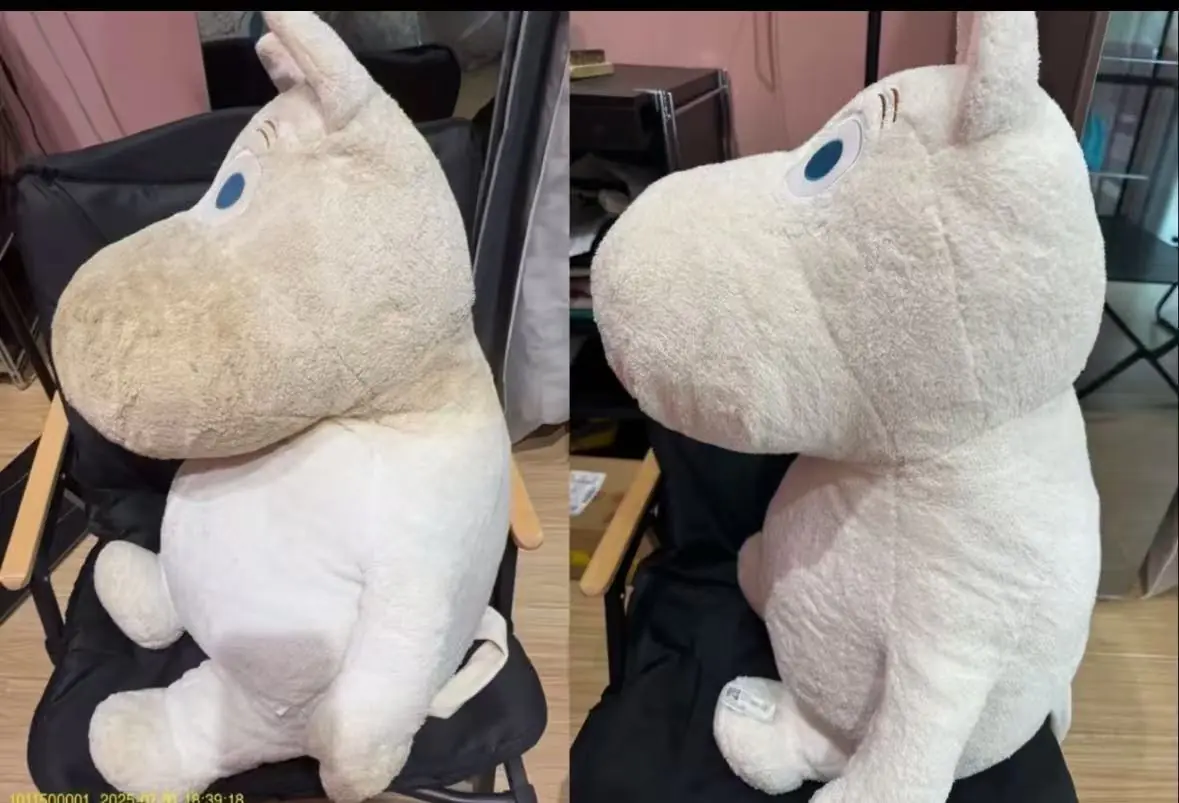
Stuffed animals are magnets for dust, dirt, allergens, and bacteria. Whether it’s your toddler’s bedtime buddy or a decorative collection piece, these cuddly friends need regular care. I’ve seen plush toys that looked fine on the outside but were harboring years of accumulated grime—not something you want near anyone’s face at night.
Check the Care Label First
This might seem obvious, but I can’t stress this enough: always read the care tag. I once ruined a beloved vintage teddy bear by ignoring the “surface wash only” instruction. Most modern plush toys will have labels indicating whether they’re machine washable, but antiques, toys with electronic components, or those with delicate decorations need special treatment.
Method 1: Machine Washing (For Washable Toys)
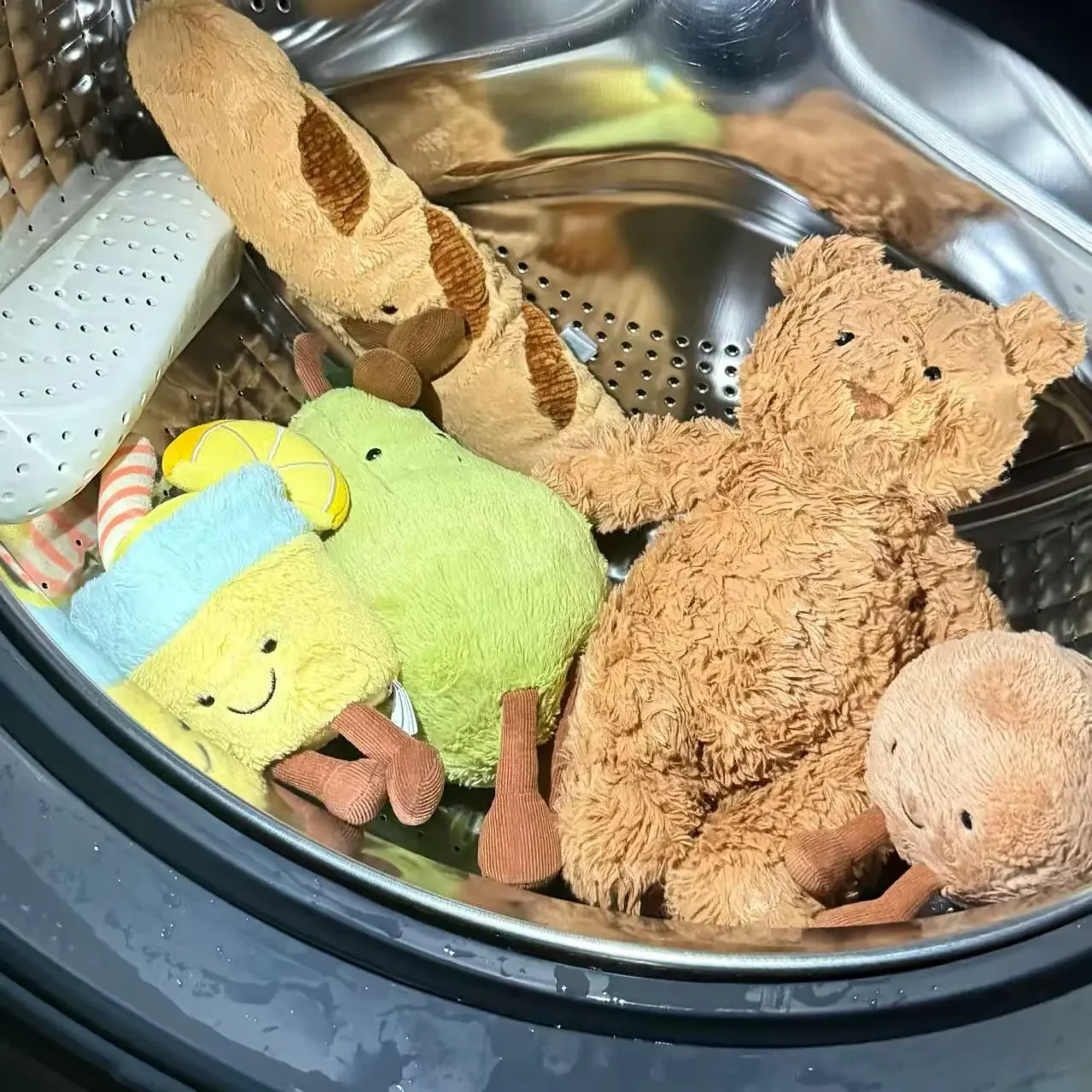
This is my go-to method for everyday stuffed animals that can handle it.
What you’ll need:
- Mesh laundry bag or pillowcase
- Mild detergent (I prefer fragrance-free for kids’ toys)
- Cold or lukewarm water
Steps:
- Place the plush toy inside a mesh bag or tied pillowcase to protect it
- Use the gentle/delicate cycle with cold water
- Add a small amount of mild detergent—less is more
- Skip the fabric softener (it can leave residue)
- Air dry completely—I usually set them in front of a fan or in indirect sunlight
Pro tip: For extra-dirty toys, I pre-treat stains with a paste of baking soda and water before washing.
Method 2: Hand Washing (My Preferred Method)
I actually prefer hand washing for most stuffed animals because it gives me more control and is gentler on the fabric.
Steps:
- Fill a basin with lukewarm water and a small squirt of mild detergent
- Submerge the toy and gently squeeze the soapy water through it
- Pay extra attention to heavily soiled areas, gently scrubbing with a soft brush
- Rinse thoroughly with clean water until no soap remains
- Gently squeeze out excess water (never wring or twist)
- Roll in a clean towel to absorb more moisture
- Air dry completely—this can take 1-2 days depending on size
Method 3: Surface Cleaning (For Delicate or Electronic Toys)
Some stuffed animals simply can’t get wet. Here’s what I do:
- Mix a small amount of mild detergent with water to create suds
- Use a damp cloth with just the suds (not soaking wet) to wipe the surface
- Spot clean stains with a soft brush
- Wipe with a clean, damp cloth to remove soap
- Pat dry with a towel and air dry
Method 4: Dry Cleaning at Home
For the baking soda method (great for refreshing between washes):
- Place the stuffed animal in a large plastic bag
- Add 1/2 to 1 cup of baking soda
- Seal and shake for 1-2 minutes
- Let sit for 15 minutes
- Remove and brush off the baking soda outside or over a trash can
- Vacuum any remaining powder with a brush attachment
Dealing with Stubborn Stains
I’ve battled everything from juice spills to mystery sticky spots. Here’s my stain-fighting arsenal:
- Ink or marker: Rubbing alcohol on a cotton swab, applied carefully
- Grease/oil: Sprinkle cornstarch, let sit for 30 minutes, brush off, then wash
- Food stains: Pre-treat with a paste of baking soda and water
- Mold/mildew: Mix equal parts white vinegar and water, spray lightly, let dry in sunlight
Drying Tips That Actually Work
Improper drying has caused me more heartache than dirty toys ever did. Here’s what I’ve learned:
- Never use a dryer unless the label specifically says it’s safe (heat can melt synthetic fibers and damage glue)
- Air drying is best: Set toys in a well-ventilated area
- Speed up drying: Use a fan pointed at the toy
- Fluff while drying: Periodically reshape and fluff the toy to prevent lumpy filling
- Sunlight works wonders: Natural UV light helps kill bacteria, but avoid prolonged exposure to prevent fading
Special Considerations
Electronic toys: Remove battery packs if possible and stick to surface cleaning only.
Antique or collectible plush: When in doubt, consult a professional. I learned this after accidentally felting a 1950s teddy bear.
Large stuffed animals: These can be challenging. I sometimes take oversized plush toys to a laundromat to use their large-capacity machines.
Toys with glued-on parts: Be extra gentle—water can loosen adhesive. Surface cleaning is usually safest.
Frequently Asked Questions
Can you wash stuffed animals with plastic pellets inside?
Yes, but with caution. I’ve successfully machine washed toys with poly pellets using a gentle cycle and mesh bag. The key is ensuring they dry completely—any moisture trapped inside can lead to mold. I usually give these extra drying time, sometimes 2-3 days, and periodically squeeze them to check for dampness.
How do you wash stuffed animals without ruining them?
The secret is in the preparation and patience. Always use cold water, gentle detergent, and a delicate cycle or hand washing. Never rush the drying process—air drying completely is crucial. I’ve found that most “ruining” happens during drying, not washing. Protect toys in mesh bags, avoid harsh chemicals, and when in doubt, test on a small hidden area first.
Can stuffed animals go in the dryer?
Generally, I avoid the dryer unless the care label explicitly says it’s safe. The heat can damage synthetic fabrics, melt plastic components, and cause shrinkage. If you must use a dryer, choose the air-only or lowest heat setting, use dryer balls to prevent clumping, and check frequently. But honestly, air drying has never let me down.
How often should you clean stuffed animals?
For toys that kids play with daily or sleep with, I aim for once a month. For decorative plush or less-frequently used toys, every 3-6 months is fine. Between deep cleans, I do weekly spot cleaning and use the baking soda refresh method. If someone in your home has allergies, more frequent cleaning (every 2 weeks) can help reduce allergen buildup.
My Maintenance Routine
I’ve developed a simple schedule that keeps things manageable:
- Weekly: Spot clean any visible dirt, air out toys outside
- Monthly: Deep clean frequently used toys
- Quarterly: Clean the entire stuffed animal collection in rotation
- As needed: Treat stains immediately, refresh with baking soda
Final Thoughts
Cleaning stuffed animals doesn’t have to be complicated. With the right approach, you can keep these beloved toys fresh, safe, and ready for countless more hugs. The key is being gentle, patient, and consistent. Trust me, seeing your child’s face light up when their favorite stuffed friend is clean and fluffy again makes every bit of effort worthwhile.
Sellers Union China has been providing professional sourcing and procurement services for over 15 years, connecting businesses worldwide with quality manufacturers in China. While we specialize in B2B sourcing solutions, we believe in sharing practical knowledge that helps everyone.

Ivy is a Sourcing Specialist at Sellers Union. She shares hands-on experience in supplier selection, quality control, and market trends to help global wholesalers make informed decisions. Her goal is to simplify the sourcing process and help brands build efficient supply chains in the industry.