





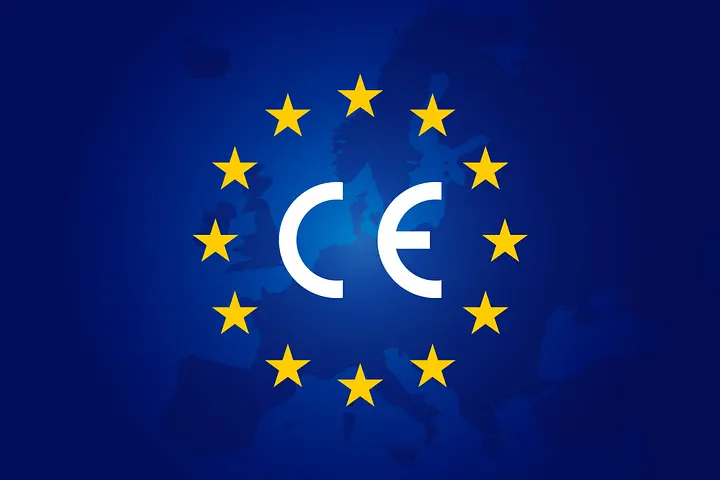
If you’re planning to sell or import products into the European Union, you’ve probably seen the Símbolo de la marca CE stamped onto packaging or products. It’s a simple-looking mark, but the meaning behind it is far from superficial. In fact, if you don’t fully understand what this symbol represents and whether your products need it, you could run into customs issues, shipment delays, or even legal trouble.
Let’s break it down so you can confidently navigate CE compliance without confusion.
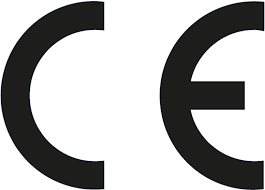
1. What Is the CE Mark Symbol?
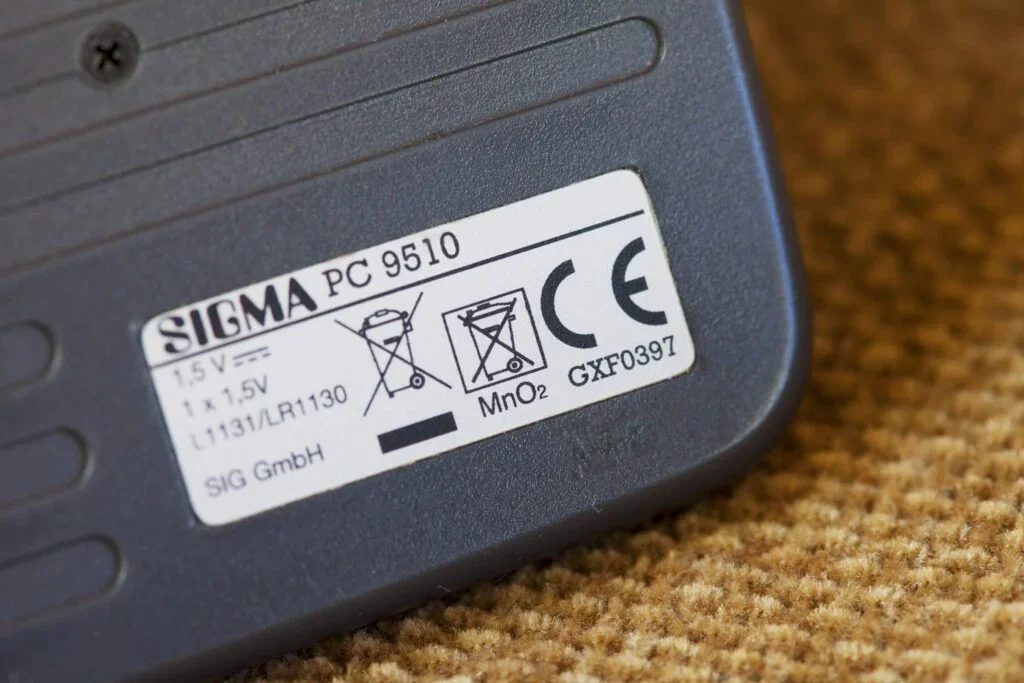
En CE mark stands for Conformité Européenne, which means “European Conformity.” When you see this symbol on a product, it indicates that the item complies with EU legislation on health, safety, and environmental protection. Think of it as your passport to doing business across Europe.
But here’s something crucial: The CE mark is not a quality mark. It doesn’t tell consumers your product is premium or luxurious—it simply confirms that it meets essential European safety requirements.
If you’re a manufacturer, importer, or distributor, using the CE mark also means you’re taking legal responsibility for your product’s compliance. It implies due diligence in testing, documentation, and labeling—and if you’re not compliant, the consequences are yours to bear.
2.Why Is the CE Mark Important?
From a business perspective, the CE mark symbol isn’t just about meeting regulations—it’s also about market access and credibility. If you want to export products to any of the 30 countries in the European Economic Area (EEA), this symbol is your ticket in.
More importantly, having CE-marked products can increase trust with overseas buyers and distributors. It signals that your product has been assessed to meet EU safety, health, and environmental protection requirements, and this reassurance often shortens decision cycles in B2B transactions.
It also prevents your goods from being held or rejected at customs checkpoints within Europe, which could cost you thousands in fees or lead to missed retail windows.
3. Is CE Marking Mandatory?
Not all products need the CE mark. But if your product falls under one of the 25+ CE-directive categories—such as electronics, toys, medical devices, or personal protective equipment—you’re legally obligated to comply.
Here’s a quick list of some product categories that require CE marking:
- Low-voltage electrical equipment
- Machinery
- Juguetes
- Construction products
- Radio equipment
- Battery for mortorcycle
- Pressure vessels
- Personal protective equipment (PPE)
- Medical devices
- Gas appliances
Even if your product is as simple as a plug adapter, or a toy for toddlers, it might fall under these directives. You need to verify the applicable EU directives and decide what conformity assessment route applies.
Note that some categories have overlapping requirements. For example, a smart home device might require both low-voltage and electromagnetic compatibility assessments. In these cases, ensuring full compliance requires extra care and expert review.
4. How to Obtain a CE Mark for Your Product
The process for obtaining a CE mark can feel intimidating, but once you understand the steps, it becomes manageable. Whether you’re a manufacturer looking to export or a buyer confirming a factory’s legitimacy, the framework is the same.
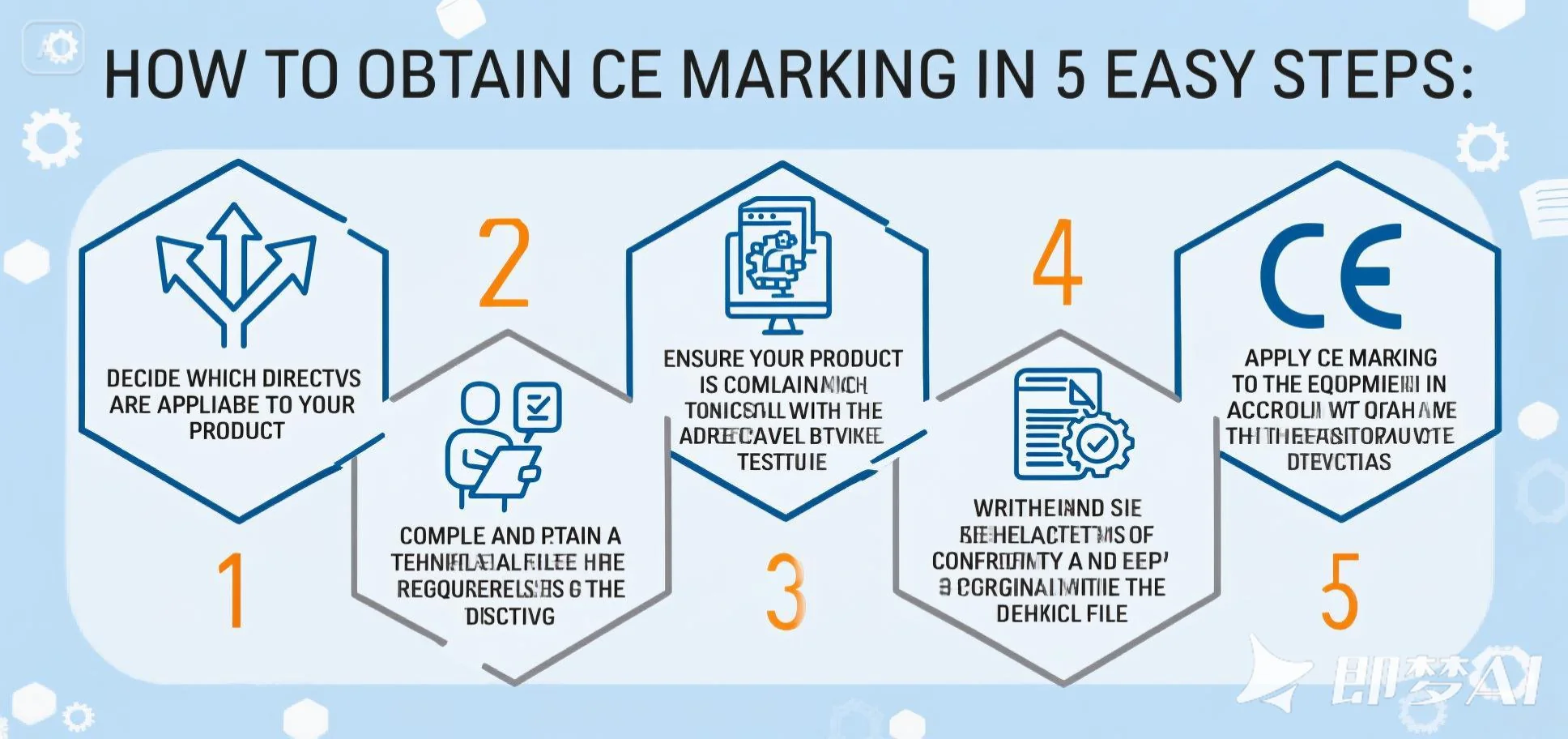
Step-by-Step Process:
- Identify applicable directives and harmonized standards that relate to your product.
- Test your product to ensure it complies with the essential health and safety requirements.
- Compile a technical file, including documentation like test reports, product specs, risk assessments, and user manuals.
- Sign the EU Declaration of Conformity, a legal document in which you take full responsibility.
- Affix the CE mark visibly on the product, packaging, or accompanying documents.
In many cases, you can complete this process through self-declaration. But for higher-risk products (e.g., medical devices, pressure equipment, or wireless transmitters), you’ll need a Notified Body (third-party agency) to audit and approve your compliance.
Tip: If your factory in China already holds ISO certifications or supplies big-box retailers, they may already comply with parts of CE testing protocols—saving you time and money.
5. How Much Does CE Certification Cost?
Let’s get to the question you’re probably wondering about: How much does it cost to get CE certified?
There’s no flat answer because the cost depends on the product category, the complexity of testing, and whether a third-party body is involved. That said, here’s a general breakdown:
- Self-declaration route: $300 to $1,200 (mainly for documentation, testing, and internal reviews)
- Notified Body involvement: $3,000 to $10,000+, depending on product complexity and audits
- Consultant services: Optional, but can range from $500 to $5,000 depending on support level and urgency
Additional costs may include translation fees (for multilingual user manuals), safety labeling, or redesign fees if your product fails testing.
The good news? For simple products like kitchen tools, household gadgets, or basic electrical accessories, costs are generally on the lower end—especially if your supplier already complies with international standards.

6. CE Mark Symbol vs. China Export: Don’t Get Fooled
One common pitfall is mistaking the CE mark for the “China Export” mark. They look nearly identical at first glance, but they’re entirely different in meaning.
- The official CE mark has a specific spacing between the C and E, governed by EU design standards.
- En China Export mark is not a compliance mark. It simply indicates that a product was manufactured in China and has no legal or safety significance in Europe.
As a buyer or seller, it’s essential to spot the difference to avoid accidentally dealing with non-compliant products that might be rejected at customs.
Include visuals to demonstrate the difference—this alone could help a buyer or importer avoid thousands in product rework costs.

7. Where and How to Place the CE Mark
You should place the CE mark on the product itself whenever possible. If that’s not feasible due to size or material, it can go on the packaging or accompanying documents. Just make sure it is:
- Clearly visible
- Easily legible
- Indelible (not easy to wear off)
Also, be aware of minimum size requirements and proportions. Improper use—like altering the proportions or adding additional marks—could make the CE invalid.
Incorrect or misleading use of the CE symbol can lead to serious consequences, including fines, product recalls, or bans on selling in the EU. If a local market surveillance authority finds your product out of spec, the resulting disruption could be far more expensive than getting certified in the first place.
8. What Happens If I Skip CE Marking?
This is a question some first-time exporters dare to ask—but the consequences are real:
- Your products may be seized at EU borders.
- You could be fined or sued by authorities or end users.
- Retailers may refuse to stock your goods.
- You risk losing access to one of the world’s largest consumer markets.
Ultimately, skipping CE compliance is short-term thinking that creates long-term risk.
FAQ About CE Marking
Do all products made in China need CE marking to enter the EU?
Only if they fall under one of the CE directives. Many consumer products do, especially electronics, toys, or personal care items.
Can I get CE marking for my product on my own?
Yes, if your product qualifies for the self-declaration route. But you still need full documentation and proof of compliance.
How long does the CE certification process take?
Anywhere from 1 week to 3 months, depending on complexity and whether a Notified Body is involved.
Do Amazon or European retailers require CE marking?
Yes. Most platforms will ask for proof, and sellers without it may have listings removed or shipments rejected.
Is CE marking accepted in the UK after Brexit?
The UK now uses the UKCA marking, but CE is still accepted for some product categories during a transition period. Check current UK guidance.
Reflexiones finales
En Símbolo de la marca CE isn’t just a label—it’s your proof that a product meets European legal requirements. If you’re planning to export from China or source products from a supplier, confirming CE compliance is a must.
Don’t leave this to chance. Even simple-looking items like USB chargers, scissors, or thermal mugs may fall under CE directives depending on their use or composition.
If you’re unsure about whether your product needs CE marking or how to get started, it’s smart to consult a professional or work with agente de compras partners who understand EU compliance standards.

Ivy is a Sourcing Specialist at Sellers Union. She shares hands-on experience in supplier selection, quality control, and market trends to help global wholesalers make informed decisions. Her goal is to simplify the sourcing process and help brands build efficient supply chains in the industry.