






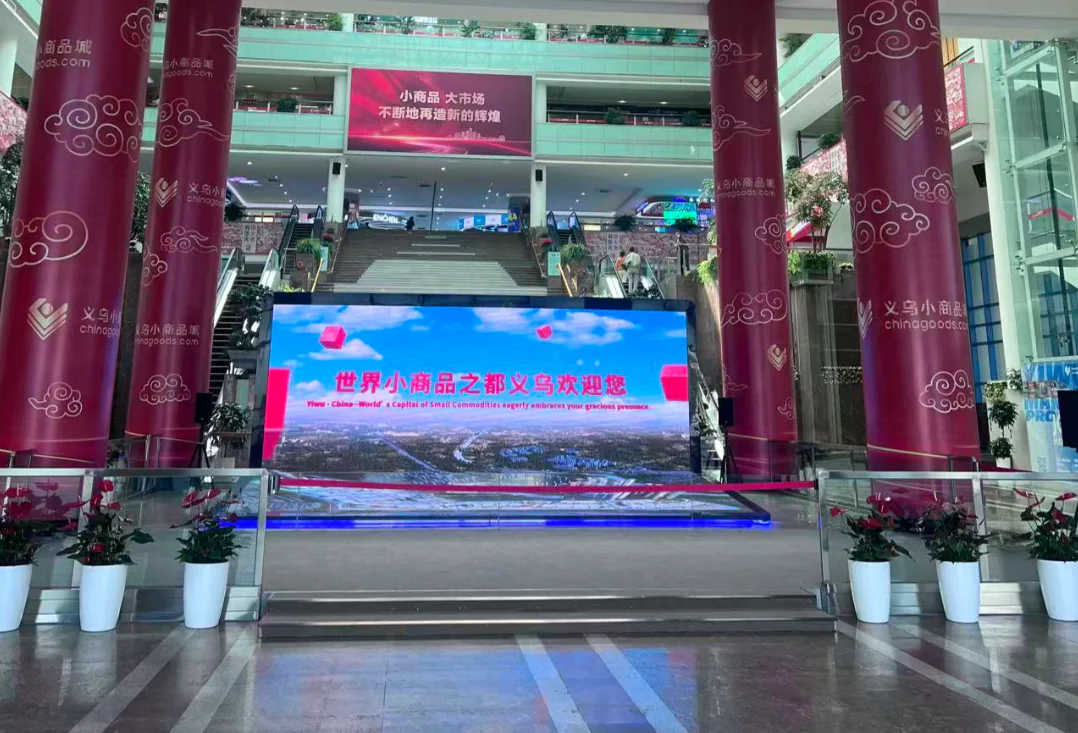
As a foreign trade professional focusing on the Russian market for years, I’ve witnessed countless Russian importers struggle with supply chain challenges when sourcing from China—unreliable suppliers, unclear logistics routes, cultural and language barriers, and even risks of delayed shipments or inconsistent product quality. Last year, we partnered with a Moscow-based importer specializing in consumer goods and home décor, helping them build a stable, efficient, and cost-effective supply chain rooted in Yiwu, China’s “World’s Small Commodity Capital.” Today, I’d like to share the entire process, key insights, and practical tips that made this collaboration a success—hoping it can guide more Russian importers looking to tap into China’s supply chain potential.
1. Understanding the Client’s Pain Points: The First Step to a Tailored Solution
Before diving into supply chain building, we spent 2 weeks communicating closely with our Russian client (let’s call them Alex, for privacy) to map out their core needs and pain points. Alex’s company had been importing from China for 3 years, but they faced two critical issues that hindered their growth:
- Unstable suppliers: They previously worked with 5+ random suppliers from different Chinese cities, leading to inconsistent product quality (e.g., varying material standards for home textiles) and frequent delivery delays—often missing peak sales seasons in Russia.
- High logistics costs and inefficiency: They relied on generic shipping routes, with no optimized customs clearance plan, resulting in long transit times (sometimes 45+ days from China to Moscow) and unexpected customs fees, eating into their profit margins.
Additionally, Alex’s team had limited Chinese language skills and no on-the-ground presence in China, making it hard to verify supplier credibility, negotiate prices, or resolve after-sales issues in a timely manner. Our goal was clear: to centralize their sourcing in Yiwu (where 80% of their desired products are available), streamline the supply chain, and eliminate these pain points.
2. Why Yiwu? The Perfect Hub for Russian Importers
When recommending Yiwu to Alex, we emphasized three core advantages that align perfectly with Russian market demands:
- Comprehensive product range: Yiwu’s small commodity market covers over 40 industries and 1.7 million products—from home décor, kitchenware, and textiles to toys, electronics, and festival supplies. This allowed Alex to source all their required goods from a single location, reducing coordination costs significantly.
- Competitive pricing and flexibility: Yiwu’s mature industrial cluster means lower production and procurement costs. Unlike other cities, Yiwu suppliers are accustomed to working with foreign importers, offering flexible MOQs (Minimum Order Quantities)—critical for Alex, who needed to test new products without overstocking.
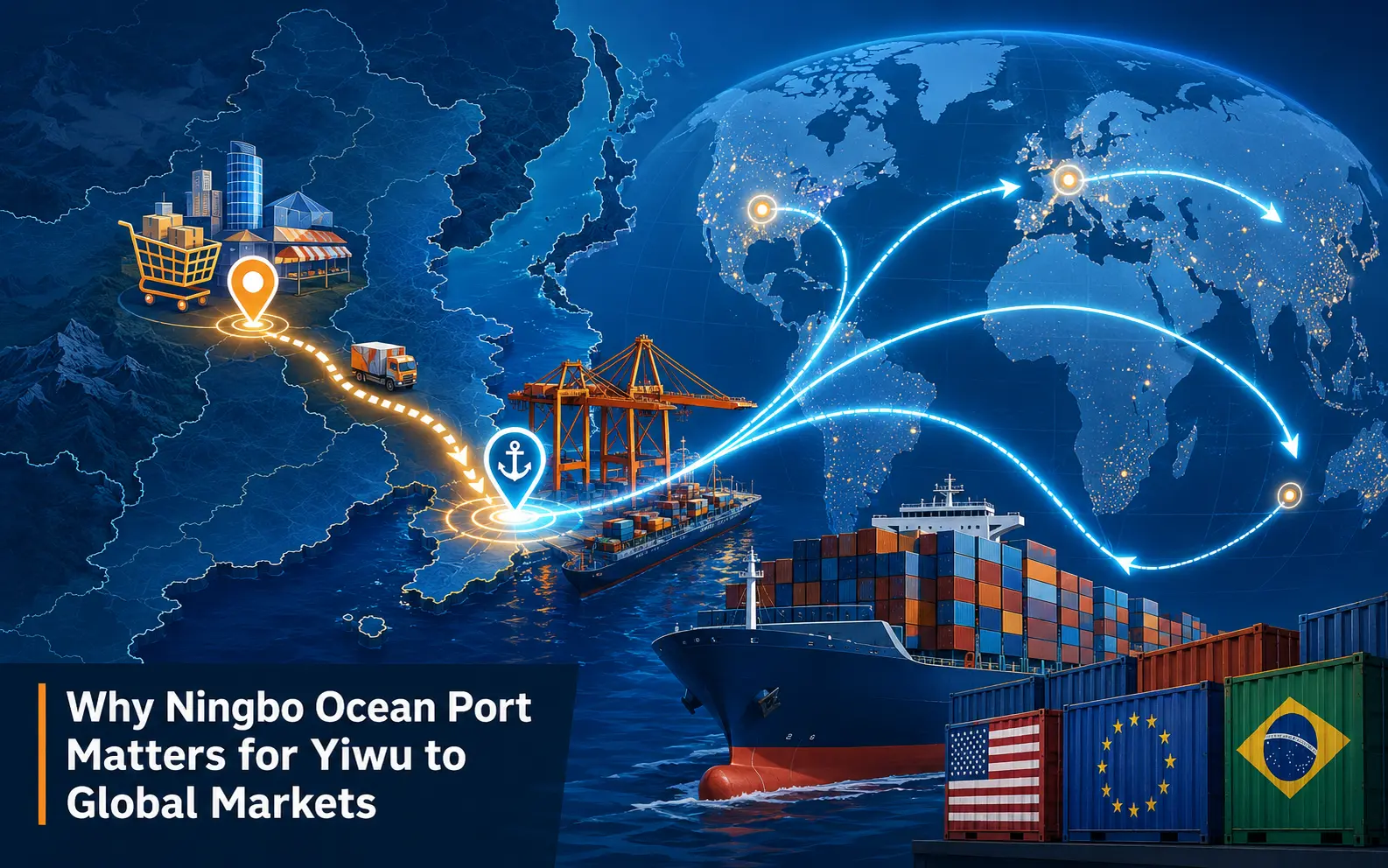
- Optimized logistics for Russia: Yiwu has established dedicated logistics routes to Russia, including rail (Yiwu-Europe Railway Express), air, and sea freight. The rail route, in particular, cuts transit time to 18-25 days (down from 45+ days Alex previously experienced) and offers stable customs clearance support for Russian-bound shipments.
3. Our Step-by-Step Process to Build the Stable Supply Chain
Building a supply chain is not about finding suppliers overnight—it’s about establishing long-term, mutually beneficial partnerships and optimizing every link. Here’s how we supported Alex:
Step 1: Supplier Screening and Verification (The Most Critical Link)
We leveraged our local network in Yiwu to screen 20+ potential suppliers matching Alex’s product categories. Our verification process included:
- On-site factory visits: We checked production facilities, quality control systems, and production capacity to ensure suppliers could meet Alex’s order volume and quality standards. We also verified their export experience—prior work with Russian clients was a key criterion, as it meant they understood Russian customs requirements and product preferences.
- Credential checks: We verified suppliers’ business licenses, export qualifications, and customer references to avoid scams or unreliable partners. For 3 top candidates, we arranged sample production and sent them to Alex for testing—ensuring the products met Russian safety standards (e.g., EU REACH compliance for textiles).
- Negotiation on terms: On Alex’s behalf, we negotiated pricing, payment terms (L/C at sight, which is trusted by both parties), delivery times, and after-sales policies (e.g., replacement for defective products).
In the end, we selected 3 core suppliers for Alex—each specializing in a different product category—ensuring diversification and avoiding over-reliance on a single supplier.
Step 2: Streamlining Order Management and Quality Control
To avoid the quality and delivery issues Alex faced before, we implemented a strict order management and QC process:
- Dedicated project manager: We assigned a bilingual (Chinese-Russian) project manager to coordinate between Alex’s team and the Yiwu suppliers. This manager was responsible for relaying order details, updating production progress, and resolving any communication gaps in real time.
- Pre-production and in-production QC: Before mass production, we confirmed pre-production samples with both Alex and the supplier. During production, we conducted random inspections to ensure consistency—for example, checking fabric thickness for textiles or product dimensions for kitchenware.
- Final inspection before shipment: We arranged a third-party QC company to conduct a 100% inspection of finished goods, verifying quantity, quality, packaging (to withstand long transit), and compliance with Russian labeling requirements (e.g., Russian language labels).
Step 3: Optimizing Logistics and Customs Clearance
Logistics is the backbone of a stable supply chain, especially for Russia-China trade. We worked with Yiwu’s top logistics companies specializing in Russian routes to design a customized plan for Alex:
- Route selection: We recommended the Yiwu-Europe Railway Express for bulk orders (18-25 days to Moscow) and air freight for small, high-value orders (7-10 days). This balanced cost and speed—critical for Alex to meet seasonal demand (e.g., Christmas and New Year’s home décor).
- Customs clearance support: We prepared all necessary documents (commercial invoice, packing list, certificate of origin, product safety reports) and worked with local customs brokers in both Yiwu and Moscow to ensure smooth clearance. This eliminated unexpected delays or fees—Alex’s shipments now clear customs in 2-3 days on average.
- Inventory management tips: We advised Alex to maintain a small safety stock in Yiwu’s bonded warehouse (available for most importers) to cover unexpected demand spikes, reducing the risk of stockouts in Russia.
Step 4: Long-Term Maintenance and Optimization
A stable supply chain is not a one-time project—it requires ongoing maintenance. We conduct monthly check-ins with Alex and the suppliers to:
- Review order fulfillment (on-time delivery rate, quality defect rate) and address any issues promptly (e.g., adjusting production schedules if Alex’s demand changes).
- Negotiate better terms as order volume increases—after 6 months of collaboration, we helped Alex secure a 5-8% price reduction from suppliers due to consistent order volume.
- Update on market trends: We share Yiwu market updates (e.g., new product launches, price fluctuations for raw materials) to help Alex stay competitive in the Russian market.
4. The Outcome: A Win-Win Collaboration
After 1 year of working together, Alex’s company has achieved remarkable results:
- On-time delivery rate increased from 65% to 98%.
- Logistics costs decreased by 20% thanks to optimized routes and customs clearance.
- Customer complaints about product quality dropped by 70%.
- Their annual import volume from China increased by 40%—they’ve even expanded their product line using Yiwu’s diverse supply base.
For us, this collaboration is more than just a business success—it’s proof that a well-designed, localized supply chain can bridge the gap between Moscow and Yiwu, helping Russian importers unlock China’s sourcing potential.
Final Thoughts for Russian Importers
Building a stable supply chain in China (especially in Yiwu) is not impossible—but it requires local expertise, careful planning, and a focus on long-term partnerships. As a foreign trade team specializing in the Russian market, we understand the unique challenges you face—language barriers, cultural differences, logistics complexities, and quality concerns.
If you’re a Russian importer looking to source from Yiwu, remember: the key is not to find the cheapest supplier, but the most reliable one; the goal is not to cut costs blindly, but to build efficiency. With the right support and a tailored strategy, you can turn Yiwu’s supply chain into your competitive advantage in the Russian market.
We’re here to help—feel free to reach out if you have any questions about sourcing from Yiwu or building your China supply chain. Let’s turn the distance between Moscow and Yiwu into an opportunity for growth!