







What is Low-Cost Country Sourcing?
Low-cost country sourcing (LCCS), also known as low cost country sourcing or sourcing from low cost countries, is a procurement strategy where companies source materials, components, or finished goods from countries with significantly lower labor, production, and operational costs compared to high-cost regions like the US, Europe, or Japan. Low cost country sourcing means leveraging global cost differentials to reduce expenses while maintaining quality.
China remains the world’s leading low-cost country sourcing destination, offering unmatched scale, infrastructure, and supplier networks in hubs like Yiwu, Ningbo, and Shantou.
Low Cost Country Sourcing Definition and Process
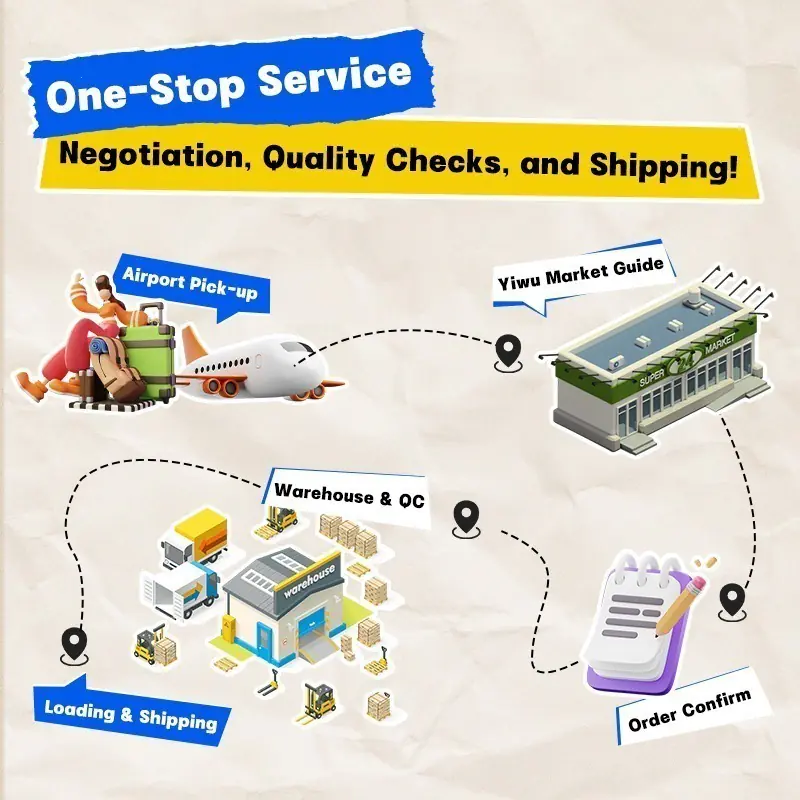
The low cost country sourcing definition focuses on strategic global procurement from low-wage, resource-rich nations. The low cost country sourcing process typically includes:
- Identifying suitable low cost sourcing countries
- Supplier evaluation
- Negotiation
- Quality control
- Logistics
At Sellers Union China, we simplify this low cost country sourcing process with end-to-end services: from factory sourcing and audits to consolidation, inspection, and export.
Top Low-Cost Sourcing Countries Comparison (2025)
| Criteria | China | Vietnam | India | Bangladesh | Mexico |
|---|---|---|---|---|---|
| Labor Cost (avg hourly) | $4–$8 | $2.5–$4.5 | $2–$5 | $0.8–$1.5 | $4–$7 |
| Infrastructure & Logistics | Excellent (world’s best ports, HSR) | Good & improving | Moderate (port congestion) | Improving but limited | Good (near US, USMCA benefits) |
| Manufacturing Maturity | Highest (full supply chain) | Growing (electronics, apparel) | Strong in textiles/IT | World leader in garments | Strong in auto/electronics |
| MOQ Flexibility | Very flexible (Yiwu small orders) | Medium | Medium-High | High | Medium |
| Lead Time (to Europe/US) | 25–45 days | 30–50 days | 35–60 days | 40–60 days | 7–20 days (to US) |
| Quality Consistency | High (with proper QC) | Good | Variable | Good in apparel | High |
| Political/IP Risk | Medium | Low | Medium | Medium | Low |
| Best For | Everything (toys, houseware, electronics, plastic utensils, GEP) | Apparel, furniture, electronics | Textiles, pharma, IT services | Ready-made garments | Auto parts, appliances (US market) |
Conclusion from 2025 data: China remains the undisputed leader for variety, speed, and total cost effectiveness in most categories.
Benefits of Low Cost Country Sourcing
Low cost country sourcing benefits and low cost country sourcing advantages include:
- 20–50% cost reductions on labor and materials
- Access to massive production capacity
- Faster scaling
- Competitive pricing for global markets
Additional low cost country sourcing benefits feature supply chain diversification and entry into emerging markets. Clients partnering with us in low cost country sourcing China often see higher margins on everyday items like household goods, toys, stationery, and kitchenware.
Advantages and Disadvantages of Low-Cost Country Sourcing
Advantages and disadvantages of low cost country sourcing must be balanced. Key low-cost country sourcing advantages and low-cost country sourcing disadvantages appear below:
| Aspect | Advantages | Disadvantages |
|---|---|---|
| Cost | Massive savings | Hidden fees (shipping, tariffs) |
| Quality & Scale | High-volume production | Potential inconsistencies without controls |
| Speed | Fast manufacturing | Longer lead times due to distance |
We minimize low-cost country sourcing disadvantages through rigorous factory vetting and on-site inspections.
Low Cost Country Sourcing Risks and Challenges
Common low cost country sourcing risks, low-cost country sourcing challenges, and problems of sourcing from low cost country include:
- Quality variability
- IP protection issues
- Supply chain disruptions
- Communication barriers
- Geopolitical risks
Challenges related to sourcing from low cost countries also involve longer shipping times and cultural differences. With 25+ years in China, Sellers Union mitigates these low cost country sourcing risks via local teams, legal safeguards, and contingency planning.
Low Cost Country Sourcing Trends in 2025
Low-cost country sourcing trends and low cost country sourcing trends show diversification (“China Plus One”) toward Vietnam and India, but China dominates for complex or high-volume items due to superior infrastructure. Sustainability, nearshoring, and digital procurement rise, yet low cost country sourcing China remains essential for cost-efficiency and speed-to-market.
Low Cost Country Sourcing Strategies and Success Strategies
Effective low cost country sourcing strategies and low cost country sourcing success strategies involve:
- Partnering with experienced low-cost country sourcing consultants or agents
- Total cost of ownership analysis
- Strong supplier relationships
Our proven low cost country sourcing strategy includes one-stop services from Yiwu market navigation to custom packaging.
Why Choose China for Low Cost Country Sourcing?
Low cost country sourcing China offers the best blend of low costs, vast supplier networks, and manufacturing expertise. As a top low cost country sourcing companies hub, China excels in categories like plastic utensils, toys, and general merchandise. Low cost country sourcing example: A European retailer sources kitchenware 35% cheaper via our Yiwu network.
Advantages of Partnering with Sellers Union for China Sourcing
Sellers Union China, established in 1997, is your premier low-cost country sourcing services provider in Yiwu and beyond. We deliver:
- Access to 1,000+ verified factories
- 10,000㎡ showrooms with 100,000+ items
- Full procurement low cost country sourcing support
- Quality control
- Logistics
- Customs clearance
We help avoid low cost country sourcing challenges while maximizing low cost country sourcing analysis benefits.
FAQ: Low-Cost Country Sourcing from China
What are the low cost country sourcing list of top countries?
China, Vietnam, India, Bangladesh, Mexico – China leads in variety and scale.
How to identify countries for low cost sourcing?
Evaluate labor costs, infrastructure, stability, and trade agreements. Use low cost country sourcing criteria like supplier maturity and logistics.
Should cost and low cost country sourcing be combined?
Yes – always calculate total landed cost, not just unit price.
What are the problems of sourcing from low cost country?
Quality risks, delays, and IP issues – all minimized with a trusted agent like us.
What is low-cost country sourcing?
It is a procurement method that reduces cost by buying from lower-cost manufacturing countries like China, Vietnam, and India.
Is China still the best low-cost country for sourcing?
Yes. China remains unmatched in supply chain depth, product diversity, and quality consistency.
What is the low-cost country sourcing process?
Supplier search → quotation → samples → negotiation → production → QC → shipping.
Do companies need a sourcing agent?
For most businesses, especially wholesalers, a sourcing agent significantly reduces risk and cost.
Ready to start sourcing from low cost countries with zero hassle? Contact Sellers Union China today for competitive quotes and expert guidance in low cost country sourcing jobs, trends, and strategies. Your profitable China procurement begins here!
Our core advantages:
- 27+ years experience, served clients from 140+ countries
- 1,000+ verified cooperative factories + daily access to Yiwu/Ningbo/Shantou markets
- 50,000㎡ warehouses & 10,000㎡ showrooms
- Professional QC team (300+ inspectors), AQL standard inspection
- One-stop service: sourcing → negotiation → order follow-up → quality control → consolidation → customs clearance → shipping
- Multilingual team (English, Spanish, French, Arabic, Russian, etc.)
- Free sourcing service (commission only on order value – transparent & fair)

Ivy is a Sourcing Specialist at Sellers Union. She shares hands-on experience in supplier selection, quality control, and market trends to help global wholesalers make informed decisions. Her goal is to simplify the sourcing process and help brands build efficient supply chains in the industry.