





In the world of business transactions, understanding how a purchase order works is fundamental to maintaining accurate financial records and smooth procurement processes. Whether you’re a small business owner, procurement manager, or finance professional, knowing the difference between a purchase order and an invoice can prevent costly mistakes. This comprehensive guide explains what is a purchase order, provides a clear purchase order definition, explores PO vs invoice comparisons, and shares best practices along with practical templates to streamline your purchasing system. By the end, you’ll have all the tools to create, manage, and optimize your purchase order process effectively.
1. What Is a Purchase Order?
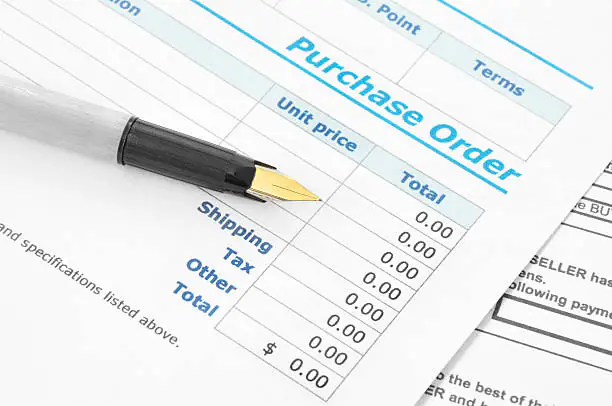
A purchase order (often abbreviated as PO) is a formal document issued by a buyer to a supplier, outlining the details of products or services the buyer intends to purchase. It includes information such as item descriptions, quantities, agreed prices, payment terms, and delivery schedules. Understanding what is a purchase order helps both parties establish a legally binding agreement before the transaction occurs.
In simple terms, the PO definition can be summarized as: a document that confirms the buyer’s intent to buy and the seller’s obligation to fulfill the order under agreed terms.
Key details typically included in a purchase order:
- Purchase order number (unique identifier)
- Buyer and seller contact information
- Description of goods or services
- Quantity and unit price
- Total amount
- Payment and shipping terms
- Signatures or digital approvals
2. The Importance of Purchase Orders in Business
Using a purchase order is more than just a formality. It serves as a critical control tool in managing expenditures, preventing fraud, and ensuring transparency in the procurement process. Businesses that implement a structured PO system can:
- Maintain accurate financial records
- Avoid duplicate or unauthorized purchases
- Streamline approval workflows
- Facilitate auditing and compliance
- Strengthen supplier relationships through clear communication
Without a proper PO, organizations risk confusion, miscommunication, and even disputes over what was agreed upon. This is why understanding what is a purchase order and using it consistently is a cornerstone of sound business operations.
3. Purchase Order Definition: Key Concepts Explained
The purchase order definition can vary slightly depending on the business context, but it always revolves around the same principle—it is a formal request to buy.
To put it in practical terms:
A purchase order is a buyer-generated document that authorizes a transaction and ensures both parties understand the scope, price, and terms before goods or services are exchanged.
Types of Purchase Orders
There are four main types of purchase orders used in business:
- Standard Purchase Order (SPO): Used for one-time purchases where details such as price and quantity are fixed.
- Blanket Purchase Order (BPO): Used for ongoing purchases over a period of time with variable quantities or delivery schedules.
- Contract Purchase Order (CPO): Serves as a long-term agreement outlining general terms without specifying exact quantities.
- Planned Purchase Order (PPO): Combines elements of both SPO and BPO, allowing flexible scheduling while keeping terms consistent.
Understanding these types allows companies to choose the right format for each business scenario.
4. PO vs Invoice: What’s the Difference?
The PO vs invoice comparison is one of the most commonly misunderstood topics in business accounting. Although both are essential documents in the purchasing process, they serve entirely different functions.
| Aspekt | Purchase Order (PO) | Invoice |
|---|---|---|
| Cel | Buyer’s request to purchase goods/services | Seller’s request for payment |
| Created by | Buyer | Seller |
| Timing | Before the transaction | After goods/services are delivered |
| Content | Describes what is being ordered | Describes what was delivered and the amount due |
| Legal Effect | Serves as a binding agreement once accepted | Acts as a payment demand and financial record |
The PO vs invoice distinction is crucial for accounting accuracy. A purchase order starts the transaction, while an invoice completes it.
5. How the Purchase Order Process Works
A well-structured purchase order process typically follows these key steps:
- Purchase Requisition: An internal document requesting approval to buy goods or services.
- PO Creation: Once approved, the buyer creates a purchase order detailing the required items.
- PO Approval: The purchase order is reviewed and authorized by management or finance.
- PO Dispatch: The PO is sent to the supplier for confirmation.
- Order Fulfillment: The supplier delivers the goods or services as per the PO.
- Invoice Issuance: The supplier sends an invoice referencing the PO number.
- Payment and Reconciliation: The buyer verifies the invoice against the PO and pays accordingly.
Automating this workflow using procurement software helps reduce manual errors and ensures a consistent approval chain.
6. Benefits of Using Purchase Orders
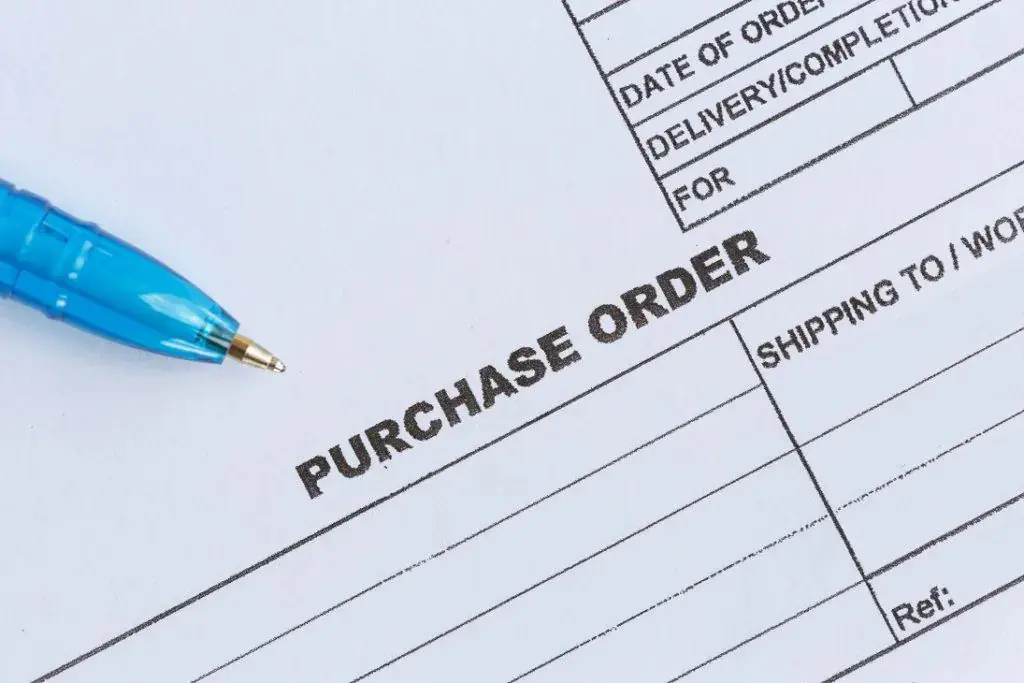
Implementing a purchase order system brings multiple advantages, especially for growing businesses that manage complex supply chains.
1. Financial Control: POs provide a paper trail that helps track spending against budgets.
2. Transparency: Clear documentation minimizes misunderstandings between buyers and suppliers.
3. Accountability: Both internal teams and external vendors are held accountable for the details outlined in the PO.
4. Legal Protection: A signed or approved PO serves as a legally binding document in case of disputes.
5. Efficiency: Automated PO systems speed up procurement and reduce approval bottlenecks.
When you understand what is a purchase order and implement it consistently, your business gains structure and reliability in financial management.
7. Common Mistakes to Avoid in Purchase Order Management
Even experienced professionals can make mistakes in managing purchase orders. Some common pitfalls include:
- Incomplete Information: Missing details like pricing or delivery terms can cause delays.
- Lack of Standardization: Different formats across departments lead to confusion.
- Failure to Match Invoices: Ignoring the PO vs invoice reconciliation step can result in overpayments.
- Poor Record-Keeping: Losing track of POs affects audits and financial accuracy.
- Ignoring Approval Protocols: Skipping internal reviews can lead to unauthorized purchases.
To avoid these issues, adopt standardized templates and approval workflows for every purchase order.
8. Purchase Order Templates: Examples and Best Practices
Creating a professional purchase order template ensures consistency across transactions. A typical PO template should include:
- Company name and contact details
- Supplier name and contact information
- PO number and issue date
- Item descriptions, quantities, and prices
- Payment and delivery terms
- Signature or digital approval fields
Best Practices for Using Purchase Order Templates:
- Use automation tools: Modern procurement software like SAP, QuickBooks, or Zoho can generate digital POs automatically.
- Keep templates customizable: Different departments may require variations of the same PO format.
- Ensure easy tracking: Assign unique PO numbers to monitor each transaction.
- Integrate with accounting systems: This ensures smooth synchronization with invoices and payments.
9. Digital Transformation: The Future of Purchase Orders
As businesses shift toward automation, digital POs are replacing traditional paper-based systems. E-POs (electronic purchase orders) streamline operations by allowing instant approval, tracking, and record-keeping.
Benefits of Digital Purchase Orders:
- Reduced paperwork and manual errors
- Faster approval and communication
- Centralized data storage for audits
- Integration with ERP and accounting systems
- Real-time budget monitoring
Understanding the evolution of PO vs invoice management in digital platforms can greatly improve your procurement efficiency.
10. Frequently Asked Questions (FAQ)
Q1: What is a purchase order and why is it important?
A PO is a formal document that confirms a buyer’s intent to buy specific goods or services under agreed terms. It helps ensure clarity, accountability, and accurate financial tracking.
Q2: How does a purchase order differ from an invoice?
The PO vs invoice distinction lies in timing and purpose. A PO is created before the purchase to authorize the order, while an invoice is issued afterward to request payment.
Q3: Do small businesses need purchase orders?
Yes. Even small companies benefit from using POs as they bring order and traceability to procurement, helping prevent overspending.
Q4: Can purchase orders be legally binding?
Yes. Once a supplier accepts a purchase order, it becomes a legally enforceable agreement.
11. Best Practices for Managing Purchase Orders
- Centralize Procurement Operations: Use a single platform to manage all purchase orders for better visibility.
- Automate Approvals: Implement software that routes POs to the right departments for instant review.
- Regular Audits: Periodically review purchase orders to identify discrepancies or inefficiencies.
- Integrate PO and Invoice Systems: This ensures seamless matching in the PO vs invoice proces.
- Train Staff: Ensure employees understand what is a purchase order and how to use it correctly.
By following these best practices, you’ll not only optimize efficiency but also reduce risks associated with mismanagement and fraud.
12. Conclusion
A purchase order is more than just a business document—it’s a powerful tool that brings structure, accountability, and transparency to every transaction. Understanding what is a purchase order, learning its role in the PO vs invoice process, and applying best practices ensures financial control and operational efficiency. By adopting standardized templates and leveraging digital tools, your business can streamline procurement, minimize errors, and foster better supplier relationships. Whether you’re defining your first purchase order or refining an existing system, this guide provides the foundation for building a professional, future-ready purchasing process.

Lyn Li jest Kierownik sprzedaży w Sellers Unionwiodąca chińska firma specjalizująca się w ogólne zaopatrzenie i eksport towarów. Dzięki wieloletniemu doświadczeniu w obsłudze globalnych hurtowników, sprzedawców detalicznych i sieci supermarketów, Lyn rozwinął dogłębne zrozumienie chińskiego rynku. łańcuch dostaw, sieć fabryk i trendy rynkowe.
Jej spostrzeżenia wypełniają lukę między zagranicznymi nabywcami a wiarygodnymi chińskimi dostawcami, pomagając firmom pozyskiwać produkty wysokiej jakości w sposób wydajny i opłacalny. W swoich artykułach Lyn dzieli się praktyczne wskazówki dotyczące zaopatrzenia, aktualizacje branżowe i rzeczywiste spostrzeżenia dotyczące zaopatrzenia aby pomóc czytelnikom podejmować mądrzejsze decyzje dotyczące zakupów w Chinach.