





Introduction: Welcome to the World’s Largest Wholesale Market
If you’ve ever searched for a place where you can source thousands of products from one location, Yiwu wholesale market is probably already on your radar. Located in the heart of Zhejiang Province, Yiwu Market is the largest commodities distribution hub in the world, attracting buyers from over 210 countries each year. Whether you’re a small business owner looking for trendy home goods, or a large importer sourcing toys, electronics, or jewelry in bulk, Yiwu China wholesale market offers unmatched variety, pricing, and convenience.
Yet for first-time visitors, the size and complexity of Yiwu market China can feel overwhelming. The maze-like structure of Futian Market (the main trading complex), the unique local business culture, and the logistical planning required all demand more than a casual walk-in. That’s why this complete guide to Yiwu wholesale market is tailored for international newcomers—buyers who want to navigate like a pro from day one.
In the sections ahead, you’ll learn:
- Why Yiwu international trade market is the go-to destination for global sourcing
- What kind of products and suppliers you’ll find in the different districts of Yiwu Futian Market
- When and how to plan your visit, with practical tips for agents, payments, and shipping
- Where to stay, eat, and explore while you’re in Yiwu city—including some local secrets tourists often miss
- How to build long-term supplier relationships with the help of a trusted Yiwu agent
Let’s begin your journey into one of the most fascinating and fast-moving trade ecosystems on the planet.
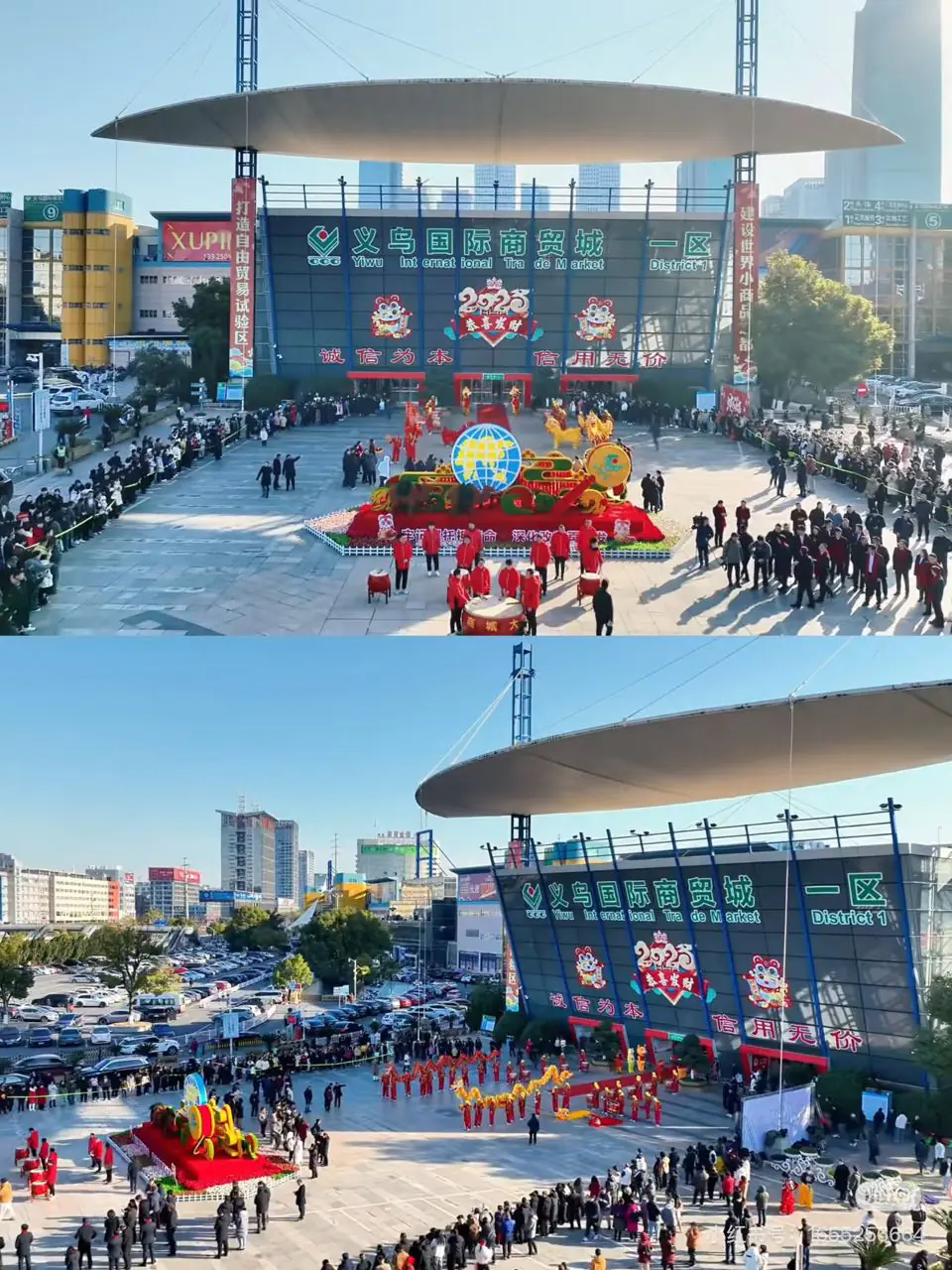
1. Why Yiwu Market Attracts Global Buyers
1.1 The Largest Wholesale Marketplace in China
Imagine a marketplace that stretches for over 5 million square meters, houses 75,000+ booths, and offers nearly every product category imaginable—from fashion accessories to hardware tools. That’s Yiwu International Trade Market, more commonly known as Futian Market.
What makes it unique is not just its size, but its hyper-specialization. Each district is organized by product category, making sourcing far more efficient than traditional fragmented wholesale zones. Unlike temporary trade fairs, Yiwu operates year-round, making it a permanent exhibition center for global trade.
Whether you’re placing a bulk order for kitchenware or just want to explore new trends in seasonal décor, you’ll find manufacturers, trading companies, and sourcing agents ready to assist.
1.2 Futian Market: A City Within a City
Located at the heart of Yiwu, Futian Market is divided into five distinct districts, each dedicated to specific product categories such as toys, jewelry, household goods, textiles, and electronics. Inside, you’ll find more than 400,000 types of goods, many of which are Made in Yiwu and exported directly to international markets.
A key reason global buyers prefer Yiwu over other markets is its low minimum order quantities (MOQs). This makes it ideal for small and medium-sized businesses who need flexibility without sacrificing price.
Moreover, the market has evolved to support foreign buyers with:
- Multilingual signage
- Foreign business service centers
- On-site export and customs assistance
- A growing number of sellers who understand international compliance standards
1.3 Why Yiwu Beats Guangzhou and Shenzhen for Many Importers
While Guangzhou and Shenzhen are well-known for electronics and large-scale manufacturing, Yiwu excels in daily consumer goods—items that sell fast and frequently in global B2B and retail markets.
Here’s why many importers prefer Yiwu:
- Greater product diversity across lifestyle categories
- Faster turnaround times thanks to a mature supply chain
- A high concentration of ready-stock suppliers, reducing lead time
- An ecosystem built for international sourcing, from sample handling to freight
For traders working in Amazon FBA, retail chains, dollar stores, or promotional product distribution, Yiwu offers an edge in both cost and convenience.
2. What You’ll Find Inside Yiwu Futian Market
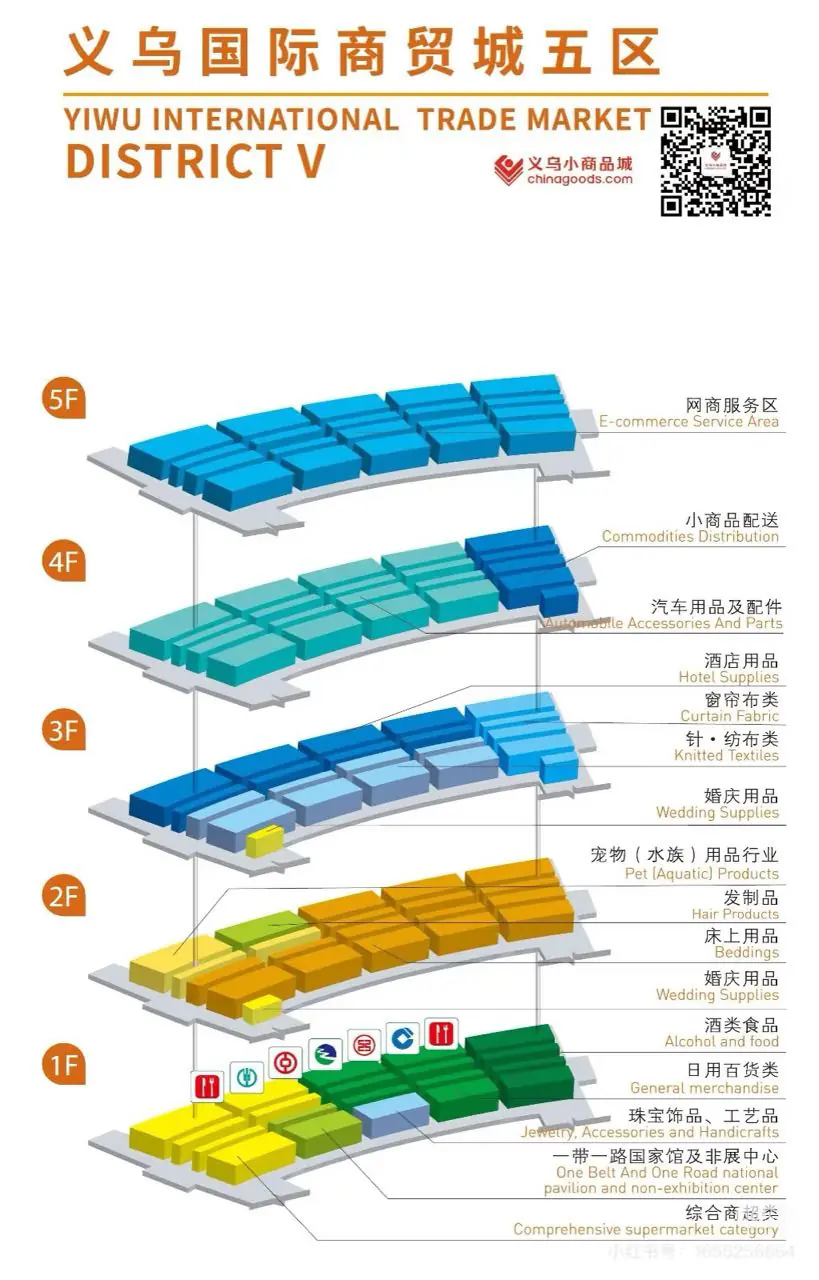
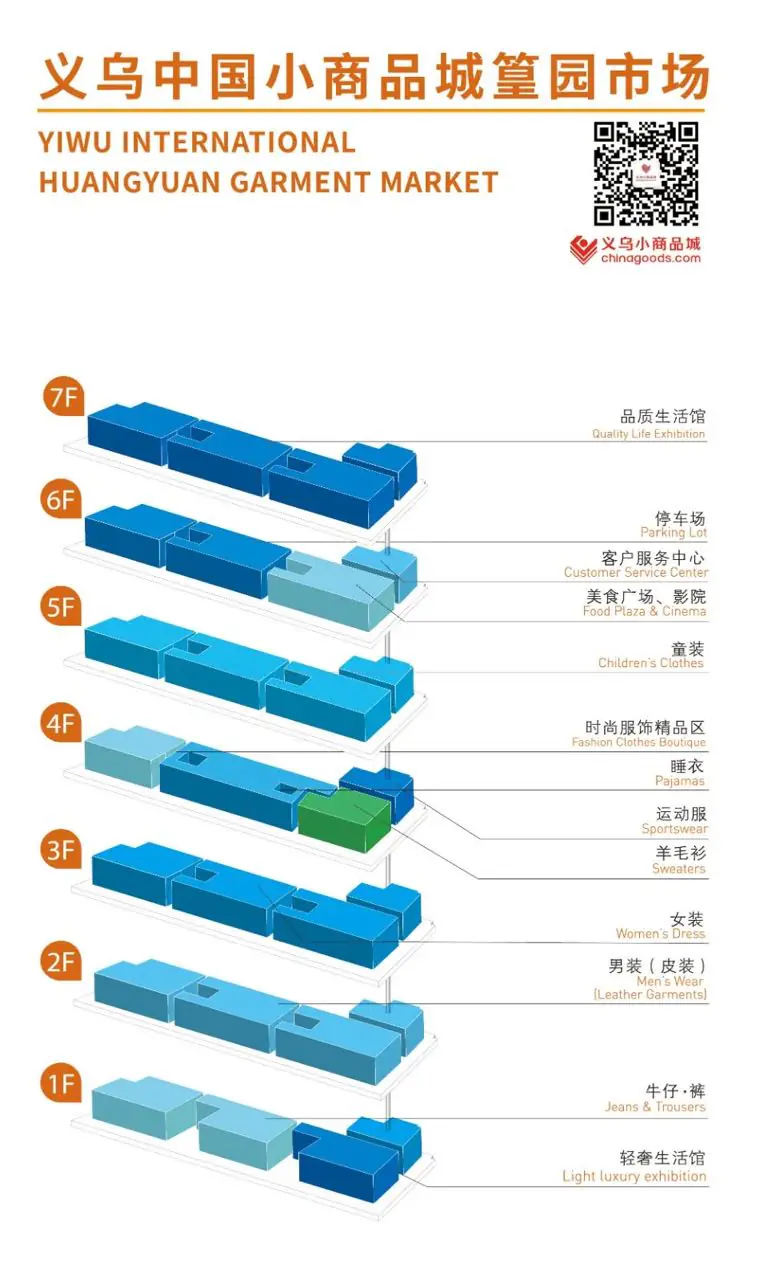
2.1 A Product-Zoned Marketplace Designed for Efficiency
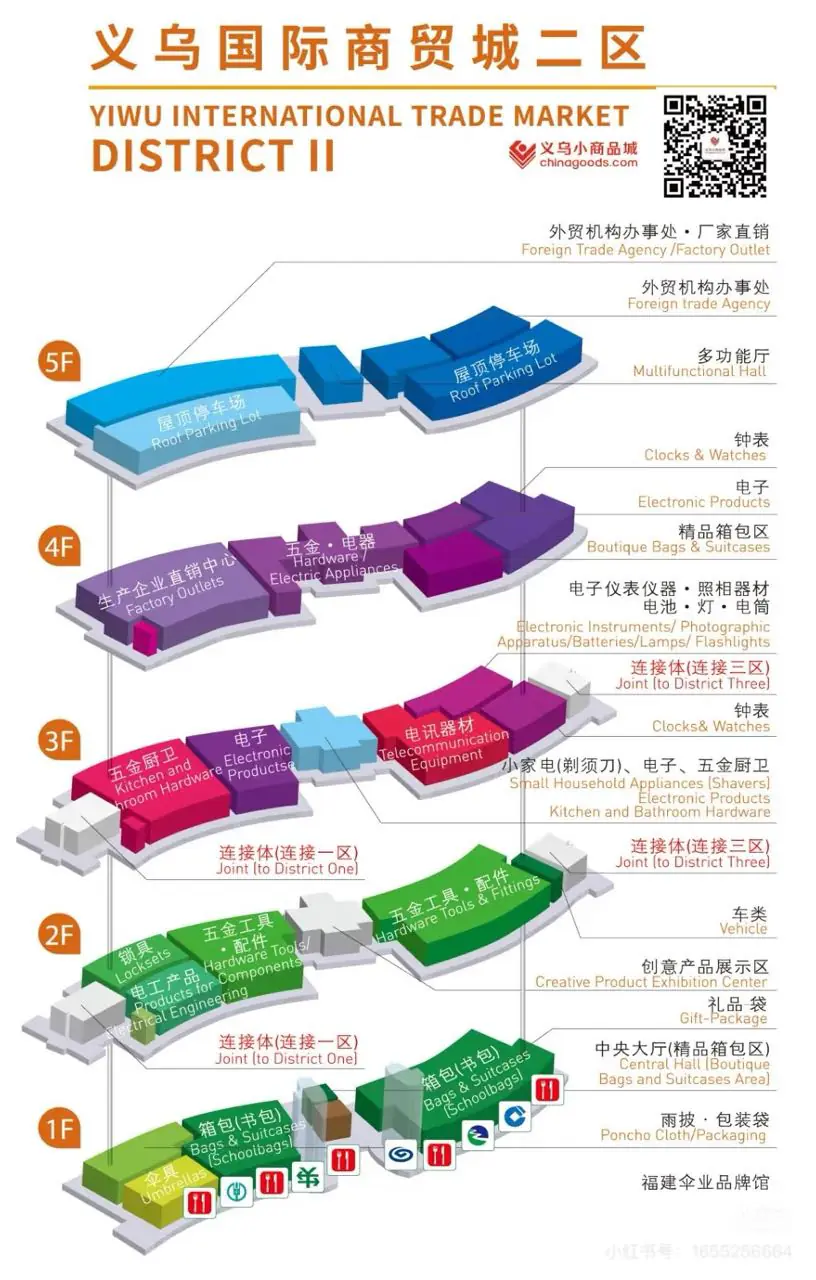
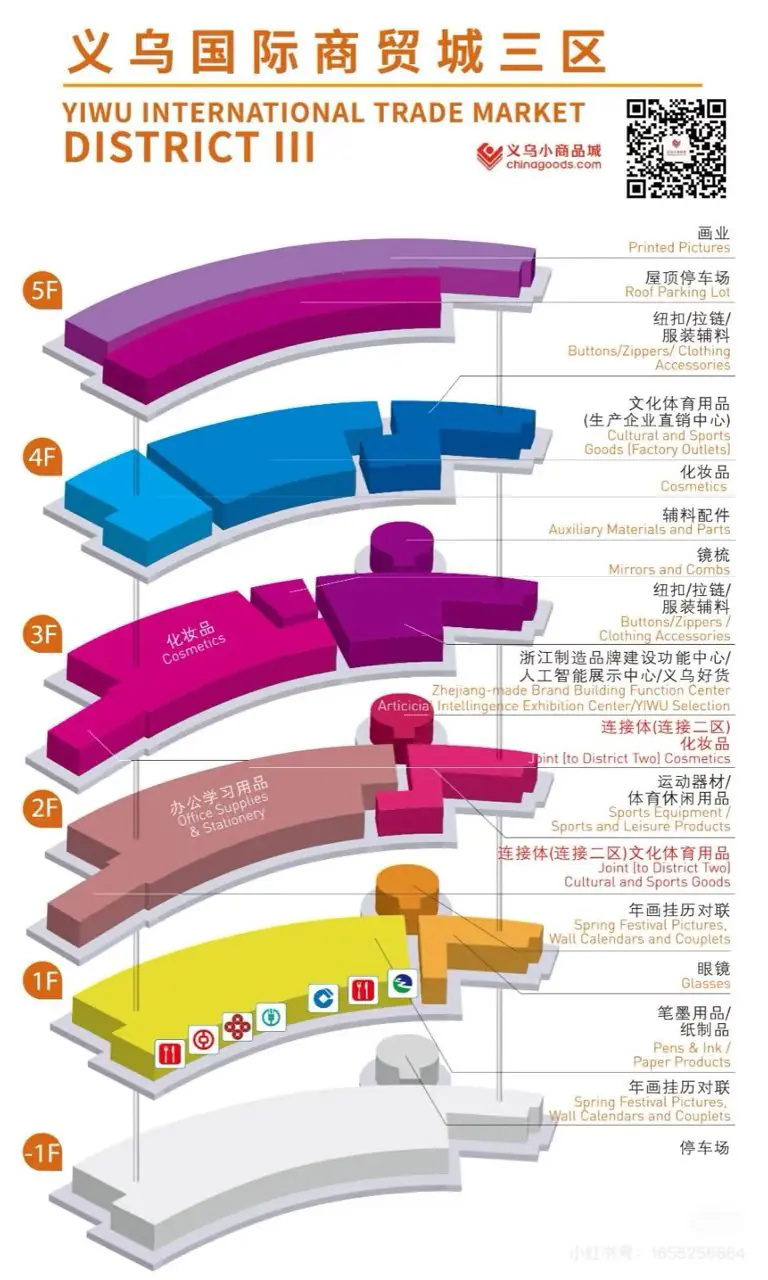
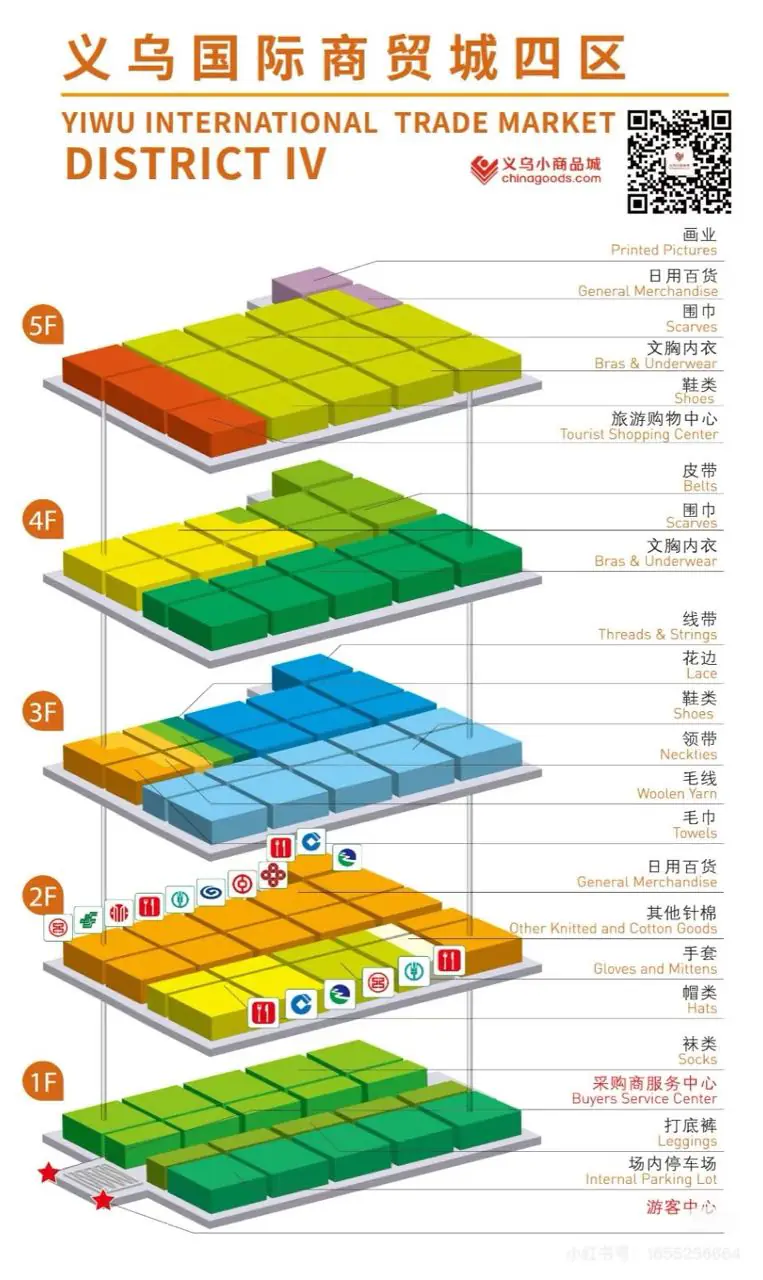
Unlike chaotic wholesale markets where vendors are scattered without order, Futian Market is carefully organized into five districts, each with designated product categories. This helps buyers avoid time-wasting detours and focus directly on relevant booths.
Here’s a quick breakdown of what each district specializes in:
- Dystrykt 1 – Artificial flowers, jewelry, toys, hair accessories
- Dystrykt 2 – Luggage & bags, hardware tools, electronics, watches, kitchenware
- Dystrykt 3 – Office supplies, sports goods, cosmetics, eyeglasses
- Dystrykt 4 – Shoes, textiles, auto accessories, daily-use chemicals
- Dystrykt 5 – Imported goods, bedding, home appliances, food & beverage
Each district has multiple floors. Typically, the first floor features small commodity suppliers, while upper floors host larger manufacturers and established brands.
If you’re visiting for the first time, consider focusing on two or three districts per day. The market is massive—trying to cover it all in one go will leave you exhausted and confused.
2.2 Best-Selling Product Categories for International Buyers
Yiwu is known for its volume-friendly consumer products—those that are lightweight, high in demand, and easy to ship. Some of the most frequently sourced items by overseas buyers include:
- Stationery & school supplies: low cost, high resale potential
- Fashion jewelry & accessories: updated designs with seasonal trends
- Home decor & storage: suitable for online retail and interior stores
- Toys & party supplies: popular among Amazon and dollar store sellers
- Kitchenware & tableware: wide variety, ready for branding
- Gift items: customizable and suitable for B2B promotional use
If you’re a first-time buyer, it’s wise to narrow your sourcing list and compare products across multiple booths. Ask for catalogs, take photos, and jot down booth numbers—you’ll need them later when following up or confirming samples.
2.3 Use Online Tools to Preview What’s Available
Not sure what to expect before you go? Platforms like Yiwugo.com or the Futian Market Online Portal offer a digital window into the physical market. You can:
- Browse vendor listings by product category
- View product photos and minimum order quantities
- Find basic company info, including location within the market
- Sometimes initiate chats or send inquiries directly
Though online platforms are helpful for pre-screening suppliers, they’re no substitute for in-person visits when it comes to evaluating product quality, pricing flexibility, and supplier reliability. Still, they’re great for narrowing down targets before stepping foot in Yiwu.
3. Planning Your Visit to Yiwu Market
3.1 Is Yiwu Market Open Every Day?
Yes—Yiwu Market is open 7 days a week, typically from 8:30 AM to 5:00 PM, including Sundays. The only exception is around Chinese New Year, when most of the market shuts down for 2–3 weeks as vendors return home for the holidays.
If you’re planning your first visit, avoid mid-January to mid-February, unless you’ve confirmed in advance that your target booths will remain open. The best times to visit are:
- March to May – Spring season with new product launches
- September to November – Peak sourcing season before the holidays
Weekdays are always better than weekends if you want full access to suppliers and less crowd congestion. And remember: some vendors leave early, so arrive at the market in the morning for maximum efficiency.
3.2 Trade Calendar & Seasonal Sourcing Tips
Although Yiwu doesn’t host large one-off trade fairs like Canton Fair, it functions as a permanent fairground. However, there are seasonal sourcing patterns you can benefit from:
- January – March: Many new designs are introduced for the new year.
- April – June: Great time to source spring/summer products.
- July – August: Slower period, but less crowded and easier for negotiation.
- September – November: Most active season for export orders.
- December: Good for last-minute deals and off-season inventory.
Additionally, Yiwu hosts the Yiwu International Commodities Fair every October. This is one of China’s top export-oriented trade events and may be worth attending if your travel aligns.
3.3 What to Pack and Prepare Before You Go
A successful trip to Yiwu begins long before you arrive. Here are a few essentials to get ready:
- Business cards: Bring at least 200. You’ll be handing them out constantly.
- Rolling suitcase or large backpack: To carry samples, brochures, and catalogs.
- Notebook or note-taking app: Record booth numbers, prices, MOQ, and lead times.
- Comfortable shoes: You’ll be walking for hours inside massive halls.
- Translation tools: While many vendors speak basic English, a translation app helps a lot.
- Currency: Bring some Chinese Yuan (RMB) in cash for food, taxis, or quick sample purchases.
If you’re traveling from abroad, don’t forget to check visa requirements well in advance. Most nationalities require a Chinese business (M) visa lub tourist (L) visa to enter China. You may need an invitation letter from a local sourcing agent or trade company to apply.
4. Choosing the Right Yiwu Sourcing Agent
4.1 What Does a Yiwu Sourcing Agent Actually Do?
A Yiwu sourcing agent is more than just a translator—they are your local partner in navigating the market, negotiating deals, managing orders, and ensuring products are delivered as promised.
Here’s what a reliable agent typically handles for you:
- Pre-market supplier matching based on your product needs
- Live interpretation and coordination during market visits
- Sample collection and consolidation after each day
- Quality inspection and follow-up with vendors post-visit
- Contract and payment supervision
- Logistics coordination, including customs, labeling, packaging, and freight
If you don’t speak Chinese or are short on time, having a sourcing agent can turn a chaotic trip into a productive sourcing mission.
4.2 Yiwu Agent vs Traditional Sourcing Agent: What’s the Difference?
There are two main types of sourcing agents you’ll encounter in China:
- Traditional sourcing agents: Typically work remotely, cover wide regions (e.g., Guangzhou, Shenzhen, Ningbo), and rely heavily on factory networks.
- Yiwu-based sourcing agents: Specialize in Futian Market navigation, often have warehouses near the market, and maintain close relationships with booth vendors and trade companies in the city.
The Yiwu model is faster and more hands-on. Many agents even have in-house staff to perform QC, photography, sample management, and even Amazon FBA prep services—all within a few kilometers of the market.
For first-time buyers sourcing multiple categories in one trip, a local Yiwu agent is usually more cost-efficient and flexible.
4.3 Signs of a Reliable Yiwu Trade Company
The Yiwu market is open to everyone—including bad actors. So how do you identify an agent or trade company that’s truly worth your trust?
Look for these signs:
Transparent service structure: Clear pricing, no hidden commissions from suppliers
Registered business license: Ask for company registration or import/export license
Warehouse with staff photos or videos: Proves they’re operational and not virtual
Fluent communication: Good English (or your preferred language) support
Responsive and proactive: They ask about your product specs, not just your money
Online presence: A website, social media, or client reviews are strong credibility indicators
Also, be cautious of individuals who claim to be “freelancer agents” without company support. While some are reliable, many lack the infrastructure to handle order consolidation, inspection, or shipping—putting your supply chain at risk.
If you’re still unsure, try a small trial order first to evaluate their speed, attention to detail, and communication style.
5. Step-by-Step: How to Source Products from Yiwu
5.1 Pre-Market Prep: Set Your Budget and Goals
Before you step foot into Yiwu Futian Market, you need a game plan. The market’s scale can quickly overwhelm anyone without a clear goal.
Here’s what to prepare:
- Define your product categories: Focus on 2–3 types per trip to stay efficient.
- Set a working budget: Include not only product cost but also agent fees, shipping, and inspection.
- Know your minimums: Understand the MOQ (Minimum Order Quantity) you’re willing to accept.
- Create a sourcing checklist: Include product specs, target price range, packaging requirements, and quality expectations.
Don’t forget to bring your brand logo files if you plan to do OEM or private labeling—many suppliers offer free or low-cost customization, especially if you’re placing larger orders.
5.2 Navigating Futian Market Efficiently
Once inside, your day moves fast. Here’s how to navigate with purpose:
- Start early: Most booths open at 8:30 AM. Vendors are fresher and more attentive in the morning.
- Bring a rolling bag or lightweight backpack: You’ll accumulate catalogs, samples, and brochures quickly.
- Record everything: Take photos of booths, products, and signs. Ask for booth numbers and WeChat contacts.
- Use a sourcing agent or translator: This isn’t just about language—many vendors quote better prices through trusted local partners.
- Don’t rush to order: Visit multiple booths for the same item. Prices and quality vary significantly.
Pro tip: Some booths display a price but will negotiate lower for larger quantities, especially if you express interest in repeat business.
5.3 Sampling, Negotiation, and Payment Terms
After you identify potential products, it’s time to discuss samples and business terms.
- Request samples on-site or have your agent collect them.
- Negotiate clearly: Confirm unit price, MOQ, production lead time, and payment method.
- Ask about customization: Many booths accept color/logo/packaging customization even for moderate quantities.
- Get a written agreement or quotation: Either on paper or via email/WeChat.
Common payment terms include:
- 30% deposit, 70% before shipment
- 100% upfront for smaller or sample orders
- Letter of Credit (for larger corporate buyers)
Always confirm whether prices include VAT, export cost, or domestic freight—some quotes are ex-factory, others FOB Ningbo or Shanghai.
5.4 Logistics and Shipping Tips
Once you’ve finished purchasing, you’ll need a plan to get your products home. Here’s how it typically works:
- Your sourcing agent consolidates goods from different booths at their warehouse.
- Quality inspection is performed—either basic visual checks or more advanced testing based on your request.
- Products are packed and labeled, especially if you’re shipping to Amazon FBA or a branded destination.
- Shipping options obejmują:
- Sea freight (cheapest for large volume, slowest)
- Air freight (faster, more expensive)
- Courier/Express (for samples or urgent goods)
Don’t forget about customs documents. Your agent should prepare:
- Commercial invoice
- Packing list
- Certificate of origin (if needed for tariffs)
- HS codes and product declarations
You may also need to handle import duties in your own country—consult your freight forwarder or customs broker before the goods leave China.
6. Common Questions from First-Time Yiwu Visitors
6.1 Can I Buy in Small Quantities from Yiwu Market?
Yes—but with conditions. While many booths in Rynek Yiwu cater to bulk buyers, some do allow small MOQ purchases, especially:
- For samples (1–5 pcs)
- If the item is in stock
- If you’re buying from trade companies rather than manufacturers
However, expect higher per-unit pricing for small orders. If you need lower MOQs across multiple products, it’s best to work through a Yiwu sourcing agent, who can consolidate and negotiate on your behalf.
6.2 Are Prices Fixed or Negotiable?
Prices are almost always negotiable, especially if:
- You’re buying larger quantities
- You plan to reorder regularly
- You’re sourcing multiple items from the same supplier
That said, unlike traditional street markets, Yiwu vendors usually quote semi-fixed wholesale prices, not inflated prices for tourists. Still, don’t hesitate to ask for better terms—including free samples, better packaging, or payment flexibility.
6.3 What If I Don’t Speak Chinese? Can I Still Shop Effectively?
Yes—but you’ll face limitations. While some booth staff speak basic English, many don’t. Here’s how to prepare:
- Skorzystaj z usług agenta zaopatrzenia or local interpreter
- Bring a translation app (like Pleco or Google Translate)
- Prepare printed cards with your product requirements in Chinese
- Request catalogs with photos and specs for easier communication
Your overall experience and final results will be much smoother if you have a bilingual partner supporting you.
6.4 Can I Visit Yiwu Market Without a Business License?
Yes. Yiwu Market is open to the public, and you don’t need a registered business to walk in or browse booths. However, for:
- Large orders
- Custom packaging
- Freight forwarding
…suppliers will often request your company details or a agent zaopatrzenia to manage the paperwork.
If you’re visiting purely for research or early-stage sourcing, feel free to explore and collect information without making purchases.
6.5 Do Suppliers in Yiwu Offer Product Compliance Support (CE, FDA, etc.)?
Some do, especially vendors with export experience. Common certifications requested by foreign buyers include:
- CE Mark(for EU market)
- FDA lub LFGB (for food-contact products)
- RoHS, REACH, ISO, etc.
However, many booths sell generic products that don’t come with documentation by default. You’ll need to:
- Request compliance certificates in advance
- Pay extra for third-party testing if needed
- Work with your sourcing agent to verify supplier claims
This is especially important if you sell through platforms like Amazon, where compliance failure can lead to penalties or bans.
7. Insider Tips: Maximize Your Yiwu Sourcing Experience
7.1 Must-Have Tools and Apps for Smarter Navigation
Yiwu Market is huge—and chaotic if you’re unprepared. These tools will help you stay focused, organized, and mobile:
- Maps: Use the official Yiwu Market App or Baidu Maps (in English mode) to find specific districts and booth numbers.
- Translation: Download Google Translate (with offline Chinese pack) and Pleco Dictionary for quick lookups.
- WeChat: Almost all suppliers use WeChat for real-time communication, sending videos, quotations, and location pins.
- Note-taking apps: Apps like Evernote, Notion, or even phone photos can help organize booth visits by district and product.
- QR code scanner: Many booths display product links or catalog downloads via QR codes—scan and save for later review.
Staying organized isn’t just about convenience—it directly affects how well you can follow up and turn samples into shipments after the trip.
7.2 Build Long-Term Relationships, Not Just One-Time Deals
While Yiwu is perfect for quick buys, the real value lies in long-term supplier partnerships. Here’s how to build trust:
- Show commitment: Return visits, consistent communication, and feedback go a long way.
- Place small trial orders first: Test product quality, delivery time, and service before scaling up.
- Be clear with expectations: Whether it’s packaging, branding, or compliance, clarify everything upfront.
- Offer predictability: Suppliers prioritize repeat customers with clear reorder cycles and stable payment habits.
If your sourcing agent is managing vendor relations, ensure they’re keeping records of supplier performance over time. Some agents even develop supplier scorecards to optimize future purchasing.
7.3 How to Avoid Scams and Low-Quality Goods
Yiwu is relatively safe for buyers, but it’s still a free trade environment, and not every booth operates with long-term integrity. Here’s how to protect yourself:
- Never pay full upfront unless you trust the vendor or work through an agent with safeguards.
- Request samples for every product you’re interested in, even if the MOQ is low.
- Don’t assume booth size equals quality—some of the best suppliers operate from modest stalls.
- Look for certificates, but verify them. Anyone can show a PDF; real factories can prove it.
- Avoid cash deals. Always use traceable payments (bank transfer, PayPal, etc.) or route payments via your agent.
Most importantly, always inspect your goods before shipment. Either visit the warehouse in person or ask your agent to perform a detailed quality check with photos and documentation.
8. Life & Exploration: Experiencing Another Side of Yiwu
8.1 Dining: A Diverse Culinary Adventure
While Yiwu is famed for commerce, its dining scene offers a rich blend of flavors reflecting its international character:
- Authentic Chinese Cuisine: Don’t miss Zhejiang’s fresh and light flavors, alongside popular Sichuan spicy dishes and Cantonese dim sum.
- Halal and Middle Eastern Food: Yiwu hosts a significant Muslim community. You can find numerous halal restaurants serving Middle Eastern, South Asian, and Central Asian dishes.
- International Flavors: Korean BBQ, Japanese sushi bars, Thai eateries, and Western-style cafes can all be found, especially near the Binwang Commercial Area oraz Chouzhou North Road.
- Street Food & Local Snacks: Try Jianbing (savory crepes), stinky tofu, and freshly made dumplings from street vendors for a quick taste of local life.
8.2 Shopping Beyond Wholesale
When you need a break from wholesale chaos, Yiwu offers plenty of retail options:
- Shopping Malls: New City Wuyue Plaza and Yiwu Heart Mall are favorites for fashion, electronics, and entertainment.
- Supermarkets: Imported goods supermarkets cater to expatriates and locals, stocking everything from imported snacks to international beverages.
- Local Specialty Shops: From tea houses to traditional crafts, explore shops selling Zhejiang specialties as souvenirs or gifts.
8.3 Culture and Leisure
Explore Yiwu’s rich history and natural beauty:
- Jilong Pavilion: Climb this historic tower for panoramic views of Yiwu city, especially beautiful at night.
- Fotang Ancient Town: A nearby water town offering peaceful canals, traditional architecture, and local crafts.
- Yiwu Museum: Learn about Yiwu’s transformation from a small county to the world’s small commodity trading center.
- Luobinwang Park: Named after the Tang Dynasty poet Luobinwang, a pleasant green space for walking and relaxation.
- Meihu Sports Center and Surrounding Parks: Ideal for jogging, biking, or unwinding after long sourcing days.

Explore more travel guide at Yiwu on The China Journey.
8.4 International Community
Yiwu is truly a global village:
- Diverse Expat Population: Middle Eastern, South Asian, African, and European communities thrive here, contributing to a multicultural environment.
- Religious Centers: Numerous mosques, churches, and temples support the spiritual needs of the international residents.
- International Schools and Events: Some schools cater to expat families, and community events often celebrate multicultural festivals and holidays.
8.5 Short Trips for Weekend Exploration
If you have extra time, consider these nearby destinations:
- Hangzhou (about 2 hours by high-speed train): Famous for the picturesque West Lake, Lingyin Temple, and lush tea plantations.
- Hengdian World Studios (around 1.5 hours away): The largest film studio complex in China, offering immersive sets and cultural experiences.
Wnioski
Visiting and sourcing from Yiwu wholesale market can be a game-changer for your business if you come prepared and know what to expect. From the vast, well-organized Futian Market to the rich local culture and supportive sourcing agents, Yiwu offers a unique blend of opportunity and experience for global buyers.
Remember to plan your visit carefully, set clear sourcing goals, and leverage the expertise of trusted Yiwu agents to navigate the market efficiently. Don’t forget to explore Yiwu beyond business hours — the city’s diverse cuisine, cultural sites, and international community can turn your trip into a truly memorable adventure.

Ivy is a Sourcing Specialist at Sellers Union. She shares hands-on experience in supplier selection, quality control, and market trends to help global wholesalers make informed decisions. Her goal is to simplify the sourcing process and help brands build efficient supply chains in the industry.