







When you see so many models online, choosing a juicer can feel confusing. Some are affordable, while others cost much more. If you plan to get a juicer, this simple guide will help you understand what to look for.
1. Sort Out Your Needs
Before buying, ask yourself a few questions:
- Are you planning to juice leafy greens like spinach or kale?
- Do you prefer quick convenience or higher juice quality?
- Is noise level important in your home?
- What is your budget?
Your answers will guide your decision. For example, if you juice leafy greens, you may want a high juice yield machine. If you care more about nutrition, you may prefer a cold press machine.
2. Cold Press Juicer vs Regular Juicer
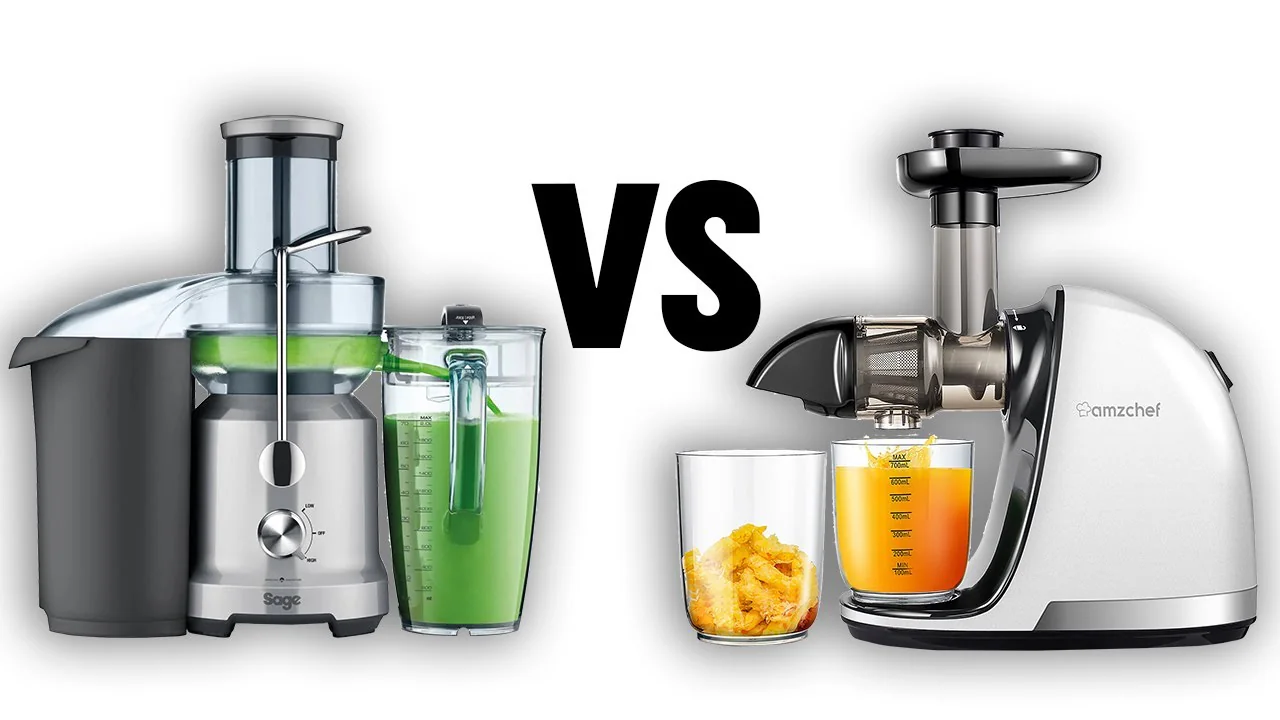
One of the most common comparisons is cold press juicer vs regular juicer.
Regular Juicer (Centrifugal Juicer)
A regular juicer, also called a centrifugal juicer, works at high speed. It uses fast-spinning blades to cut fruits and vegetables and extract juice from the pulp.
Pros:
- Usually more affordable
- Juices faster
Cons:
- Juice may oxidize faster
- Not ideal for leafy greens
Cold Press Juicer (Masticating Juicer)
A cold press juicer crushes and presses fruits and vegetables to extract juice. Because it uses low speed, it produces less heat.
Pros:
- Higher juice yield
- Can juice leafy greens and wheatgrass
- Juice stays fresh longer
- Usually quieter
Cons:
- May take longer to juice
Lower heat and slower extraction help preserve nutrition and maintain a clean taste. If nutrition is your priority, a cold press juicer is often the better choice.
3. Feed Chute Size
The feed chute is the opening where you insert fruits and vegetables. A wider chute saves time because you do not need to cut ingredients into small pieces. If convenience matters to you, look for a juicer with a large feed chute.
4. Motor Power
Motor quality is important for long-term performance.
- Higher wattage (for high-speed spinning)
- Strong torque (for crushing tough produce)
The higher the quality, the better the performance. If you plan to juice frequently, investing in a reliable motor is important.
5. Noise Level
If you live in an apartment or like to make juice early in the morning, noise matters. A quieter machine can be more comfortable for everyone in the household.
6. Cleaning Process
Some people stop juicing because cleaning feels like too much work. Before buying, check:
- How many parts need to be cleaned
- Whether the parts are dishwasher safe
- If a cleaning brush is included
Choosing a user-friendly design can make a big difference in daily use.
7. Types of Produce You Juice Most
Different juicers handle ingredients differently. If you mostly juice:
- Celery
- Leafy greens (kale, spinach)
- Soft fruits (berries, oranges)
A cold press juicer usually performs better. Think about your favorite recipes before deciding.
8. Kitchen Space
Make sure the juicer fits your kitchen. Check the height, especially if you plan to store it under cabinets.
Considerações finais
Choosing a juicer does not have to be complicated. Think about what you value most—speed, nutrition, or quiet operation. The best juicer is the one you will use consistently.

Ivy is a Sourcing Specialist at Sellers Union. She shares hands-on experience in supplier selection, quality control, and market trends to help global wholesalers make informed decisions. Her goal is to simplify the sourcing process and help brands build efficient supply chains in the industry.