





1. Why China Is the Global Epicenter for Sourcing Mixed Homeware Containers
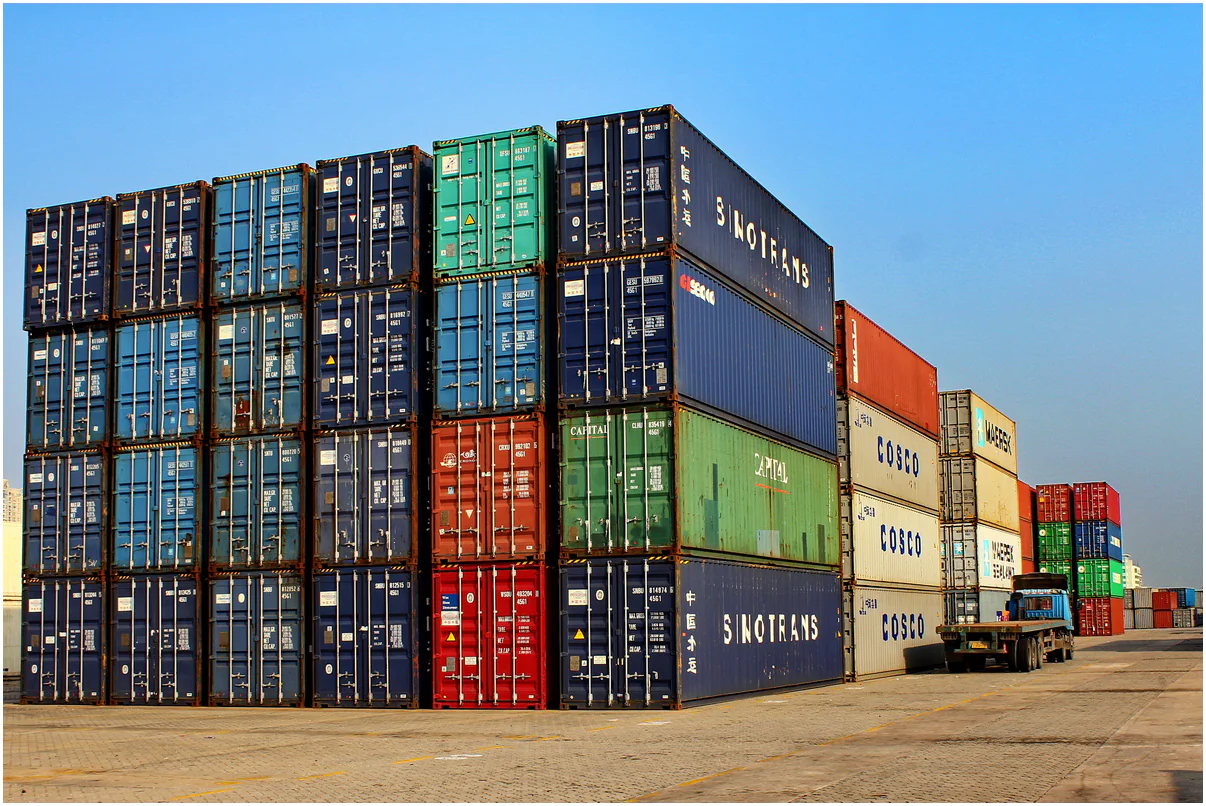
China continues to dominate as the world’s foremost hub for sourcing homeware products, supplying a substantial portion of global demand across wholesale and retail channelsFrom ceramics and kitchen tools to decorative accents and storage essentials, China offers an unparalleled range of homeware products. Its manufacturing ecosystem, supported by tens of thousands of specialized factories, enables businesses worldwide to confidently import a container from China with the variety and volume they need. With a mature supply chain, cost-effective production, and a vast network of export-ready suppliers, China remains the strategic choice for importers seeking variety, reliability, and competitive margins in mixed homeware products.
Among the most compelling trends in recent years is the rise of mixed container shipments—a practical solution for buyers who demand variety without excessive volume per SKU. Retailers, wholesalers, dollar store chains, lifestyle boutiques, and e-commerce players alike now seek to import household goods from China in consolidated containers packed with multiple product types. This approach offers a competitive edge in both SKU diversity и inventory flexibility, particularly for seasonal, trend-sensitive markets.
This guide delivers actionable insights to streamline the process of container shipping from China, especially when dealing with mixed homeware products. From product selection and supplier management to quality checks and customs compliance, the article walks you through the nuances of importing household goods from China in a cost-efficient, risk-minimized manner.
2. Why Importing a Container from China Makes Sense for Homeware Buyers
There are compelling financial and operational reasons why businesses across continents choose to import a container from China when sourcing homeware goods.
2.1 Cost-Efficiency at Scale
One of the strongest incentives is the reduced per-unit shipping cost when placing a bulk order from China. Container rates are typically fixed by volume or weight, so filling a 20ft or 40ft container yields substantial savings compared to multiple small shipments. Importers can leverage this model to reduce the landed cost per SKU, directly boosting profit margins.
2.2 Enormous Product Variety
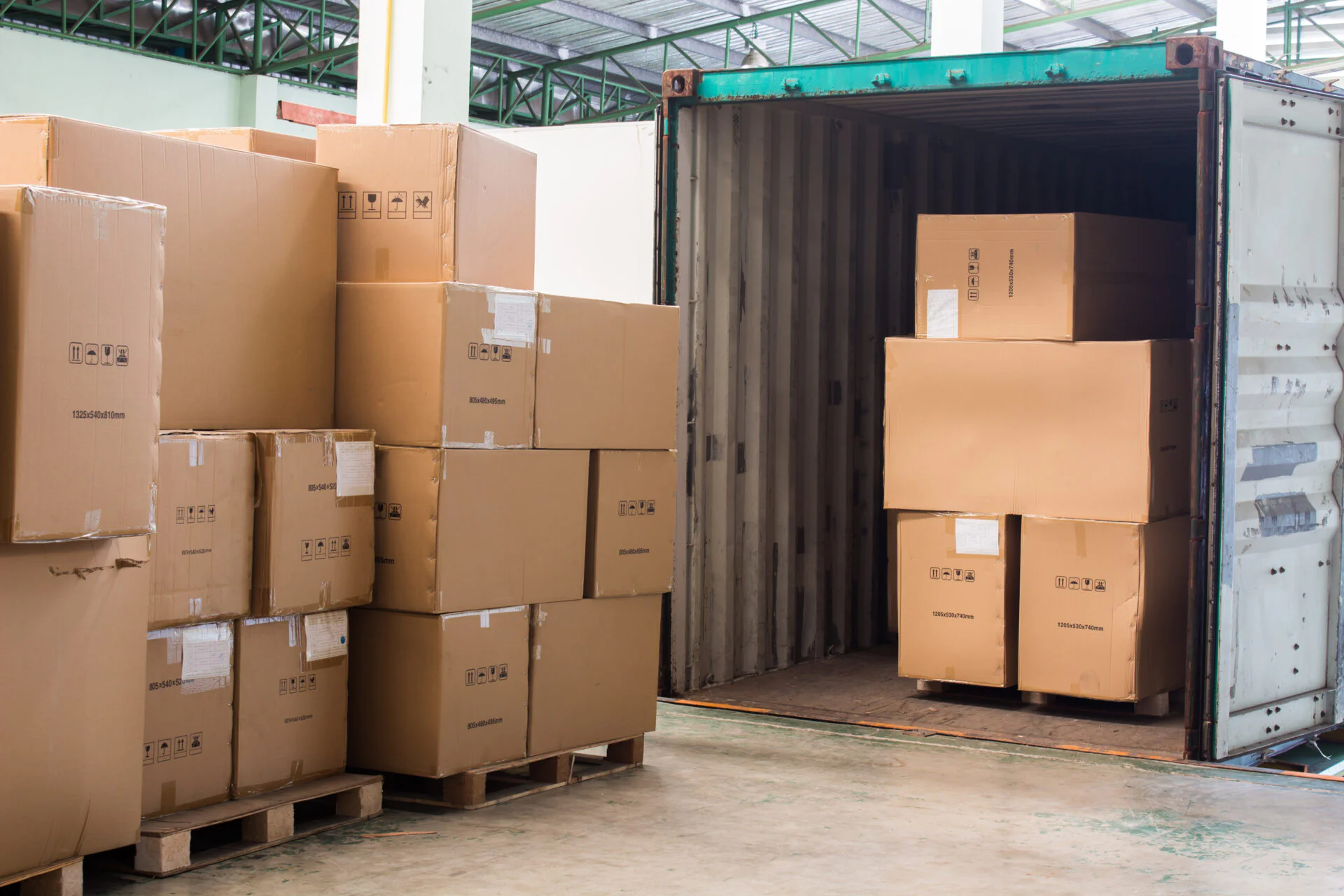
Chinese suppliers offer tens of thousands of SKUs, from utility-centric items like plastic storage bins to aesthetic products like ceramic diffusers or macramé wall hangings. A single mixed container shipment can include products from 20–40 different suppliers when coordinated properly, ideal for stores needing broad assortment without bloated inventories.
2.3 Suitable for Retail Formats Requiring Variety
This model is tailor-made for gift shops, home décor outlets, lifestyle concept stores, and even supermarket chains that need to display a rich range of homeware products. Whether selling private label candle holders or OEM-branded kitchen tools, variety boosts appeal.
2.4 Support from Sourcing Agents
Given the complexity of consolidating items from multiple factories, a reputable China sourcing agent becomes an indispensable ally. These professionals orchestrate supplier vetting, MOQ negotiation, QC coordination, and container loading—ensuring your mixed homeware products arrive intact, labeled, and on time.
3. Five Key Factors to Consider When You Import a Container from China
3.1 Product Category and Compatibility
The first step is curating a compatible product mix. Mixed homeware products should be selected not only based on consumer demand but also on logistical harmony.
Popular items include:
- Cotton cushion covers (lightweight, compressible)
- Wooden or MDF photo frames
- Stackable plastic organizers
- Small ceramic aroma diffusers
- Metal wire baskets
Consider size uniformity and fragility classification when planning. Mixing breakables with heavy goods may increase the need for compartmentalized palletization or extra bubble wrapping, affecting volume efficiency and cost.
3.2 Full Container Load (FCL) vs. Less than Container Load (LCL)
Deciding between FCL vs. LCL depends on your purchasing scale and SKU strategy.
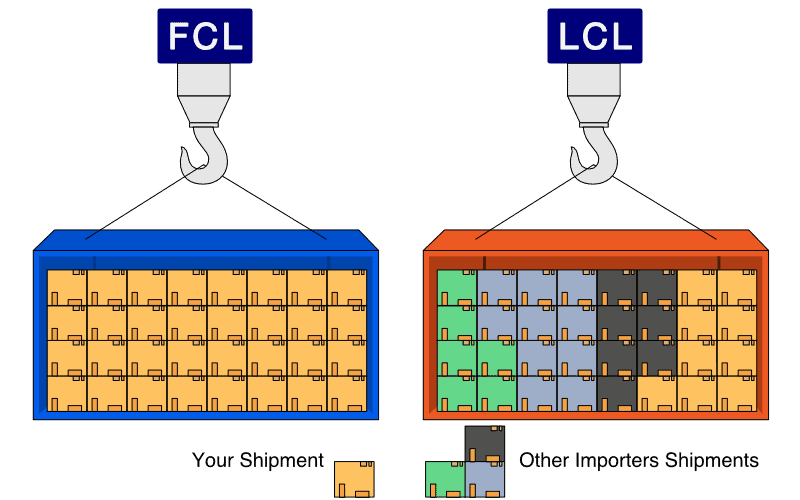
- FCL (Full Container Load): Offers better control, lower risk of damage, and cost-efficient container shipping from China when fully utilized. Recommended for large orders or buyers with established logistics flow.
- LCL (Less than Container Load): Suitable for trial runs or small MOQ homeware supplier collaboration. But it introduces higher per CBM costs and handling risks, especially if your goods are mixed with unrelated cargo at consolidation hubs.
Furthermore, LCL shipments often face delays in customs clearance and increased scrutiny due to multiple consignees on the manifest.
3.3 Supplier Coordination and MOQ Negotiation
One of the biggest hurdles in importing household goods from China is MOQ inconsistency. Many Chinese suppliers demand MOQ thresholds of 500–1,000 units per SKU, making it impractical for importers seeking SKU-rich but volume-light shipments.
This is where a China sourcing agent proves critical. These professionals bundle orders from various buyers or negotiate special mixed container terms with a pre-vetted vendor network, enabling bulk orders across product lines without violating MOQs.
3.4 Logistics and Shipping Cost Management
Effective logistics planning directly impacts margins when you import a container from China.
Key considerations:
- Port of origin: Ningbo, Yiwu, Shenzhen, and Qingdao are major export hubs for homeware products. Choose based on proximity to your suppliers.
- Container booking and loading times: Delays at origin can snowball into shipping bottlenecks.
- Shipping seasonality: Avoid Chinese New Year and peak Q3 months unless prepared to pay premium rates.
3.5 Quality Control and Pre-Shipment Inspection
In mixed container shipments, quality variance across vendors is inevitable. A 5% defect rate from just two out of 20 suppliers can result in dozens of unsellable items and returns.
To ensure shipment integrity:
- Hire third-party QC teams or rely on your sourcing agent to perform pre-shipment inspections.
- Implement AQL sampling procedures for high-risk categories like ceramics, glassware, or electronics.
- Request inspection reports and photographic proof before the container is sealed.
4. Procurement Challenges in Importing Mixed Containers (and How to Solve Them)
4.1 Inconsistent Carton Sizes or Labeling
Different suppliers have different packaging standards. This can cause inefficient container loading or customs issues.
🔹 Solution: Work with a агент по поиску поставщиков to enforce standardized packaging protocols, including unified carton dimensions, labeling, and barcodes.
4.2 Delivery Schedule Mismatch
One vendor delivers early, another delays by two weeks. This disrupts consolidation schedules and may lead to missed booking slots.
🔹 Solution: Use a central consolidation warehouse in China. The agent holds early arrivals, synchronizes final assembly, and handles dispatch timing with the freight forwarder.
4.3 MOQ Conflict Across Small SKUs
Retailers often need 30+ items per container, with only 100–200 units each. Suppliers are reluctant to fulfill such small batches individually.
🔹 Solution: Сайт agent negotiates a combined MOQ deal, spreading the order volume across their supplier ecosystem while maintaining per-SKU diversity.
4.4 Customs Risk from Undeclared Product Types
Incorrect HS code assignments or non-disclosed product types invite penalties or seizure at destination ports.
🔹 Solution: Conduct pre-customs documentation checks with your agent. Ensure HS codes match product descriptions and licensing is in place for regulated categories.
5. How a Агент по поиску поставщиков Simplifies Mixed Homeware Container Imports

A professional China sourcing agent transforms a complicated import task into a smooth, repeatable process. Their expertise is especially crucial when managing dozens of SKUs from multiple suppliers.
Advantages include:
- Centralized communication: No more chasing 20 different suppliers in varied time zones.
- Consolidation services: Agents handle QC, unified packaging, palletization, and labeling in one facility.
- Private label and OEM setup: Agents assist in developing custom packaging, translating compliance labels, and attaching store-specific branding.
- Document management: From packing lists to bill of lading, they ensure full documentation meets both China and destination country requirements.
Example:
A U.S. home decor chain recently imported over 30 SKUs—ranging from velvet throw pillow covers to wicker storage baskets—in a single 40ft FCL. The sourcing agent coordinated 14 factories, executed two rounds of inspection, and completed all customs declarations. Result: zero delays, 99.3% sell-through rate in the first 60 days.
6. Ready to Import a Container from China with Homeware Goods?
Position your business at the forefront of retail innovation by sourcing trend-forward mixed homeware products directly from China. Whether you’re preparing for a seasonal launch, restocking ahead of peak demand, or exploring new private label collections, now is the ideal time to import a container from China. Our sourcing team can provide tailored quotations, full SKU catalog access, and clear container loading timelines—ensuring your procurement process stays fast, cost-effective, and fully aligned with your inventory goals.

Ivy is a Sourcing Specialist at Sellers Union. She shares hands-on experience in supplier selection, quality control, and market trends to help global wholesalers make informed decisions. Her goal is to simplify the sourcing process and help brands build efficient supply chains in the industry.