




Visitors have plenty to carry around a trade show. A useful giveaway can earn a pause, but the item itself will not tell you whether the right buyers stopped. That takes a conversation and a follow-up plan.
We decide how the giveaway will be used before choosing the product. It might draw people in, support a product discussion, or give a qualified buyer something useful to take away. The ideas below start with that job.

Key Takeaways
- Use broad-reach, conversation, and qualified-meeting giveaways as separate tiers
- Connect the item to a short, useful interaction rather than handing it out without context
- Measure qualified conversations, agreed next steps, and total delivered cost alongside booth stops
- Approve the decorated sample, packaging, carton data, and event delivery plan before production
How do you choose trade show giveaway ideas?
We plan giveaways in tiers. Keep a simple handout near the aisle, save relevant samples for product conversations, and reserve larger kits for booked or qualified meetings. That way the item and order quantity fit the job it needs to do.
Write down your target visitor, quantity, destination, and in-hand date before asking for quotes. Compare the item’s usefulness, carry size, logo area, delivered cost, and any event restrictions. An expensive prize can pull a crowd that has little interest in what you sell.
| Giveaway tier | Visitor action | Typical use | What to track |
| Open access | Stop or enter the booth | Compact practical handout | Items taken and booth stops |
| Conversation | Ask, answer, or try something | Demo sample or challenge reward | Meaningful conversations |
| Qualified follow-up | Agree to a next step | Sample kit or meeting gift | Qualified leads and follow-up |
Try one approach and keep a simple count: booth stops, qualified conversations, and agreed next steps. Note the event, audience, staff coverage, and time period too. Those details help you judge whether the giveaway mattered or the conditions simply changed.
1. Put a useful show-floor handout where visitors can see it
Small, useful items are easier to carry around the hall. A screen cloth, notebook, pen, phone stand, or foldable tote may suit your audience. Pick a short list; staff can explain it quickly and you will have fewer products to replenish.
Put a few items near the aisle and keep the reserve stock behind the counter. Staff can offer one with a simple question: “Would this be useful for your team?” There is no need to make someone fill out a form for a basic handout.
Check the logo at its actual print size. Ask for the material, packed dimensions, decoration method, and carton count before ordering. Artwork that looks sharp on a screen may be too small or low-contrast on the finished item.
2. Solve a small event-day problem
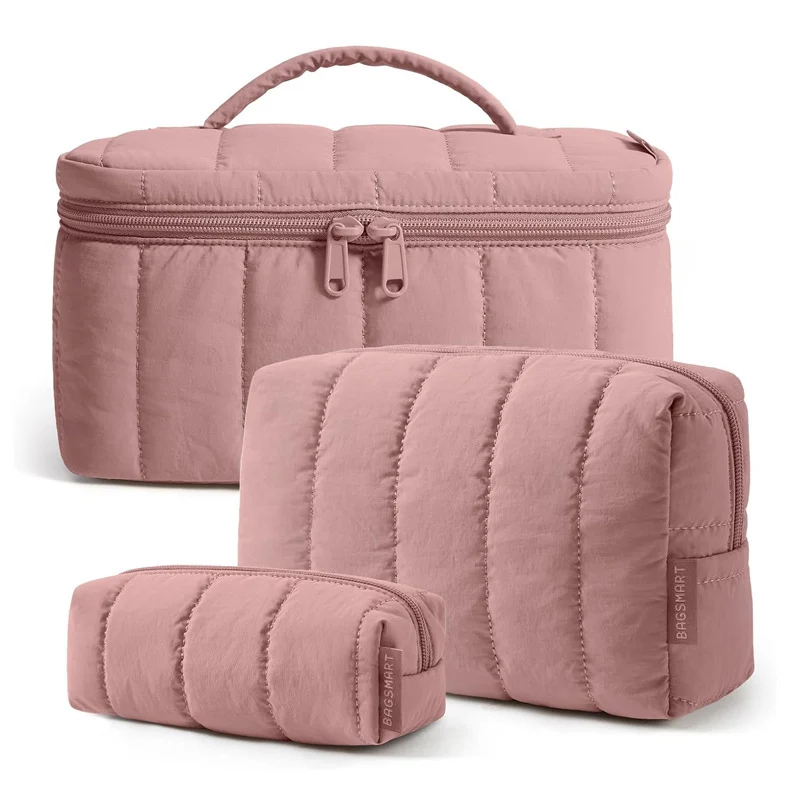
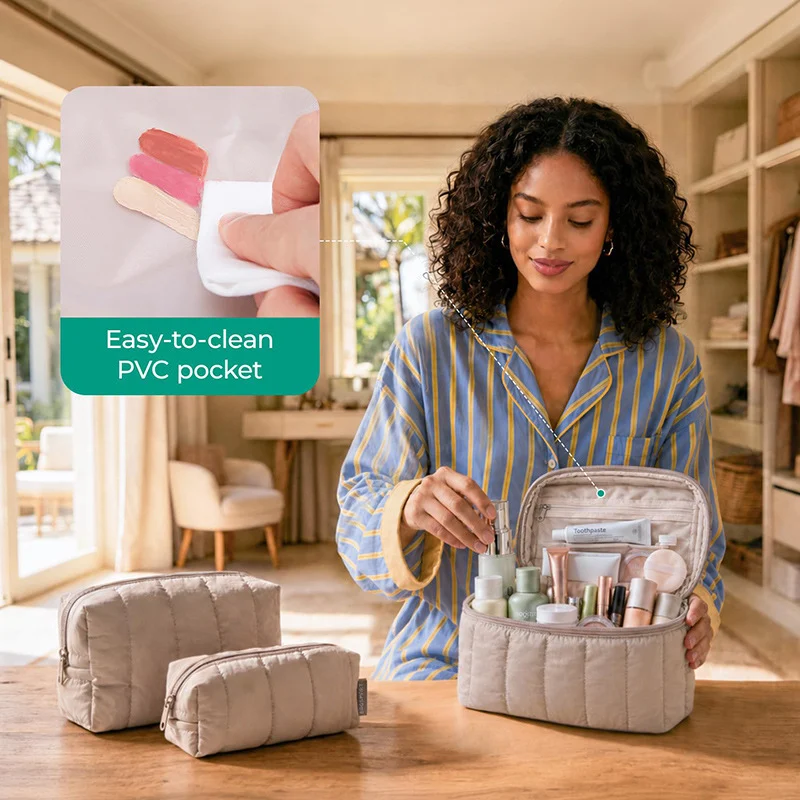
Think about what visitors are carrying or looking for during the event. A cable organizer may suit a technology show; a reusable bottle could work at a long conference; a pouch helps keep small items together. The audience should guide the choice.
For drinkware, check which food-contact rules and documents apply to the material and finished item in your destination market. Charging accessories need a compatibility check; if the item contains a battery, confirm the carrier’s rules for your route. Also check the event manual before bringing food or liquids into the hall.
When we review a sample, we check the part a visitor will actually use: the lid, hinge, switch, or fit. Then we look at the logo and packaging. A product may suit one event well and miss the mark at another, so avoid promising that a giveaway will lead to repeat exposure or sales.
3. Give a relevant sample after a hands-on product demonstration
Show the product before offering a sample. Ask what the buyer is sourcing, demonstrate the relevant material or feature, then offer a matching sample or swatch. The visitor can judge the thing they came to discuss, rather than leave with an unrelated giveaway.
A sample might show a finish, packaging option, component, print method, or size range. Label it with the product reference and basic specifications. If a buyer is comparing options, jot down what worked and what they want changed before the show details blur together.
Put the material, dimensions, packaging, and decoration in the sample brief. “Similar to this” can mean different things to different suppliers. See our promotional items from China and bring your target market, quantity, and artwork into the discussion.
4. Run a short product quiz or challenge
A short challenge can teach visitors something about the product. Ask them to match a material, choose a configuration, or spot a feature in a demo. Keep the instructions simple enough to understand while walking by.
Post the instructions where people can see them. Staff can ask a question, run the challenge, then explain the answer. Keep the participation item small and save the larger prize for a separate interaction. Have a paper option for visitors who do not want to scan a QR code.
Only keep score if it helps the visitor or the conversation. A quiz does not need personal details. If participants can sign up for follow-up, explain that separately and check the event’s terms and applicable privacy requirements.
5. Use a prize wheel or draw with clear rules
A prize wheel is easy to spot from the aisle, but it can also leave you managing a line. Keep entry simple and choose a prize your audience would want. You might offer a small item for taking part and reserve the larger prize for a product discussion or scheduled meeting.
Post the eligibility, timing, prize, and entry conditions before people join. Keep the line out of the aisle. Before running a draw, check the event rules and ask whether local promotion rules apply.
Keep marketing consent separate from entry. Tell visitors what messages they are signing up for, get permission where required, and give them a way to decline. Check the event terms and privacy requirements in the markets involved.
6. Assemble a compact bundle around a buyer use case
A bundle is worth carrying when its pieces belong together. A sample-review kit might have labeled swatches, a small measuring tool, and a specification card. For a buyer meeting, a notebook, pen, and product sheet may be enough.
Decide who gets a bundle before the show. You could hold them for booked meetings or buyers looking at a specific category. Show the contents up front, and keep a basic handout for other visitors.
Packaging affects cost and freight. Check the box or pouch size, insert language, and pack-out work. If names or buyer details will be printed, agree on a secure file and proof process before production.
7. Let visitors personalize a small item
Initials on a notebook or a choice of color can give a visitor a reason to pause. A luggage tag is another option. Keep the process quick; people may not want to wait while an item is made.
Try the setup before the show. Decide who checks spelling and how visitors approve the result. Have a backup for delays, and keep a non-personalized item for anyone in a hurry or uncomfortable sharing a name.
For items personalized before the show, approve a physical sample first. Check the logo size and placement on the actual material. If names or other personal details go to a supplier, send only what is needed and agree how the file will be transferred and deleted.
8. Offer a post-show sample with a clear follow-up
A buyer who wants to assess a product may prefer a sample after the show to another item in their bag. Before promising one, confirm what they want to review, where it is going, who will receive it, and what happens next.
A badge scan alone is thin follow-up. Note the product, market, approximate quantity, and any material or packaging requirements. Record the next step and date. Taking a sample does not mean someone has agreed to ongoing marketing.
Those notes give us something specific to pick up after the show. A sample still needs a clear specification and a shipping plan. If you want help comparing options, share the product reference and destination through our China sourcing and supplier coordination service.
How do you plan and measure trade show giveaways?
Start with expected booth traffic, staff coverage, and the event’s giveaway rules. Past show counts can help set a quantity; without them, estimate how many visitors you can actually speak with and how many items belong in each tier. Add some stock for replenishment, but do not order as if every attendee will stop.
The factory price is only part of the bill. Add decoration, packaging, sampling or tooling, freight, duties, venue delivery, and any stock left after the show. Before production, sign off on the artwork and decorated sample. Get the schedule, carton dimensions, and inspection points in writing.
Count booth stops, qualified conversations, meeting requests, and post-show replies. Decide what counts as a qualified lead before the event so the team records them the same way. If you compare two giveaway ideas, note when each ran and who was staffing the booth; the comparison will be more useful when conditions were similar.
For a China order, work backward from the event deadline and allow time for samples, inspection, storage, and shipment. If several suppliers are involved, ask us whether warehousing and shipment planning suits the order. You can also browse our product categories for wholesale buyers while building your list.
Frequently asked questions about trade show giveaways
What are the best giveaways for a trade show booth?
Start with the audience and what you want them to do. A small handout suits walk-up traffic; a product sample fits a focused discussion; a kit can follow a qualified meeting. Check the size, branding, destination requirements, and delivered cost before ordering.
How can I attract visitors without expensive giveaways?
Give people something to do or try. A quick product demonstration, useful low-cost item, or short challenge can start the conversation. Keep it easy to join, and track the discussions that follow rather than counting handouts alone.
How many giveaways should I order for a trade show?
Use expected attendance and your own past show numbers if you have them. Factor in staff coverage, event rules, and items reserved for meetings. Check the supplier’s minimum order quantity and leave room to restock. Booth size alone will not give you the right number.
Should I scan every attendee who accepts a giveaway?
No. Check the event’s badge-scanning terms and tell visitors how you plan to use their details. Taking a handout does not mean they expect marketing messages. Get permission where required and let people join the activity without signing up for follow-up.
When should custom trade show giveaways be ordered?
Start with the venue’s receiving deadline, then allow time for artwork, a decorated sample, production, inspection, and freight. Ask for a schedule based on your exact item, quantity, customization, and destination. A generic lead-time estimate is not enough for a show delivery.
Which giveaway fits the conversation you want to have?
Pick the giveaway to fit the conversation you want to have. Then check whether visitors stopped, talked, or agreed to a follow-up. A clear brief and approved sample help keep the order on track.
At Sellers Union, we work with international wholesale buyers sourcing from China. We can discuss promotional items, samples, packaging, and shipment plans around your event and order.
Send us the event date, destination, quantity, audience, and artwork. We will discuss suitable products and the order details with you. Get Price & Details.

Ivy is a Sourcing Specialist at Sellers Union. She shares hands-on experience in supplier selection, quality control, and market trends to help global wholesalers make informed decisions. Her goal is to simplify the sourcing process and help brands build efficient supply chains in the industry.