







Ever wondered where your favorite pair of Nike shoes comes from? With 780 million pairs produced annually across the globe, Nike’s manufacturing network is one of the most sophisticated supply chains in the world. Understanding where and how Nike makes its products reveals fascinating insights into global manufacturing trends and consumer economics.
This comprehensive guide explores Nike’s current manufacturing locations, the shift from China to Vietnam, and what this means for consumers and the global economy.
Nike’s Current Manufacturing Footprint: The Numbers
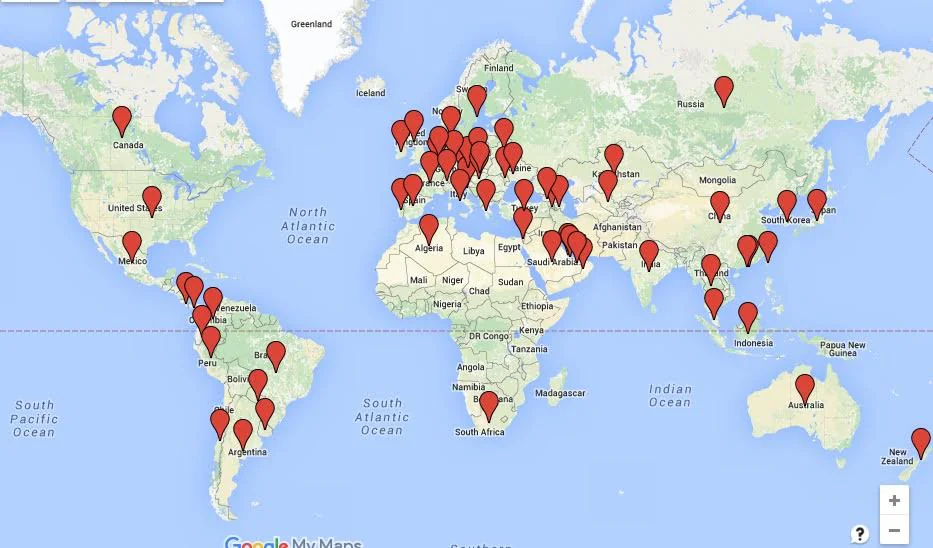
Nike’s contract manufacturers operate 96 finished goods footwear factories in 11 countries, with Vietnam accounting for 50% of total Nike brand footwear, followed by China and Indonesia with 27% and 18%, respectively.
Top 5 Nike Manufacturing Countries (2025)
- Vietnam: 50% – The undisputed leader in Nike footwear production
- China: 27% – Down from previous dominance but still significant
- Indonesia: 18% – Growing rapidly in importance
- Thailand: 3% – Specialized production focus
- Other countries: 2% – Including Cambodia, India, and Brazil
The Great Manufacturing Shift: Why Vietnam Became Nike’s #1 Producer
Vietnam’s Rise to Manufacturing Dominance
Today, half of all Nike shoes are made in Vietnam, representing a dramatic shift from the early 2000s when China dominated production. This transformation didn’t happen overnight—it’s the result of strategic business decisions and global economic changes.
Key Factors Behind Vietnam’s Success:
Cost Advantages
- Labor costs 40-50% lower than China
- Competitive factory overhead expenses
- Favorable government incentives for foreign manufacturers
Strategic Location Benefits
- Proximity to raw material suppliers
- Well-developed port infrastructure
- Access to regional and global markets
Skilled Workforce Development
- Over 2.8 million workers in Vietnamese textile and footwear industries
- Specialized training programs for athletic footwear production
- High-quality manufacturing standards
Trade Agreement Advantages
- Comprehensive and Progressive Trans-Pacific Partnership (CPTPP) benefits
- Reduced tariffs for exports to major markets
- Favorable trade relationships with EU and US

China’s Evolving Role in Nike Manufacturing
While China’s share has decreased, it remains critically important to Nike’s operations. China and Indonesia come in behind with 27 per cent and 18 per cent, respectively of Nike’s footwear production.
Why China Remains Relevant:
Advanced Manufacturing Capabilities
- State-of-the-art production technologies
- Sophisticated quality control systems
- Innovation and R&D facilities
Supply Chain Integration
- Established relationships with component suppliers
- Efficient logistics networks
- Raw material sourcing advantages
Domestic Market Importance
- China represents Nike’s second-largest market globally
- Local production serves domestic demand
- Reduced shipping costs and delivery times
Nike’s Manufacturing Strategy: Beyond Footwear
Apparel Production Distribution
Nike’s contract manufacturers operated 285 finished goods apparel factories located in 33 countries, showing even greater geographic diversity than footwear production.
Top Apparel Manufacturing Countries:
- Vietnam: 35% of apparel production
- China: 30% of apparel production
- Cambodia: 15% of apparel production
- Indonesia: 12% of apparel production
- Other countries: 8% of apparel production
The Contract Manufacturing Model
Nike does not own any production facility. It enters into contracts with third parties to manufacture the products we all know and use. This business model offers several advantages:
Flexibility Benefits:
- Ability to scale production up or down quickly
- Reduced capital investment in manufacturing facilities
- Risk distribution across multiple partners
- Access to specialized manufacturing expertise
Quality Control Measures:
- Strict supplier certification processes
- Regular factory audits and inspections
- Comprehensive quality standards enforcement
- Continuous improvement programs
Regional Manufacturing Hubs: A Detailed Analysis
Vietnam: The Manufacturing Powerhouse
Major Nike Factory Locations in Vietnam:
- Ho Chi Minh City region: Largest concentration of footwear factories
- Dong Nai Province: High-capacity production facilities
- Binh Duong Province: Specialized athletic footwear production
- Long An Province: Growing manufacturing hub
Production Capabilities:
- Average factory size: 5,000-15,000 workers
- Annual production capacity: 80-120 million pairs per region
- Specialization in running shoes, basketball shoes, and lifestyle footwear
China: The Innovation Center
Despite reduced manufacturing volume, China remains crucial for:
High-End Product Lines:
- Premium athletic footwear
- Limited edition releases
- Technology-intensive products
- Prototype development
Regional Focus Areas:
- Guangdong Province: Traditional manufacturing base
- Fujian Province: Specialized athletic footwear
- Jiangsu Province: Technology and innovation centers
Indonesia: The Rising Star
Indonesia has emerged as Nike’s third-largest manufacturing base:
Growth Factors:
- Competitive labor costs
- Government support for foreign investment
- Expanding manufacturing infrastructure
- Strategic location for Southeast Asian markets
Production Specialization:
- Casual footwear and lifestyle products
- Basic athletic shoes
- Apparel manufacturing

Manufacturing Quality Standards and Processes
Nike’s Global Quality Framework
Material Sourcing Standards:
- Rigorous supplier certification processes
- Sustainable material sourcing initiatives
- Quality testing at multiple production stages
- Compliance with international safety standards
Production Process Controls:
- Standardized manufacturing procedures across all facilities
- Regular quality audits and inspections
- Worker training and certification programs
- Technology integration for quality assurance
Sustainability Initiatives in Manufacturing
Environmental Commitments:
- Carbon neutral manufacturing by 2030
- Sustainable material usage targets
- Water conservation programs
- Waste reduction initiatives
Social Responsibility Measures:
- Fair labor practice enforcement
- Worker safety and welfare programs
- Community development initiatives
- Transparency in supply chain operations
Economic Impact of Nike’s Manufacturing Decisions
Global Economic Implications
Employment Generation:
- Over 1 million workers employed globally
- Economic development in manufacturing regions
- Skill development and training programs
- Local community investment
Trade Balance Effects:
- Significant export revenues for manufacturing countries
- Foreign direct investment attraction
- Technology transfer benefits
- Infrastructure development support
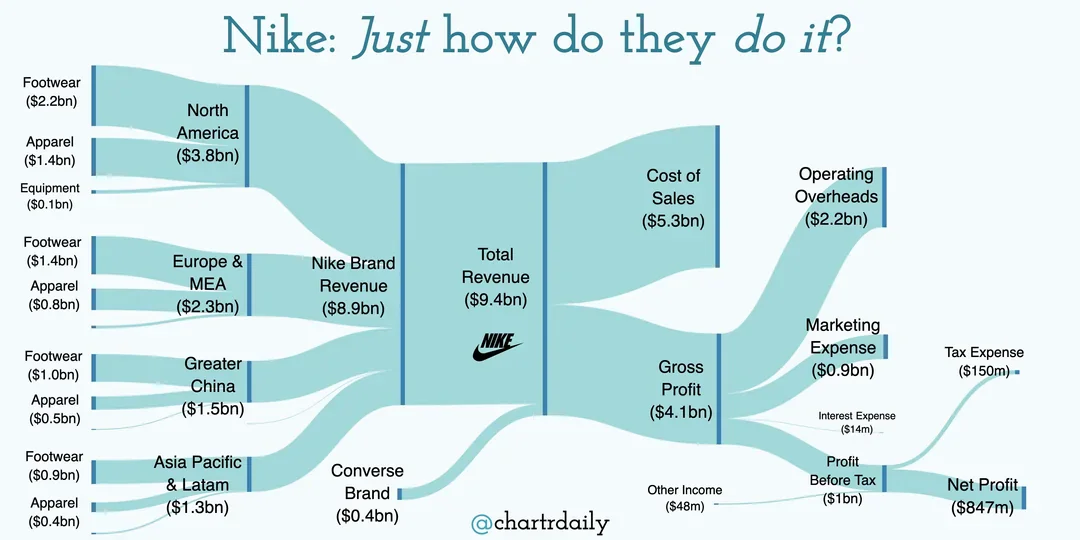
Consumer Price Implications
Cost Structure Analysis:
- Manufacturing costs: 25-35% of retail price
- Materials and components: 20-30% of retail price
- Design, marketing, and distribution: 40-55% of retail price
Regional Price Variations:
- Products manufactured in Vietnam typically cost 10-15% less to produce than China
- Indonesia manufacturing offers 5-10% cost savings over China
- Quality standards remain consistent across all locations
Future Trends in Nike Manufacturing
Emerging Manufacturing Locations
Countries Under Consideration:
- Philippines: Growing interest due to competitive costs
- Bangladesh: Expanding textile and footwear capabilities
- Mexico: Near-shoring opportunities for North American markets
- India: Large domestic market and manufacturing potential
Technology Integration Trends
Automation and Innovation:
- Increased use of manufacturing automation
- 3D printing for prototype development
- AI-powered quality control systems
- Sustainable manufacturing technologies
Supply Chain Digitization:
- Real-time production monitoring
- Digital quality control systems
- Blockchain for supply chain transparency
- Predictive maintenance technologies
How Nike’s Manufacturing Strategy Affects Consumers
Product Availability and Pricing
Regional Advantages:
- Faster delivery times from regional manufacturing
- Reduced shipping costs benefit consumers
- Local customization capabilities
- Seasonal production flexibility
Quality Consistency:
- Standardized processes ensure uniform quality
- Regular audits maintain global standards
- Technology integration improves reliability
- Continuous improvement programs enhance products
Sustainability Impact
Consumer Benefits:
- Increased use of recycled and sustainable materials
- Reduced carbon footprint through optimized logistics
- Ethical manufacturing practices
- Transparency in production processes
Comparing Nike’s Strategy with Competitors
Industry Manufacturing Trends
Adidas Manufacturing Distribution:
- Similar shift toward Vietnam and Indonesia
- Reduced reliance on Chinese manufacturing
- Focus on automation and sustainability
Puma Production Strategy:
- Concentrated in Vietnam and Indonesia
- Emphasis on cost optimization
- Investment in sustainable manufacturing
Frequently Asked Questions About Nike Manufacturing
Are Nike shoes made in China or Vietnam?
Vietnam accounted for 50% of total Nike brand footwear, followed by China and Indonesia with 27% and 18%, respectively. So while both countries manufacture Nike shoes, Vietnam is currently the larger producer.
Why did Nike move manufacturing from China to Vietnam?
The shift occurred due to several factors:
Lower labor and operational costs in Vietnam
Trade advantages and favorable government policies
Diversification strategy to reduce supply chain risks
China’s evolving economy focusing on higher-value manufacturing
How many Nike factories are there worldwide?
Nike’s contract manufacturers operate 96 finished goods footwear factories in 11 countries for shoes, plus 285 apparel factories across 33 countries.
Does Nike own its manufacturing factories?
No, Nike does not own any production facility. It enters into contracts with third parties to manufacture the products, allowing for greater flexibility and reduced capital investment.
Nike’s Manufacturing Evolution: A Historical Deep Dive
The Early Years: From Oregon to Global Expansion (1964-1990s)
Nike’s manufacturing journey began in 1964 when Phil Knight and Bill Bowerman founded Blue Ribbon Sports in Beaverton, Oregon. Initially, they imported running shoes from Japan’s Onitsuka Tiger, but this partnership taught them valuable lessons about international manufacturing and quality control.
The Japan Connection (1960s-1970s):
- First international manufacturing partnership with Onitsuka Tiger
- Learning curve in quality control and international logistics
- Development of specifications for athletic footwear
- Understanding of Asian manufacturing capabilities
The Move to South Korea (1970s-1980s): As Japan’s economy grew and labor costs increased, Nike shifted production to South Korea. This move established a pattern that would define Nike’s manufacturing strategy for decades:
- Lower labor costs compared to developed markets
- Government incentives for foreign manufacturers
- Developing skilled workforce in athletic footwear production
- Technology transfer and local capacity building
Taiwan Era (1980s-1990s): Similar economic pressures in South Korea led to Nike’s expansion into Taiwan, where manufacturers like Pou Chen Group (now the world’s largest footwear manufacturer) began producing Nike shoes. This period established many of the supplier relationships that continue today.
The China Boom: Manufacturing Dominance (1990s-2010s)
The 1990s marked Nike’s major expansion into Chinese manufacturing, coinciding with China’s economic liberalization and entry into the global manufacturing ecosystem.
Factors Behind China’s Rise:
- Massive labor force with competitive wages
- Government policies encouraging foreign investment
- Rapid infrastructure development
- Proximity to raw material suppliers and component manufacturers
Peak China Production (2000s-2010s): At its height, China manufactured over 60% of Nike’s global footwear production. Key manufacturing hubs included:
Guangdong Province:
- Dongguan: Known as the “world’s factory floor”
- Over 50 Nike contract factories at peak
- Specialized in high-volume, consistent quality production
- Advanced logistics networks for global distribution
Fujian Province:
- Putian: Historic center of athletic footwear manufacturing
- Home to suppliers like Anta and Peak Sport
- Specialized machinery and equipment suppliers
- Deep expertise in athletic footwear construction
Jiangsu Province:
- Focus on technical innovation and higher-end products
- Research and development facilities
- Collaboration with Nike’s innovation teams
- Advanced automation and quality control systems
The Great Migration: Understanding the Vietnam Shift
The shift to Vietnam wasn’t sudden but rather a strategic, multi-year transition that began in the early 2000s and accelerated after 2010.
Timeline of Vietnam Expansion:
- 2005: First Nike contract factories established in Vietnam
- 2010: Vietnam reaches 20% of Nike footwear production
- 2015: Vietnam overtakes China as largest producer at 35%
- 2020: Vietnam reaches 45% market share
- 2025: Vietnam now accounts for 50% of all Nike footwear
Deep Dive: Vietnam’s Manufacturing Advantages
Labor Market Analysis: Vietnam’s textile and footwear industry employs 2.8 million workers, with average wages significantly lower than China:
- Average manufacturing wage: $180-250/month
- China comparison: $400-600/month
- Productivity levels: 85-90% of Chinese workers
- English proficiency: Higher than other regional competitors
Infrastructure Development: Vietnam has invested heavily in manufacturing infrastructure:
- Ho Chi Minh City Port: 15.2 million TEU capacity (2024)
- Highway networks: Direct factory-to-port connections
- Industrial parks: 300+ specialized manufacturing zones
- Power grid reliability: 99.8% uptime in industrial areas
Government Incentives:
- Corporate tax rates: 20% standard, 10% for high-tech manufacturing
- Import duty exemptions: On manufacturing equipment and raw materials
- Land use rights: Long-term leases up to 70 years
- Labor law flexibility: Overtime and shift work accommodations
Manufacturing Process Deep Dive: How Nike Shoes Are Actually Made

Understanding Nike’s manufacturing process reveals why location selection is so critical to their operations.
Stage 1: Design and Development (3-18 months)
- Design centers: Beaverton, Oregon (global HQ) and regional design studios
- Material selection: Working with suppliers in Asia, Europe, and Americas
- Prototype development: Initial samples created in specialized facilities
- Testing and refinement: Performance testing, wear testing, durability analysis
Stage 2: Pre-Production Planning (2-6 months)
- Factory selection: Matching product requirements with manufacturer capabilities
- Capacity allocation: Coordinating production across multiple facilities
- Material sourcing: Securing raw materials and components
- Quality specifications: Detailed technical specifications for each product
Stage 3: Production Execution (30-90 days)
Component Manufacturing:
- Upper production: Cutting, stitching, and assembling fabric/leather components
- Sole manufacturing: Molding rubber and foam components
- Hardware production: Eyelets, laces, logos, and technical components
Assembly Process:
- Lasting: Shaping the upper around the foot-shaped last
- Sole attachment: Bonding or stitching soles to uppers
- Quality control: Multiple inspection points throughout assembly
- Finishing: Final cleaning, lacing, and packaging
Stage 4: Quality Assurance and Shipping (7-14 days)
- Final inspection: Comprehensive quality checks
- Packaging: Brand-specific packaging and labeling
- Distribution: Shipping to regional distribution centers worldwide
Economic Impact Analysis: The Numbers Behind Nike Manufacturing
Vietnam Economic Impact:
- Direct employment: 450,000+ workers in Nike contract factories
- Indirect employment: 1.2 million jobs in supporting industries
- Annual wages paid: $2.1 billion USD
- Export value: $8.7 billion USD annually (2024)
- GDP contribution: 0.8% of Vietnam’s total GDP
China Economic Impact:
- Direct employment: 320,000+ workers in Nike contract factories
- Annual wages paid: $1.8 billion USD
- Export value: $4.2 billion USD annually
- Technology transfer: Advanced manufacturing techniques and quality systems
- Supplier ecosystem: Supporting thousands of component suppliers
Indonesia Economic Impact:
- Direct employment: 180,000+ workers
- Annual wages paid: $720 million USD
- Export value: $2.8 billion USD annually
- Regional development: Manufacturing clusters in Java and Sumatra
Supply Chain Complexity: The Hidden Network
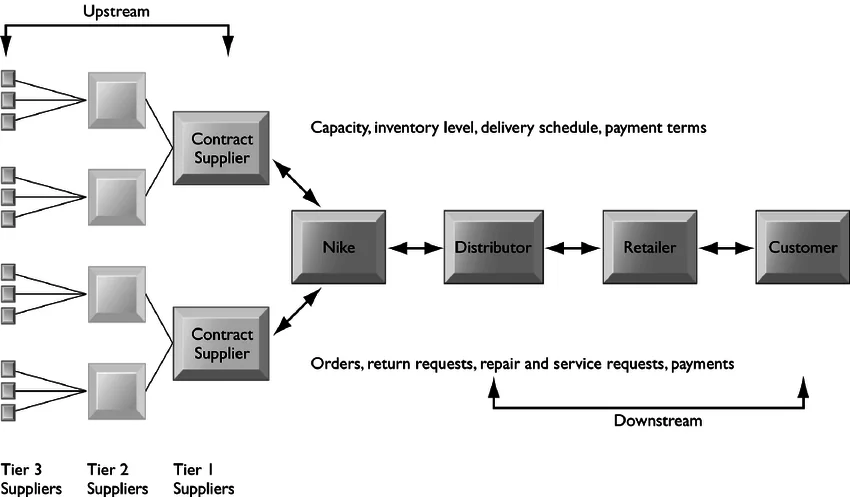
Nike’s manufacturing network extends far beyond final assembly factories to include thousands of component suppliers and raw material providers.
Raw Material Suppliers:
- Leather: Brazil, Argentina, India, Vietnam
- Rubber: Thailand, Malaysia, Indonesia, Vietnam
- Textiles: China, Taiwan, South Korea, Turkey
- Synthetic materials: Germany, USA, Japan, South Korea
- Foam components: China, Vietnam, USA, Germany
Component Suppliers:
- Outsoles: Specialized rubber molding facilities
- Midsoles: Foam injection molding operations
- Hardware: Metal components, eyelets, buckles
- Laces and textiles: Specialized textile manufacturers
- Packaging: Boxes, tissue paper, shopping bags
Logistics Network:
- Ocean freight: 85% of Nike products shipped by sea
- Air freight: 12% for time-sensitive products
- Land transport: 3% for regional distribution
- Distribution centers: 25 major facilities worldwide
- Last-mile delivery: Partnership with global logistics providers
Quality Control and Standards: The Nike Way
Manufacturing Standards Framework:
Nike Code of Conduct: Nike’s supplier code of conduct covers multiple areas:
- Labor standards: Fair wages, reasonable working hours, no child labor
- Environmental protection: Waste management, chemical usage, energy efficiency
- Health and safety: Safe working conditions, protective equipment, emergency procedures
- Business ethics: Anti-corruption, transparency, fair dealing
Quality Assurance Processes:
Pre-Production Quality Control:
- Material testing: All raw materials tested before use
- Sample approval: Multiple prototype rounds before production approval
- Facility audits: Regular assessments of manufacturing capabilities
- Worker training: Continuous education on quality standards
In-Production Monitoring:
- Line inspections: Quality checks at each production stage
- Statistical sampling: Random testing of products during production
- Real-time monitoring: Digital systems tracking quality metrics
- Corrective actions: Immediate response to quality issues
Post-Production Verification:
- Final inspection: 100% inspection of finished products
- Performance testing: Random sample testing for durability and performance
- Customer feedback: Monitoring returns and warranty claims
- Continuous improvement: Using data to improve processes
Sustainability Initiatives: Manufacturing for the Future
Environmental Commitments:
Carbon Neutrality Goals:
- Target: Net-zero carbon emissions by 2050
- Progress: 70% reduction in carbon intensity since 2015
- Renewable energy: 100% renewable energy in owned facilities by 2025
- Supplier requirements: Carbon reduction targets for all contract manufacturers
Sustainable Materials Initiative:
- Recycled polyester: 75% of Nike apparel contains recycled polyester
- Nike Air: 50% of Air units now use at least 75% recycled manufacturing waste
- Flyknit technology: Reduces waste by up to 60% compared to traditional cut-and-sew
- Leather alternatives: Investing in lab-grown and plant-based materials
Water Conservation:
- Water reduction: 20% reduction in water usage per unit since 2015
- Wastewater treatment: All contract factories must meet strict discharge standards
- Dyeing innovations: Waterless dyeing technologies being implemented
- Supply chain monitoring: Real-time tracking of water usage across facilities
Waste Elimination:
- Zero waste to landfill: Goal for all owned facilities by 2025
- Nike Grind program: Recycling athletic footwear into new products
- Packaging reduction: 25% reduction in packaging materials since 2018
- Circular design: Products designed for recyclability from inception
Labor Practices and Social Responsibility
Worker Rights and Conditions:
Fair Labor Standards:
- Living wages: Commitment to paying living wages by 2025
- Working hours: Maximum 60 hours per week including overtime
- Rest days: Mandatory one day off per week
- Overtime compensation: Premium pay for all overtime work
Health and Safety Programs:
- Safety training: Mandatory safety training for all workers
- Protective equipment: Free provision of all necessary safety gear
- Health monitoring: Regular health checkups and occupational health programs
- Emergency procedures: Comprehensive emergency response plans
Worker Empowerment:
- Grievance systems: Anonymous reporting systems for workplace issues
- Worker committees: Employee representation in workplace decisions
- Skills development: Training and education programs for career advancement
- Gender equality: Programs promoting women’s leadership and equality
Community Investment:
- Education programs: Supporting education in manufacturing communities
- Healthcare access: Improving healthcare access for workers and families
- Infrastructure development: Supporting local infrastructure improvements
- Economic development: Programs supporting local economic growth
Technology Integration and Industry 4.0
Digital Manufacturing Technologies:
Automation and Robotics:
- Automated cutting: Computer-controlled cutting systems for precision
- Robotic assembly: Robots handling repetitive assembly tasks
- Quality inspection: AI-powered visual inspection systems
- Material handling: Automated systems for moving materials and products
Data Analytics and AI:
- Predictive maintenance: AI systems predicting equipment failures
- Quality prediction: Machine learning models predicting quality issues
- Production optimization: AI optimizing production schedules and resource allocation
- Supply chain visibility: Real-time tracking of materials and products
3D Technology Applications:
- 3D printing: Rapid prototyping and small-batch production
- 3D scanning: Foot scanning for personalized fit
- Virtual sampling: Digital prototypes reducing physical sample needs
- 3D modeling: Advanced design and engineering capabilities
Internet of Things (IoT):
- Connected equipment: Real-time monitoring of production equipment
- Environmental monitoring: Tracking temperature, humidity, and air quality
- Worker safety: Wearable devices monitoring worker safety and health
- Energy management: Smart systems optimizing energy usage
Competitive Analysis: How Nike Compares to Industry Peers
Manufacturing Strategy Comparison:
Adidas Manufacturing:
- Geographic distribution: Similar shift toward Southeast Asia
- Vietnam presence: 40% of footwear production
- China strategy: Maintaining significant presence for innovation and domestic market
- Technology focus: Heavy investment in automation and 3D printing
- Sustainability: Commitment to 100% recycled polyester by 2024
Puma Manufacturing:
- Regional focus: Concentrated in Vietnam and Indonesia
- Production volume: Smaller scale allowing for more agile manufacturing
- Innovation approach: Emphasis on sustainable manufacturing processes
- Labor practices: Strong focus on worker rights and fair labor practices
Under Armour Manufacturing:
- Geographic distribution: More diversified across multiple regions
- Technology integration: Focus on performance-enhancing manufacturing technologies
- Domestic production: Some production returning to North America
- Supply chain: Shorter, more responsive supply chains
New Balance Manufacturing:
- Domestic production: Significant manufacturing in USA and UK
- Premium positioning: Higher-cost production for premium market positioning
- Craftsmanship focus: Emphasis on traditional manufacturing techniques
- Limited global footprint: More concentrated manufacturing network
Economic and Geopolitical Factors Affecting Manufacturing
Trade Policy Impact:
US-China Trade Relations:
- Tariff implications: Import duties affecting cost structures
- Trade war effects: Accelerated shift away from China manufacturing
- Supply chain diversification: Reduced reliance on single countries
- Policy uncertainty: Planning for various trade scenarios
Regional Trade Agreements:
- CPTPP benefits: Reduced tariffs for Vietnam-produced goods
- ASEAN agreements: Facilitating Southeast Asian production
- USMCA implications: Potential for nearshoring to Mexico
- EU trade deals: Affecting European market access
Currency Fluctuations:
- Exchange rate risks: Impact on manufacturing costs and pricing
- Hedging strategies: Financial instruments managing currency exposure
- Local currency invoicing: Reducing currency conversion risks
- Multi-country production: Natural hedge through geographic diversification
Political Stability:
- Investment security: Political risk assessment for manufacturing locations
- Regulatory environment: Consistency and predictability of regulations
- Infrastructure investment: Government support for manufacturing infrastructure
- Labor law stability: Predictable employment regulations
Future Trends and Predictions
Emerging Manufacturing Technologies:
Sustainable Manufacturing:
- Carbon-neutral production: All manufacturing facilities carbon neutral by 2030
- Circular economy: Products designed for complete recyclability
- Bio-based materials: Shift toward plant-based and lab-grown materials
- Zero waste manufacturing: Elimination of all manufacturing waste
Personalization and Customization:
- Mass customization: Individual product customization at scale
- 3D printing expansion: On-demand production for specialized products
- Local production: Micro-factories serving local markets
- Consumer co-creation: Direct consumer input into product design
Supply Chain Resilience:
- Diversification: Further geographic spread of manufacturing
- Nearshoring: Some production moving closer to consumer markets
- Technology integration: End-to-end supply chain digitization
- Risk management: Advanced systems for managing supply chain disruptions
Regional Deep Dives: Country-Specific Analysis
Vietnam: The Current Leader
Manufacturing Infrastructure: Vietnam’s manufacturing success stems from comprehensive infrastructure development:
Transportation Networks:
- Highways: 750,000 km of roads connecting manufacturing zones
- Railways: 2,600 km of railway network for cargo transport
- Ports: 8 major deep-water ports handling container traffic
- Airports: International cargo airports in major manufacturing regions
Industrial Parks:
- Specialized zones: 300+ industrial parks focused on manufacturing
- Support services: Integrated logistics, customs, and administrative services
- Utility infrastructure: Reliable power, water, and telecommunications
- Environmental compliance: Modern waste treatment and environmental controls
Skilled Workforce Development:
- Technical education: Government investment in vocational training
- Language skills: Growing English proficiency in manufacturing workforce
- Quality systems: Training in international quality standards
- Productivity improvements: Continuous training and skill development programs
Business Environment:
- Foreign investment policy: Welcoming policies for international manufacturers
- Regulatory framework: Streamlined processes for business operations
- Tax incentives: Competitive corporate tax rates and incentives
- Legal system: Improving intellectual property protection and contract enforcement
China: Evolution and Innovation Focus
Despite reduced volume, China remains critical to Nike’s strategy:
High-Value Manufacturing:
- Innovation centers: R&D facilities developing next-generation products
- Premium products: High-end footwear and limited edition releases
- Technology integration: Advanced automation and quality systems
- Design collaboration: Close cooperation with Nike’s global design teams
Domestic Market Strategy:
- Local production: Serving China’s growing athletic footwear market
- Consumer preferences: Products designed for Chinese consumer tastes
- Speed to market: Rapid response to local market trends
- Brand presence: Local manufacturing supporting brand visibility
Supply Chain Integration:
- Component suppliers: Deep network of specialized component manufacturers
- Raw materials: Access to advanced synthetic materials and technologies
- Logistics networks: Efficient distribution to global and domestic markets
- Quality systems: Mature quality control and assurance processes
Indonesia: The Growing Hub
Manufacturing Advantages:
- Labor costs: Competitive wages compared to China and Vietnam
- Government support: Pro-business policies and investment incentives
- Strategic location: Access to Southeast Asian and Australian markets
- Natural resources: Local access to rubber and other raw materials
Development Priorities:
- Infrastructure investment: Government spending on manufacturing infrastructure
- Skills development: Training programs for technical manufacturing skills
- Technology adoption: Investment in modern manufacturing equipment
- Environmental standards: Improving environmental compliance and sustainability
Consumer Impact and Market Dynamics
Price Impact Analysis:
Cost Structure Breakdown: Understanding how manufacturing location affects retail prices:
Vietnam Production:
- Manufacturing cost: $12-18 per pair (athletic footwear)
- Material costs: $8-12 per pair
- Labor costs: $2-4 per pair
- Overhead and logistics: $2-2 per pair
- Retail price impact: Enables competitive pricing in mid-tier products
China Production:
- Manufacturing cost: $15-22 per pair (athletic footwear)
- Material costs: $8-12 per pair (similar to Vietnam)
- Labor costs: $4-6 per pair (higher than Vietnam)
- Overhead and logistics: $3-4 per pair
- Retail price impact: Premium products can absorb higher costs
Quality Perception: Consumer perceptions of manufacturing location:
- Made in Vietnam: Generally positive, associated with good value
- Made in China: Mixed perceptions, improving over time
- Made in Indonesia: Neutral to positive, less consumer awareness
- Made in USA: Premium perception, limited availability
Availability and Distribution: Manufacturing location affects product availability:
- Regional products: Some products manufactured only for specific regions
- Seasonal availability: Different factories handling different seasonal production
- Limited editions: Often produced in specific facilities with specialized capabilities
- Customization options: Available primarily from technologically advanced facilities
Industry Implications and Lessons Learned
Strategic Insights for Businesses:
Geographic Diversification Benefits:
- Risk mitigation: Reducing dependence on single countries or regions
- Cost optimization: Leveraging regional advantages for different products
- Market access: Local production improving market penetration
- Flexibility: Ability to shift production based on changing conditions
Supplier Relationship Management:
- Long-term partnerships: Building stable, long-term supplier relationships
- Capacity development: Investing in supplier capabilities and capacity
- Quality systems: Implementing consistent quality standards across suppliers
- Technology transfer: Sharing technology and expertise with manufacturing partners
Supply Chain Resilience:
- Multiple sourcing: Avoiding single points of failure in supply chains
- Inventory management: Strategic inventory positioning for supply chain flexibility
- Communication systems: Real-time communication with manufacturing partners
- Contingency planning: Prepared responses to supply chain disruptions
Environmental and Social Impact Assessment
Environmental Footprint Analysis:
Carbon Emissions:
- Transportation: Ocean freight generating lower emissions than air transport
- Manufacturing energy: Renewable energy adoption reducing carbon footprint
- Material sourcing: Local sourcing reducing transportation emissions
- Product lifecycle: Designing products for longer use and recyclability
Water Usage:
- Manufacturing processes: Water-intensive dyeing and finishing processes
- Wastewater treatment: Advanced treatment systems preventing water pollution
- Conservation measures: Technology reducing water consumption per unit
- Local impact: Managing water usage in water-stressed regions
Waste Generation:
- Manufacturing waste: Fabric scraps, chemical waste, packaging materials
- Recycling programs: Converting waste materials into new products
- Waste reduction: Process improvements reducing waste generation
- Circular economy: Designing products for complete recyclability
Social Impact:
- Employment generation: Creating jobs in developing economies
- Skills development: Training and education improving worker capabilities
- Community development: Investment in local infrastructure and services
- Economic growth: Manufacturing contributing to national economic development
Conclusion: The Future of Nike Manufacturing
Nike’s manufacturing evolution from China-centric to Vietnam-dominated production represents one of the most significant supply chain shifts in modern business history. This transformation demonstrates how global brands adapt to changing economic conditions, trade policies, and market demands while maintaining quality standards and meeting consumer expectations.
Key Strategic Takeaways:
Geographic Strategy:
- Vietnam now leads Nike footwear production at 50% market share
- China remains important with 27% but focuses on higher-value, innovative products
- Indonesia is rapidly growing as the third-largest manufacturing base at 18%
- Geographic diversification reduces risks and optimizes costs across the supply chain
- Future expansion likely in Philippines, Bangladesh, and nearshoring opportunities
Technology Integration:
- Sustainability and technology integration drive future manufacturing decisions
- Digital manufacturing, AI, and automation becoming standard across facilities
- 3D printing and customization capabilities expanding rapidly
- IoT and data analytics optimizing production efficiency and quality control
Economic Impact:
- Over 1 million workers employed globally in Nike’s manufacturing network
- $5+ billion in annual wages paid across manufacturing countries
- Significant contribution to GDP in Vietnam, China, and Indonesia
- Technology transfer and skills development benefiting local economies
Sustainability Leadership:
- Comprehensive environmental commitments including carbon neutrality by 2050
- Investment in sustainable materials and circular economy principles
- Water conservation and waste elimination programs across all facilities
- Social responsibility programs supporting worker rights and community development
Consumer Benefits: For consumers, this global manufacturing strategy means:
- Continued access to high-quality Nike products at competitive prices
- Improved sustainability practices and supply chain transparency
- Greater product availability and faster delivery times
- Innovation in materials, design, and performance features
Industry Implications: Nike’s manufacturing strategy provides valuable insights for businesses of all sizes:
- The importance of geographic diversification in global supply chains
- Building long-term partnerships with manufacturing suppliers
- Investing in technology and sustainability for competitive advantage
- Balancing cost optimization with quality maintenance and social responsibility
Future Outlook: As global manufacturing continues to evolve, several trends will shape Nike’s future strategy:
- Continued growth in Southeast Asian manufacturing capabilities
- Increased automation and digital integration across all facilities
- Greater emphasis on sustainability and circular economy principles
- Potential for nearshoring and regionalization of supply chains
- Integration of consumer customization and personalization technologies
Nike’s manufacturing network serves as a blueprint for how successful global companies can navigate complex international production environments while maintaining brand standards, meeting consumer demands, and contributing positively to the communities where they operate.
The company’s ability to successfully transition from China-centric production to a diversified, Vietnam-led network while maintaining quality and scaling to meet global demand demonstrates the power of strategic supply chain management in today’s interconnected global economy.
For businesses looking to understand or replicate aspects of Nike’s manufacturing success, the key lies in balancing multiple objectives: cost optimization, quality maintenance, risk mitigation, sustainability commitments, and social responsibility. Nike’s experience shows that these objectives, while sometimes competing, can be successfully integrated into a coherent global manufacturing strategy.

Ivy is a Sourcing Specialist at Sellers Union. She shares hands-on experience in supplier selection, quality control, and market trends to help global wholesalers make informed decisions. Her goal is to simplify the sourcing process and help brands build efficient supply chains in the industry.