





Quick Answer
Chinos are versatile trousers made from lightweight cotton twill fabric, originally developed for military uniforms in the mid-19th century. Distinguished by their smooth texture, flat-front design, and characteristic sandy-khaki color (though now available in many hues), chinos bridge the gap between casual denim and formal dress pants. The name comes from the Spanish term “pantalones chinos” (Chinese pants), as American soldiers imported them from China during the Spanish-American War in 1898. Today, chinos remain a wardrobe staple valued for their comfort, durability, and ability to transition seamlessly from office to weekend wear.

My Journey with Chinos: Why This Classic Never Gets Old
I still remember the first time I truly appreciated chinos—not just as “those pants that aren’t jeans,” but as a genuine style essential. It was during a business trip to Shanghai a few years ago when I noticed how effortlessly local professionals styled them with everything from crisp Oxford shirts to casual knits. That observation sparked my deeper exploration into what makes these trousers so universally appealing, and why they’ve endured for over a century.
Through years of sourcing quality garments and working closely with manufacturers in China, I’ve gained intimate knowledge of what separates exceptional chinos from mediocre ones. This isn’t just theoretical knowledge—I’ve worn countless pairs, tested fabrics in different climates, and learned firsthand why chinos have maintained their position as a menswear fundamental.
Understanding Chinos: More Than Just Pants
What Exactly Are Chinos?
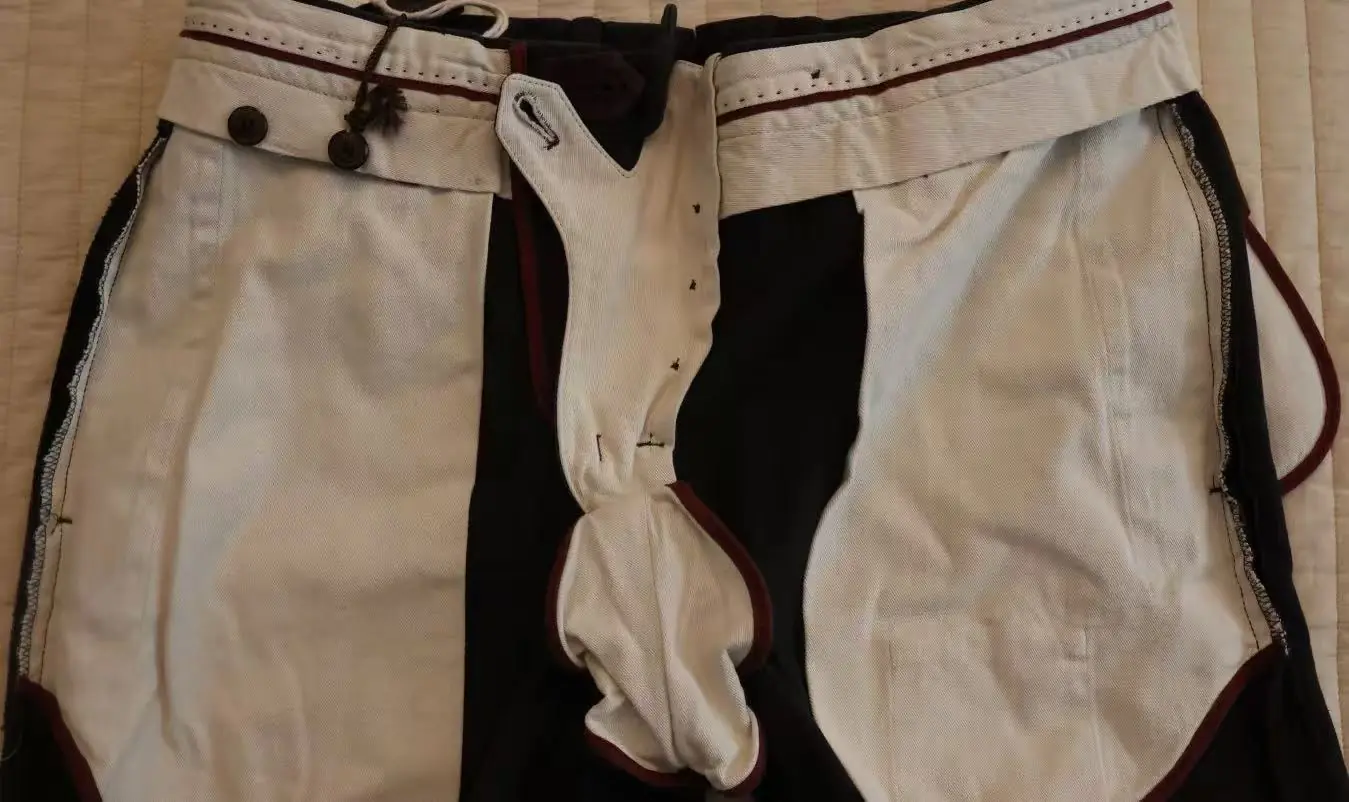
At their core, chinos are trousers crafted from chino cloth—a durable cotton twill fabric characterized by its diagonal weave pattern. According to documentation on chino cloth, this fabric was originally made from 100% pure cotton, though modern versions often incorporate synthetic blends for enhanced flexibility and wrinkle resistance.
The defining characteristics that set chinos apart include:
- Twill weave construction: Creates a subtle diagonal pattern and exceptional durability
- Flat-front design: No pleats, offering a cleaner, more streamlined appearance
- Lightweight feel: More breathable than denim but more substantial than dress pants
- Versatile styling: Suitable for both smart-casual and semi-formal occasions
- Five-pocket or four-pocket design: Similar to jeans but with refined details
In my experience sourcing textiles from Chinese mills, the quality of the twill weave dramatically affects how chinos age. The best pairs develop a beautiful patina over time, becoming softer with each wash while maintaining their structural integrity.
The Fascinating History: From Battlefield to Fashion Runway
The Birth of Khaki
The story of chinos begins not in China, but in colonial India during the 1840s. British Lieutenant Sir Harry Lumsden, frustrated with his regiment’s conspicuous white uniforms, improvised a solution by dyeing his trousers with a mixture of coffee, curry powder, and tea. He called this earth-toned color “khaki”—derived from the Urdu word meaning “dust” or “earth-colored.”
This innovation proved revolutionary. As Blackhorse Lane Ateliers’ historical account explains, khaki uniforms provided crucial camouflage advantages, helping soldiers blend into arid landscapes while offering relief from oppressive heat. The British Army officially adopted khaki uniforms in 1848 for its Indian forces, and the practical benefits quickly became apparent across military campaigns in South Africa, Sudan, and Afghanistan.
The American Connection: Why “Chinos”?
The term “chinos” entered American vocabulary during the Spanish-American War of 1898. U.S. Army soldiers stationed in the Philippines and Cuba found it more efficient to source their cotton twill trousers from Chinese mills rather than shipping them from America. Spanish-speaking locals dubbed these imports “pantalones chinos”—literally meaning “Chinese pants.”
The name stuck. By 1902, chinos had been incorporated into the official U.S. Army uniform. I find it fascinating that a garment born from logistical necessity would eventually become a global fashion staple—it’s a perfect example of how functional design often transcends its original purpose.
Post-War Popularity and the Ivy League Influence
The true civilian breakthrough came after World War II. With 8.3 million American service members returning home, surplus military clothing flooded the market. Veterans continued wearing their comfortable chinos in daily life, and the style rapidly gained traction.
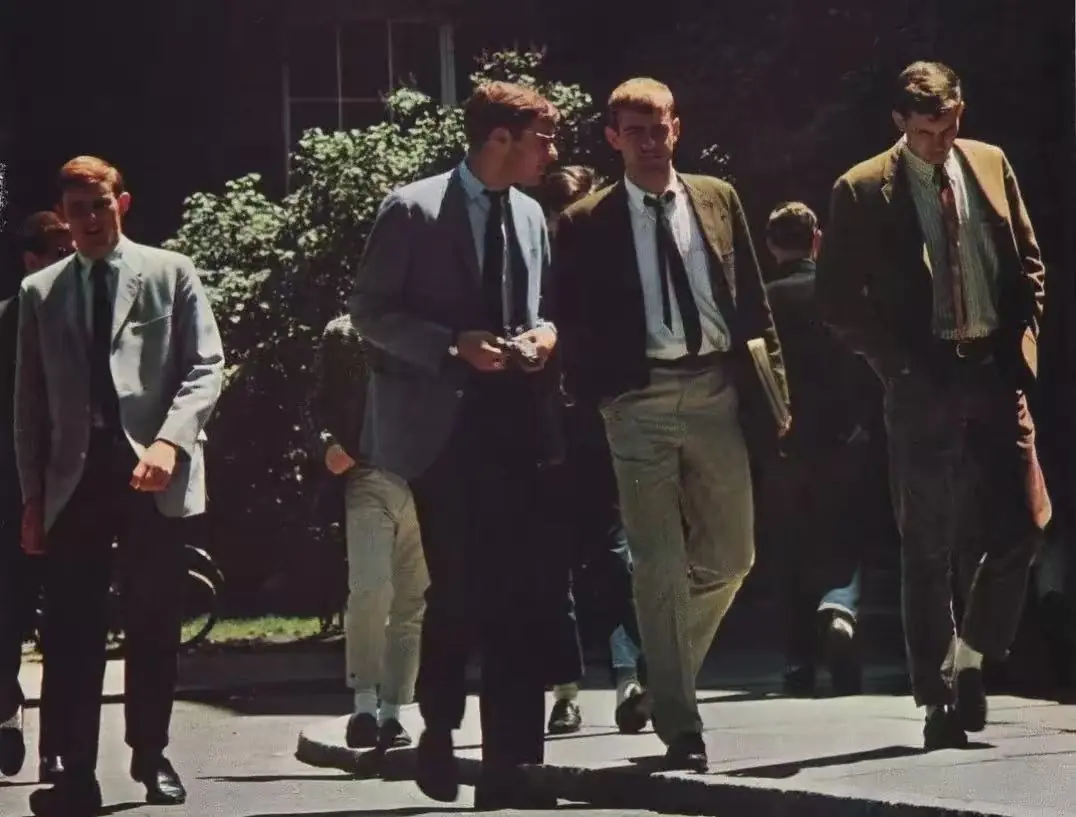
The 1950s and 1960s marked chinos’ golden era in American collegiate fashion. According to fashion historians, Princeton students pioneered the “Ivy League” aesthetic by pairing chinos with blazers, button-down Oxford shirts, and loafers. This preppy uniform spread across elite universities and eventually permeated mainstream American style.
President John F. Kennedy famously wore chinos, as did Hollywood icons like Paul Newman, Steve McQueen, and Marlon Brando. McQueen’s legendary motorcycle jump scene in The Great Escape featured authentic military chinos—not the stretchy imitations we often see today.
The Global Fashion Evolution
Breaking Cultural Boundaries
While chinos maintained their preppy reputation in America, they took on different meanings across global subcultures. The Black Ivy movement of the 1950s and 1960s saw jazz figures like Miles Davis—and contemporaries such as John Coltrane—reshape preppy aesthetics through a lens of intellectual rebellion. Davis, in particular, embraced slim-cut chinos paired with turtlenecks, knitwear, and soft-shouldered sport coats, balancing refinement with defiance.
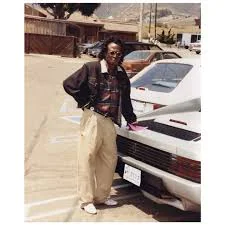
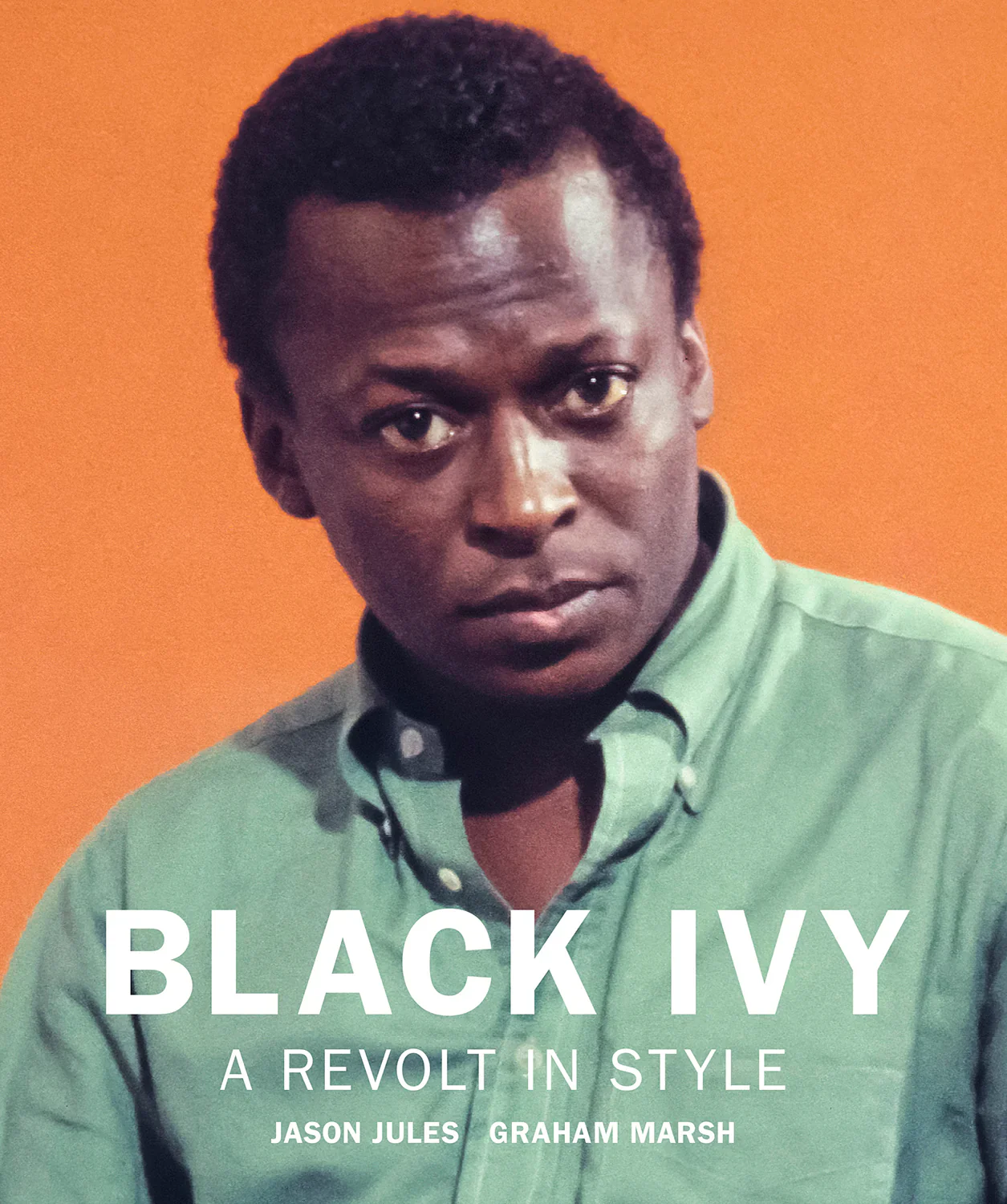
In California, Latino youth movements embraced oversized chinos with razor-sharp creases, transforming them into symbols of cultural pride. By the 1990s, West Coast hip-hop artists had incorporated chinos into their signature looks, further expanding the garment’s cultural resonance.
Chinos in Contemporary Fashion
Today’s fashion landscape has witnessed chinos evolve beyond their military and preppy origins. According to 2024 trend reports, we’re seeing several exciting developments:
Sustainable Innovation: Eco-conscious consumers are driving demand for organic cotton chinos and innovative fabric technologies. Brands are responding with products featuring moisture-wicking properties, anti-odor treatments, and stretch materials that maintain the classic chino aesthetic while offering athletic-wear comfort.
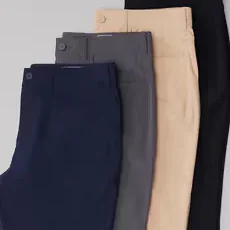
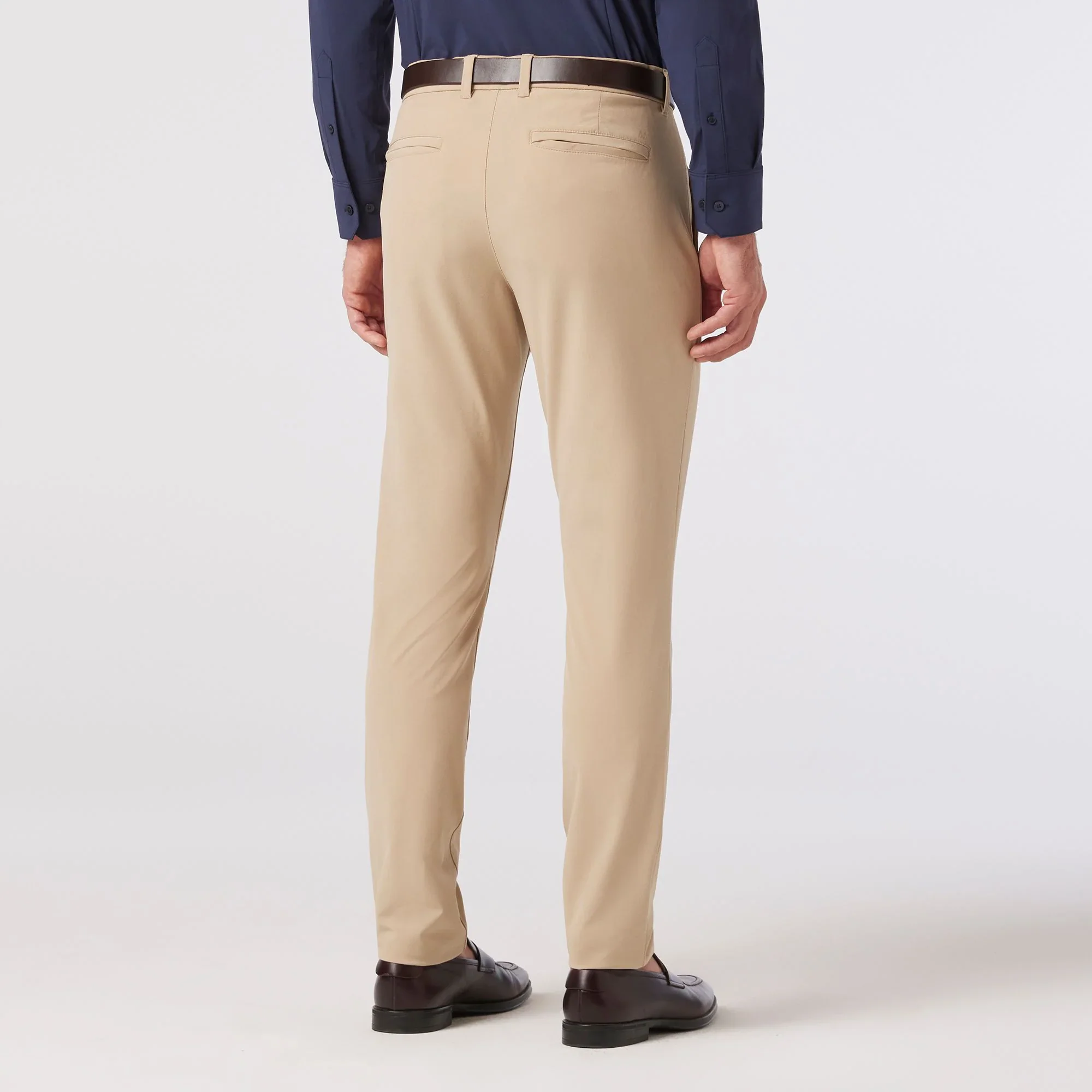
Vintage Revival: High-end designers are collaborating with mainstream brands to create premium chinos that blend classic silhouettes with modern construction techniques. There’s a nostalgic return to heavier-weight fabrics (10-12 oz) that develop character over time, moving away from thin, stretchy imitations.
Color Expansion: While classic khaki remains popular, contemporary chinos come in virtually every color imaginable—from subtle navy and olive to bold burgundy, coral, and even patterned variations.
How Fashion Icons Wear Chinos
Celebrity Style Inspiration
From my observations following fashion trends, celebrities consistently demonstrate chinos’ versatility:
David Beckham frequently showcases how to elevate chinos for upscale occasions, pairing them with tailored blazers and premium leather shoes. His approach proves that chinos can hold their own in sophisticated settings without sacrificing comfort.


Harry Styles takes a more eclectic route, mixing chinos with everything from casual band tees to statement blazers, proving these trousers adapt to diverse personal styles. His fashion choices reflect chinos’ chameleon-like ability to shift between casual and elevated aesthetics.
According to Dockers’ style analysis, athletes like Dwyane Wade demonstrate how chinos transition seamlessly from courtside to street style, while actors like Ranbir Kapoor show their place in red-carpet fashion.
Model and Runway Presence
Contemporary fashion shows regularly feature chinos in innovative contexts. During recent fashion weeks, designers have styled chinos with:
- Oversized blazers and chunky sneakers for modern streetwear vibes
- Silk shirts and loafers for refined summer elegance
- Cropped lengths paired with statement boots for avant-garde looks
- Monochromatic outfits that emphasize texture and tailoring
Models like Chinese fashion influencers have embraced chinos as part of the emerging “clean fit” aesthetic—minimalist, logo-free basics that emphasize quality and cut over branding.
Styling Your Chinos: Practical Advice from Experience
The Casual Weekend Look
For relaxed weekend wear, I’ve found that the key is balancing chinos’ inherent polish with deliberately casual elements:
- Classic combination: Light khaki chinos + white crew-neck t-shirt + clean white sneakers or canvas shoes
- Elevated casual: Navy chinos + chambray shirt + suede desert boots
- Contemporary edge: Olive chinos + graphic tee + leather jacket + high-top sneakers
The beauty of chinos lies in their ability to make even simple outfits appear intentional and put-together.
Smart-Casual Office Wear
Chinos excel in modern workplace environments where traditional business attire feels too formal:
- Professional polish: Charcoal chinos + light blue Oxford shirt + brown leather belt and shoes
- Business casual: Beige chinos + patterned button-down + loafers + optional blazer
- Creative office: Burgundy chinos + turtleneck + Chelsea boots
From my sourcing experience, I recommend investing in mid-weight chinos (7-9 oz fabric) for office wear—they maintain structure throughout long workdays without feeling stiff.
Date Night and Evening
For evening occasions, darker chinos offer sophistication without the formality of dress pants:
- Dinner date: Black or deep navy chinos + fitted white shirt + leather dress shoes + minimalist watch
- Cocktail casual: Dark khaki chinos + patterned shirt + tailored blazer + dress boots
- Modern elegance: Charcoal chinos + merino wool sweater + loafers + leather jacket
Seasonal Styling
Spring/Summer: Opt for lighter colors (stone, light khaki, pale blue) in breathable cotton. Roll the cuffs for a relaxed summer vibe. Pair with linen shirts, polo shirts, or lightweight knits.
Fall/Winter: Choose darker, richer tones (olive, burgundy, charcoal) in heavier fabrics. Layer with sweaters, blazers, and structured coats. Flannel-lined chinos offer extra warmth without bulk.
Choosing Quality Chinos: Sourcing Insights
Fabric Matters
Through years of working with textile manufacturers, I’ve learned that fabric quality determines longevity:
Weight: Look for 7-12 oz fabrics. Lighter weights (under 7 oz) tend to be flimsy and lose shape quickly. Heavier weights (over 12 oz) can feel restrictive.
Cotton content: Pure cotton chinos develop the best patina but may wrinkle easily. Cotton blends with 2-5% elastane offer stretch and wrinkle resistance while maintaining breathability.
Weave density: Tighter weaves mean more durable chinos that resist pilling and maintain structure.
Fit Guidelines
The perfect fit varies by body type, but general principles apply:
- Rise: Mid-rise (sitting 1-2 inches below natural waist) works for most body types and creates balanced proportions
- Thigh: Should allow comfortable movement without excess fabric
- Taper: A gentle taper from knee to ankle creates modern silhouettes without skinny-jean tightness
- Length: Should hit at the top of your shoe or slightly break at the front
According to style experts, slim men should avoid skinny-fit chinos, opting instead for slim-straight or regular fits that provide structure without emphasizing lean frames.
Construction Details
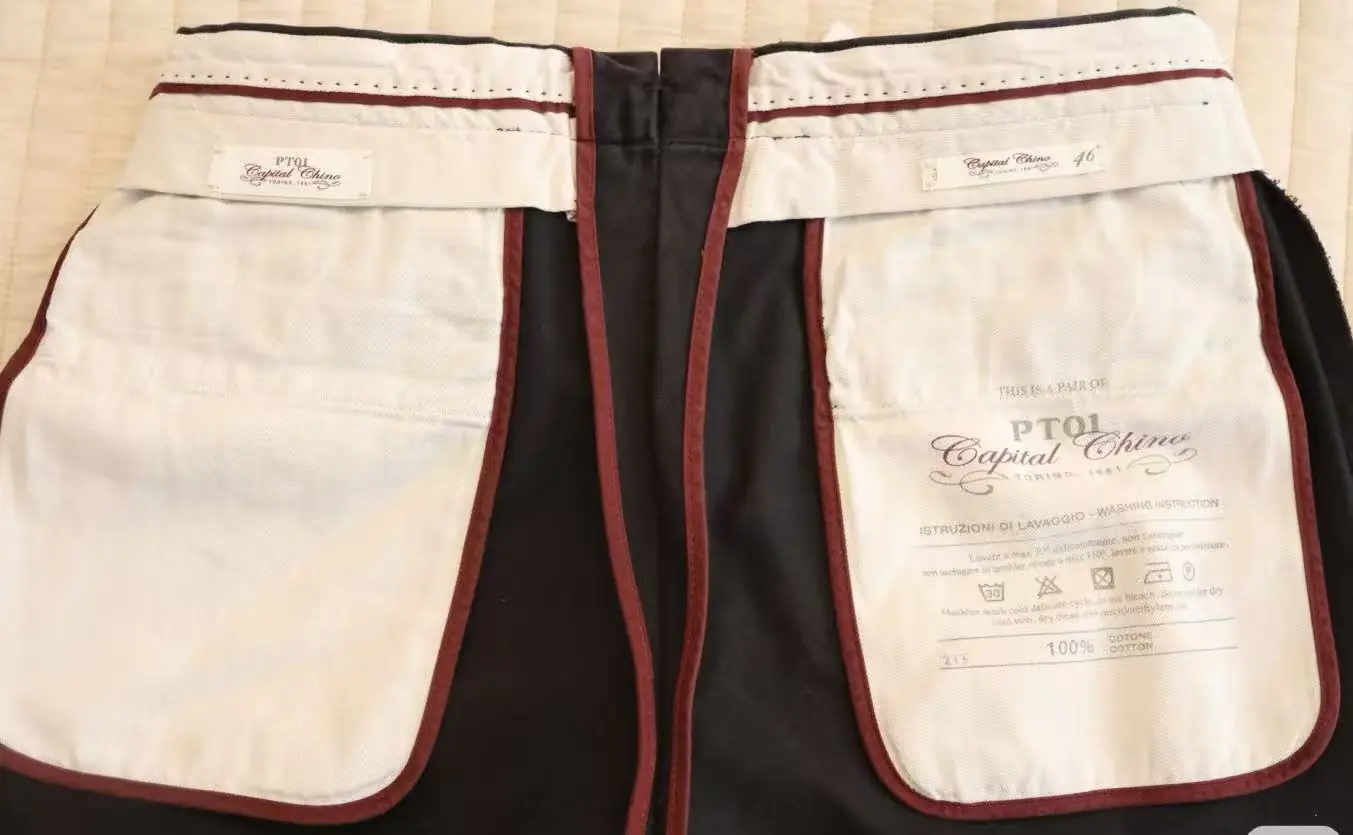
Quality chinos feature:
- Reinforced stitching at stress points
- Sturdy button closures and zipper construction
- Bar-tacked belt loops
- Clean interior seams
- Proper pocket construction (not flimsy linings)
Caring for Your Chinos
Washing Best Practices
Based on my experience with various chino qualities:
Frequency: Wash every 4-5 wears unless visibly soiled. Frequent washing fades color and breaks down fabric faster.
Method:
- Turn inside out to preserve color
- Wash in cold water with similar colors
- Use mild detergent; avoid harsh chemicals
- Skip the dryer when possible—air drying maintains fit and prevents shrinkage
Stain treatment: Address stains immediately with spot cleaning rather than full washes.
Storage and Maintenance
Proper storage extends chino lifespan:
- Hang chinos by the cuffs or fold along the natural crease
- Allow them to air out between wears
- Steam or iron on low heat if needed
- Rotate pairs regularly to prevent excessive wear
The Sourcing Perspective: Why Quality Varies
Having worked extensively with manufacturers in China—the very region that gave chinos their name—I’ve observed how production methods impact final quality:
Premium manufacturers invest in:
- Superior cotton sourcing (often organic or sustainable)
- Advanced dyeing techniques that ensure color fastness
- Precise pattern cutting that minimizes fabric waste
- Quality control at multiple production stages
Budget options often cut corners through:
- Lower-grade cotton blends
- Thinner fabrics that compromise durability
- Less attention to fit consistency
- Minimal finishing details
This doesn’t mean affordable chinos can’t be good—many mid-range brands offer excellent value by optimizing production efficiency while maintaining quality standards. Understanding these distinctions helps consumers make informed purchasing decisions.
Chinos vs. Other Trousers: Key Differences
Chinos vs. Khakis
While often used interchangeably, distinctions exist:
- Khakis: Typically heavier fabric, pleated front, boxier fit, exclusively earth-tone colors
- Chinos: Lighter twill, flat front, slimmer fit, available in varied colors
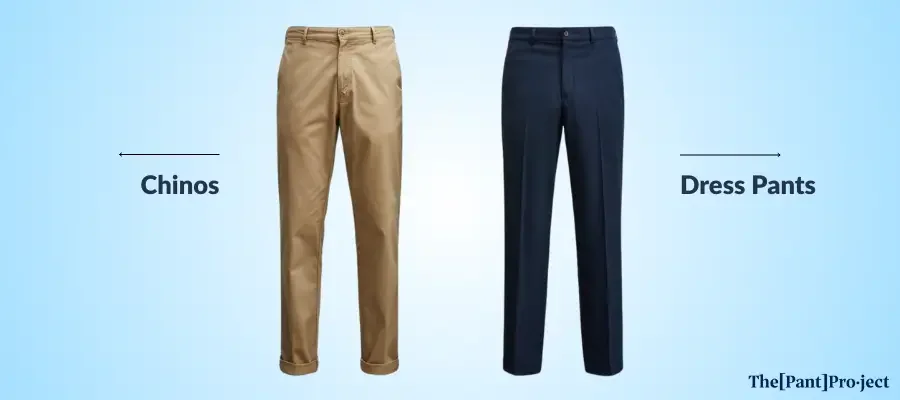
Chinos vs. Dress Pants
- Dress pants: Finer fabrics (wool blends), formal occasions, limited color range
- Chinos: Cotton twill, smart-casual to casual, broader color palette
Chinos vs. Jeans
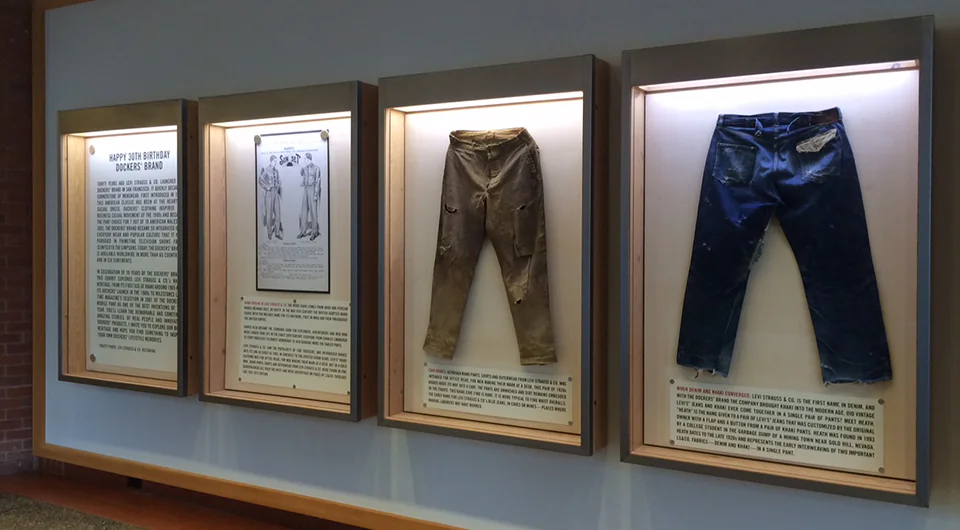
- Jeans: Heavier denim, more casual, rugged aesthetic, less formal versatility
- Chinos: Lighter cotton twill, dressier appearance, smoother texture, easier to elevate
Why Chinos Remain Essential
After years of observing fashion trends and consumer preferences, chinos’ enduring popularity makes perfect sense:
Versatility: Few garments transition as seamlessly across contexts—from casual brunches to office meetings to dinner dates.
Comfort: Lighter than jeans, more relaxed than dress pants, chinos offer all-day wearability without compromising style.
Timelessness: Unlike trend-driven pieces that quickly feel dated, quality chinos remain stylish year after year.
Value: A well-made pair of chinos provides years of service, making them cost-effective despite initial investment.
Accessibility: Available at every price point from budget-friendly to luxury, chinos fit any budget.
The Future of Chinos
Looking ahead, I expect chinos to continue evolving while maintaining their core appeal:
Sustainability focus: Increasing demand for organic cotton, recycled materials, and ethical production practices will drive innovation in eco-friendly chino manufacturing.
Technical fabrics: Integration of performance features (moisture-wicking, stretch, odor-resistance) without sacrificing classic aesthetics.
Inclusive sizing: Broader size ranges and fit options accommodate diverse body types.
Gender fluidity: More brands offering chinos in unisex or women’s fits as gender boundaries in fashion continue to dissolve.
Making Chinos Work for You
Whether you’re building a capsule wardrobe or expanding your existing collection, chinos deserve consideration. My recommendation: start with two pairs in versatile neutrals (navy and khaki), ensuring proper fit through alterations if necessary. From there, experiment with different colors, weights, and styles based on your lifestyle needs.
Remember that chinos represent more than just pants—they embody over a century of fashion evolution, cultural significance, and practical design. Every pair carries echoes of military innovation, Ivy League elegance, Hollywood glamour, and contemporary street style.
Frequently Asked Questions
Q: What’s the difference between chinos and khakis?
A: While terms are often used interchangeably, khakis traditionally refer to heavier, pleated trousers in earth-tone colors, whereas chinos are lighter-weight, flat-front pants available in various colors. Both use cotton twill fabric, but chinos offer a slimmer, more modern silhouette.
Q: Can I wear chinos to a formal event?
A: Chinos suit smart-casual and business-casual settings but are generally too casual for black-tie or formal events. For weddings, galas, or formal business meetings, opt for dress pants or slacks instead. However, well-tailored dark chinos can work for semi-formal occasions when paired appropriately.
Q: How should chinos fit?
A: Proper-fitting chinos sit at or slightly below your natural waist, provide comfortable room through the thighs without excess fabric, feature a gentle taper to the ankle, and reach the top of your shoes. The leg opening should be clean without being skin-tight.
Q: What colors should I buy first?
A: Start with classic khaki (sandy tan) and navy—these versatile neutrals pair with virtually everything in your wardrobe. From there, consider olive, charcoal, or burgundy for variety. Avoid trendy colors until you’ve established foundational pairs.
Q: Are expensive chinos worth it?
A: Quality chinos last significantly longer and maintain their appearance better than cheap alternatives. Mid-range options often provide the best value, offering good construction without luxury pricing. Invest in at least one premium pair for important occasions, supplemented by affordable everyday options.
Q: How many pairs of chinos should I own?
A: A functional wardrobe includes 3-5 pairs: two neutrals (khaki and navy) for maximum versatility, plus 1-2 additional colors matching your personal style and lifestyle needs. Rotate pairs to extend longevity.
Q: Can women wear chinos?
A: Absolutely! Many brands now offer chinos designed specifically for women’s body shapes, and unisex styles work well too. Women’s chinos often feature higher rises and different proportions while maintaining the classic chino aesthetic.
Q: How do I prevent chinos from wrinkling?
A: Choose chinos with small percentages of synthetic fibers (2-5% elastane or polyester) for natural wrinkle resistance. Hang chinos immediately after wearing, steam rather than iron when possible, and avoid leaving them crumpled in hampers or luggage.
Q: Should chinos be cuffed or hemmed?
A: This depends on personal preference and proportions. Cuffing works well for casual looks and adds visual interest, while hemmed chinos offer cleaner lines for professional settings. If cuffing, keep rolls to 1-1.5 inches for best proportion.
Q: What’s the best way to break in new chinos?
A: Wear new chinos around the house for a few hours before debuting them publicly. Wash once before first wear to remove sizing chemicals and allow fabric to relax. Quality cotton chinos become softer and more comfortable with each subsequent wash.

Ivy is a Sourcing Specialist at Sellers Union. She shares hands-on experience in supplier selection, quality control, and market trends to help global wholesalers make informed decisions. Her goal is to simplify the sourcing process and help brands build efficient supply chains in the industry.