




In the interconnected world of global commerce, product sourcing from China has become an indispensable strategy for businesses seeking to reduce costs, increase margins, and scale operations. From high-volume wholesalers to Amazon FBA sellers and emerging DTC brands, companies across the globe are turning to China as the world’s most comprehensive manufacturing hub.
But while the opportunities are immense, so are the challenges. Navigating factory negotiations, quality assurance, shipping logistics, and legal compliance across borders can be daunting. This guide will walk you through every critical step of sourcing products in China, arming you with the knowledge to build a resilient and profitable supply chain.

1. Why Source Products from China?
Over the past 30 years, China has transformed itself into the world’s factory floor. The country’s ability to produce goods at scale—combined with an infrastructure optimized for global export—makes it uniquely suited for efficient and cost-effective manufacturing.
Key reasons businesses opt for product sourcing from China obejmują:
- Cost Efficiency: Labor and material costs are generally lower compared to Western countries.
- Wide Product Range: From home goods to electronics, apparel to toys, nearly every product category is covered.
- Mature Supply Chains: Clusters of specialized factories can rapidly respond to large or custom orders.
- Customization & OEM Capabilities: Most factories accept OEM/ODM orders, allowing full control over design, packaging, and branding.
- Export-Friendly Policies: Port infrastructure, trade zones, and freight networks are geared for international shipping.
For startups, established brands, or even supermarkets, China offers a scalable gateway to efficient sourcing—if you know how to navigate it.
2. Top Product Categories Sourced from China
While China is a source for virtually all goods, some categories offer particularly strong sourcing advantages:
- Elektronika użytkowa: Shenzhen is the global epicenter for electronics—from Bluetooth headphones to smartwatches.
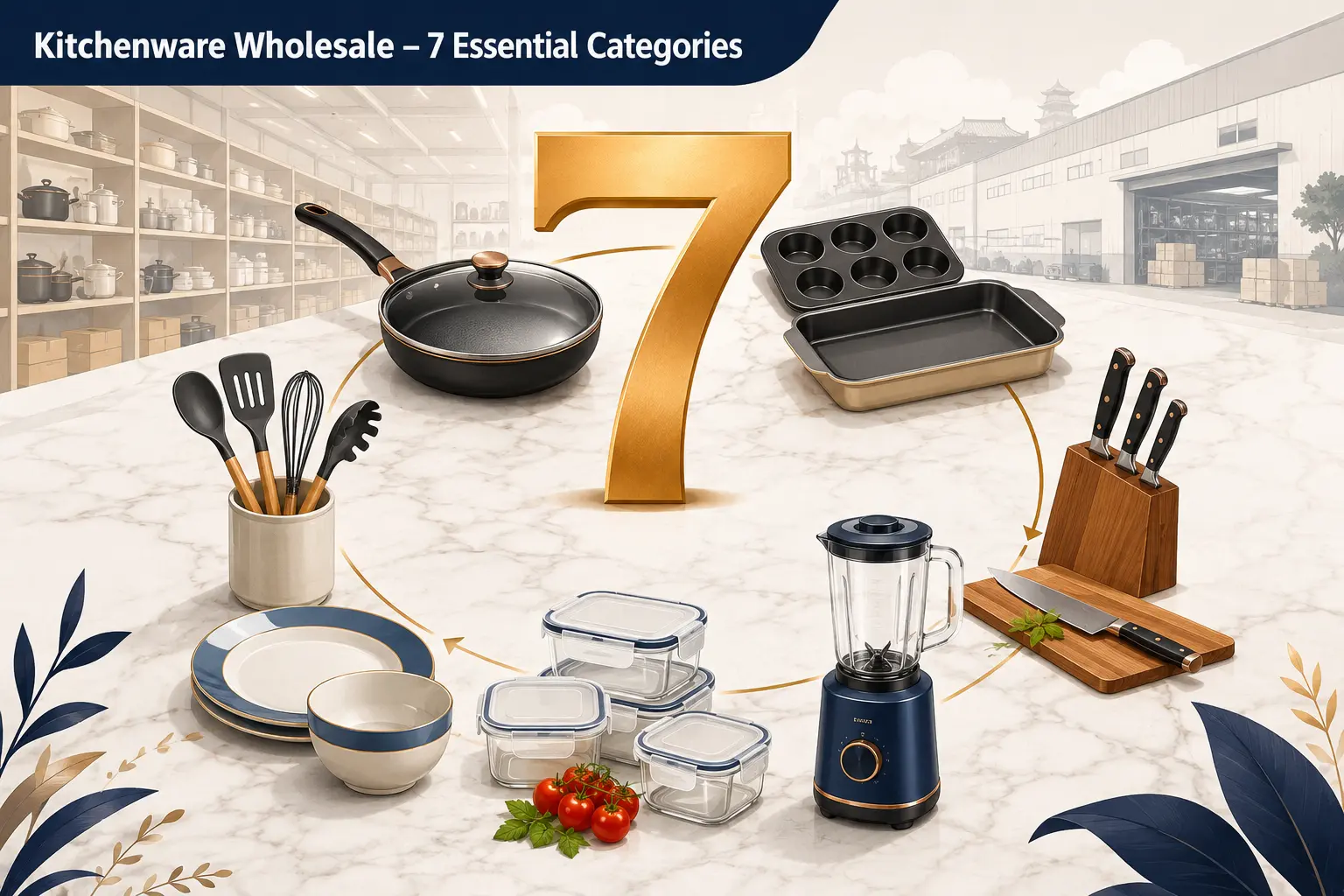
- Home & Kitchen Items: Yiwu, Ningbo, and Shantou specialize in daily-use household goods.
- Apparel & Textiles: Guangzhou, Shaoxing, and Wenzhou are leading hubs for fashion, footwear, and fabrics.
- Toys & Stationery: Chenghai and Yiwu offer unmatched variety for low-cost, high-volume gifting products.
- Promotional Products: Everything from mugs and pens to customized giveaways can be sourced quickly and cheaply.
- Tools & Hardware: Yongkang and Taizhou are renowned for power tools and metal products.
The secret lies in matching your niche with the right industrial region—each one with unique strengths, specialties, and pricing strategies.
3. How to Find Reliable Suppliers in China
A successful sourcing journey begins with selecting the right supplier. Your options generally fall into four paths:
- Online B2B Platforms:
Alibaba: Ideal for large MOQs, custom products, and factory contact.
1688.com: A domestic version of Alibaba with lower prices, but requires fluent Chinese.
Global Sources / Made-in-China: Trusted by seasoned importers, offering factory verifications and product trends.
- Trade Shows:
Targi w Kantonie: Held in Guangzhou, it’s China’s largest trade fair, covering nearly every category.
Hong Kong Gifts & Premium Fair: Especially good for branded promotional products.
- Agenci zaopatrzenia:
Working with a sourcing agent in cities like Yiwu, Ningbo, or Shenzhen can localize your search, negotiate better, and manage follow-up.
- Factory Visits:
For large-volume or long-term partnerships, nothing beats walking the production floor yourself.
3. Should You Work with a China Sourcing Agent?
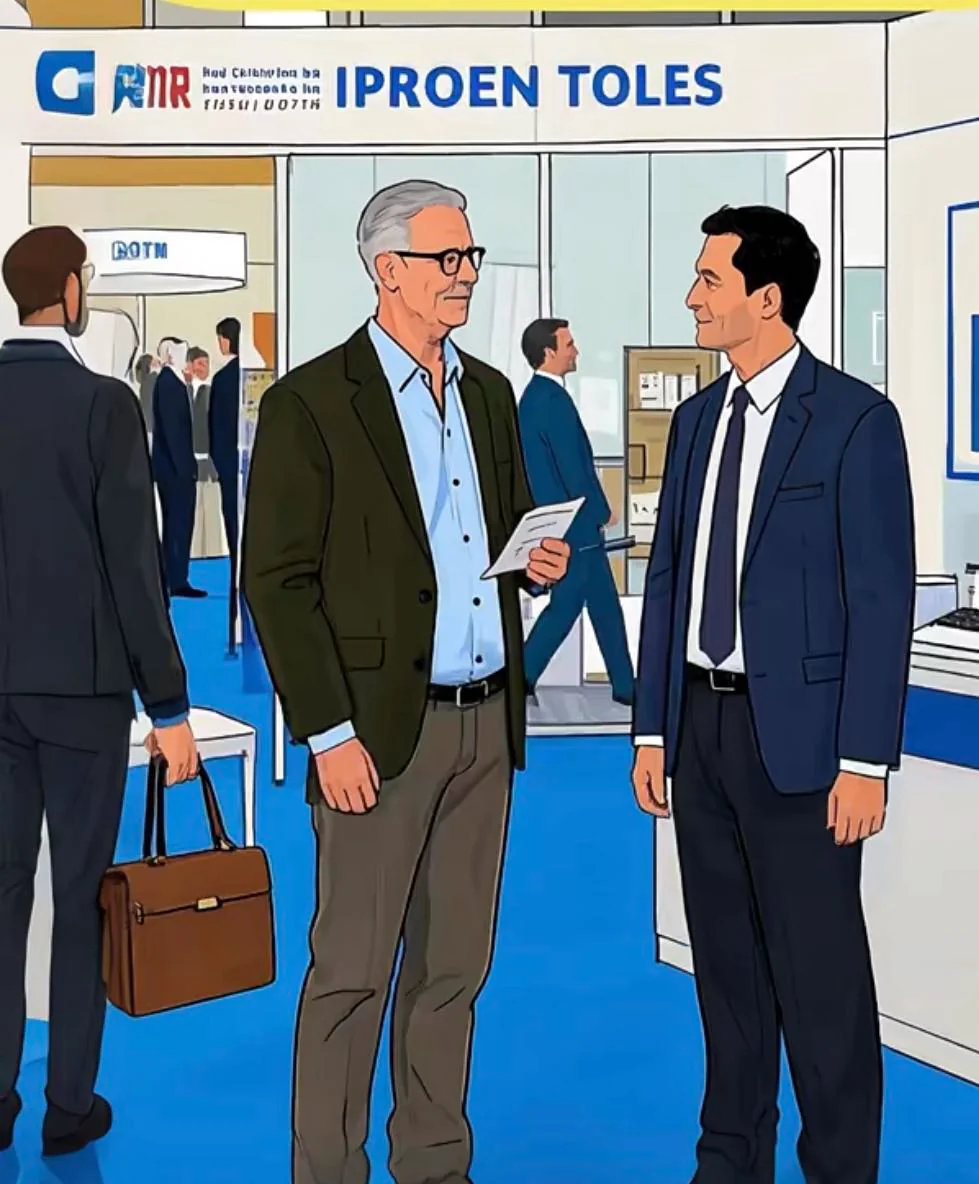
For many companies—especially those new to importing from China—a sourcing agent can be a game-changer. Here’s why:
- Language Bridge: They communicate fluently with both parties.
- Nawigacja po rynku: They know where to find the right suppliers, fast.
- Negotiation Support: They understand pricing psychology and can push for better deals.
- Quality Control & Inspection: Many agents offer or coordinate third-party QC services.
- Consolidation & Logistics: They can arrange warehousing, bundling, or combined shipments from multiple vendors.
Choosing a good agent means checking references, verifying licenses, and understanding their fee structure—many work on commission or fixed project rates.
4. Product Development and Customization
If you’re sourcing private-label goods, customization becomes a key step. The typical product development flow in China includes:
- Spec Sheet Submission: Send drawings, dimensions, materials, and certifications required.
- Pobieranie próbek: Initial prototypes are developed, often charged at cost or refundable.
- Tooling / Molding: For new products, custom molds may be needed, often costing $500–$5,000+.
- Pre-Production Sample (PPS): Final sample approval before mass production.
Factories expect buyers to be clear, consistent, and timely. Changes after sampling may incur delays or added costs.
5. Quality Control: Don’t Skip It
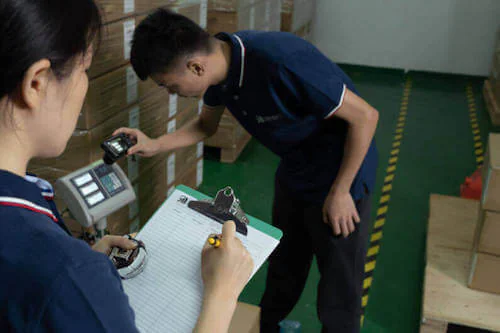
Without proper checks, even the best-looking samples can turn into a shipment of problems. Key strategies include:
- Factory Audit: Conducted before you commit, to evaluate the factory’s real capacity.
- Inline Inspections: Done mid-production to spot issues early.
- Pre-shipment Inspection (PSI): 100% critical before payment and dispatch.
- Third-Party Agencies: Trusted firms like SGS, Bureau Veritas, or AsiaInspection provide independent verification.
Include detailed inspection criteria in your PO agreement—color, weight, packaging, labeling, etc. Don’t rely on verbal promises.
6. Understanding China Shipping & Logistics
Once your goods are ready, the next phase is export. Shipping from China involves these key decisions:
- Shipping Terms:
- EXW: Buyer handles everything.
- FOB: Factory delivers to port; buyer handles onward.
- DDP: All-inclusive shipping to your warehouse.
- Shipping Modes:
- Fracht morski: Cost-effective for large orders.
- Fracht lotniczy: Faster but expensive.
- Rail Freight: Rising option for EU-bound cargo.
- Freight Forwarder or Agent:
- Choose experienced forwarders with global tracking, customs clearance support, and consolidation services.
Shipping delays often result from unclear documents. Ensure your commercial invoice, packing list, and shipping marks are correct.
7. Legal and Regulatory Considerations
Compliance with destination country regulations is critical:
- Labeling Requirements: Symbol znaku CE , FCC, FDA, RoHS, etc.
- IP Protection: Register trademarks in both your home country and China.
- Contracts: Use bilingual POs and manufacturing agreements. Chinese versions prevail in court.
Consider hiring a China-based attorney for high-value deals or when developing exclusive IP.
Risks of Product Sourcing from China (And How to Avoid Them)
Despite its advantages, product sourcing from China comes with risks:
- Scams: Fake factories or bait-and-switch tactics.
- Inconsistent Quality: Especially if you skip inspections.
- Delays: From production or customs clearance.
- MOQ Surprises: Low quotes often require large orders.
Risk Mitigation Tips:
- Vet suppliers via multiple channels.
- Never skip third-party inspections.
- Start with small trial orders.
- Use escrow or trade assurance platforms.
- Maintain constant communication during production.
Building a Long-Term Sourcing Strategy
Success in China sourcing isn’t about one-off deals. It’s about building a system:
- Track Everything: Use sourcing CRMs or tools like Trello/Notion to manage SKUs and supplier feedback.
- Develop Key Relationships: Loyalty goes a long way—especially in tight timelines.
- Diversify Supply Chain: Avoid over-reliance on one factory.
- Schedule Regular Visits: Even once per year strengthens trust.
If you’re scaling, consider hiring a China-based sourcing manager or establishing a representative office.
8. Conclusion: Turn Product Sourcing from China into a Competitive Advantage
Done right, product sourcing from China unlocks massive cost advantages, product innovation opportunities, and brand growth. But it’s not just about finding cheap goods—it’s about building a reliable and efficient supply ecosystem that supports your business goals.
Whether you’re a solo Amazon seller or a multinational brand, success depends on:
- Knowing your product and niche
- Vetting the right suppliers
- Maintaining quality at scale
- Managing shipping and compliance
- Creating sustainable relationships
If the sourcing process still feels overwhelming, consider partnering with an experienced China sourcing agent or on-the-ground procurement team to get your product sourcing from China. With the right support, China becomes not just a factory—but a force multiplier for your business.
Ready to simplify your sourcing journey? Reach out to our team for tailored support and on-the-ground sourcing solutions from China.

Ivy is a Sourcing Specialist at Sellers Union. She shares hands-on experience in supplier selection, quality control, and market trends to help global wholesalers make informed decisions. Her goal is to simplify the sourcing process and help brands build efficient supply chains in the industry.