




Have you ever found a beauty product selling well online, only to discover that your supplier couldn’t maintain consistent quality or delivery times?
Many importers face this problem when sourcing Beauty And Personal Care products. A supplier may offer attractive prices at first, but hidden issues such as poor quality control, low customization capabilities, or unexpected shipping costs can quickly reduce profits.
That’s why more global buyers are turning to China. With its mature supply chain, competitive manufacturing costs, and strong OEM and private label capabilities, China has become one of the leading sourcing destinations for beauty tools, cosmetic accessories, and bulk personal care items.
In this guide, you’ll discover 7 practical tips for sourcing Beauty And Personal Care products from China. We’ll cover supplier selection, compliance, pricing, quality control, custom label skincare manufacturing, logistics, and the latest market trends to help you source with confidence.
Key Takeaways
- China offers competitive pricing, strong OEM/ODM capabilities, and a mature supply chain for Beauty And Personal Care products.
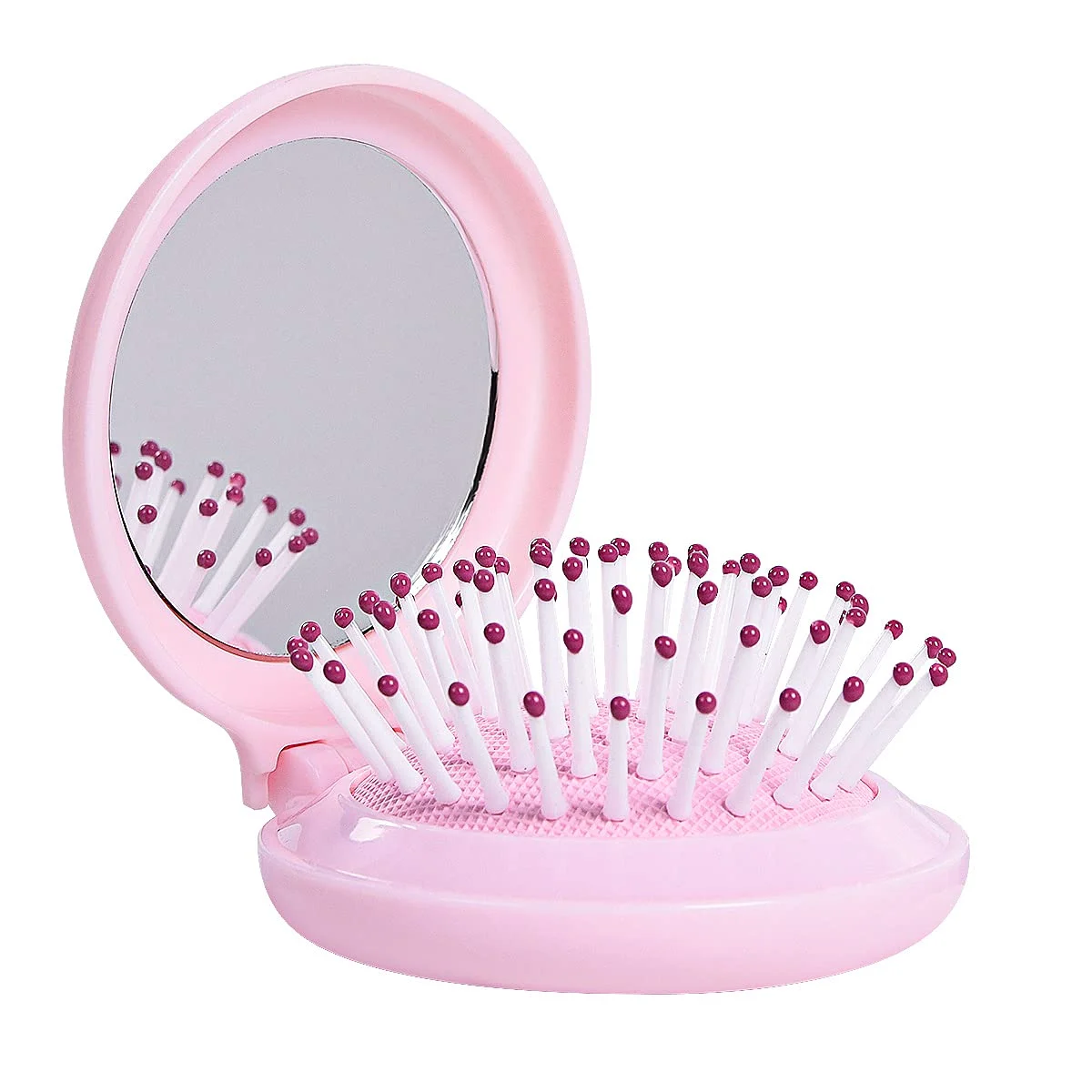
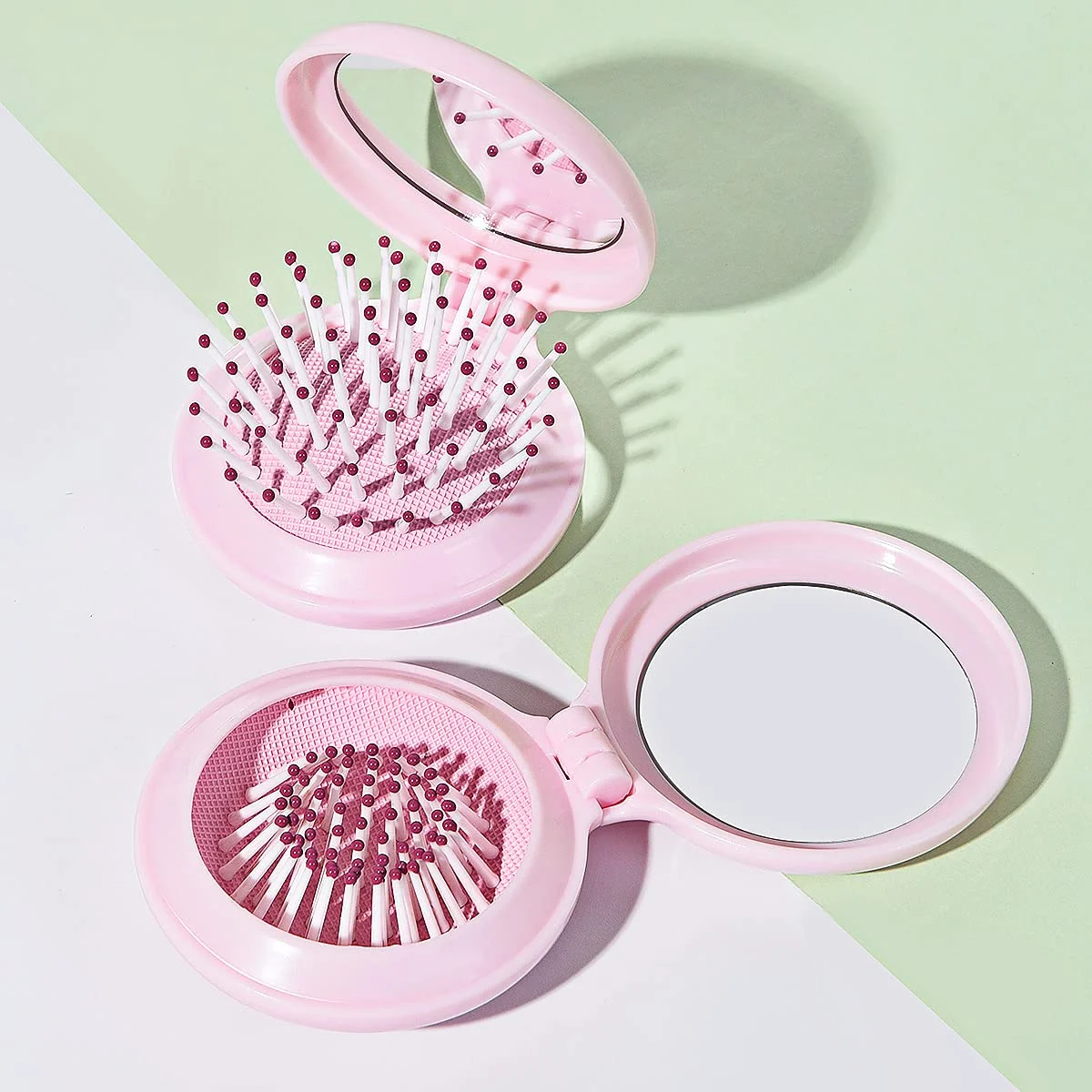
- Popular categories include hair styling tools, facial tools, skincare tools, cosmetic brushes, makeup organizers, beauty accessories, and nail tools.
- Supplier verification, compliance checks, and quality control are essential before placing bulk orders.
- Private label and custom branding can help importers build higher-margin beauty brands.
- Understanding total landed costs, including packaging, inspections, and shipping, is key to protecting profit margins.
- Working with experienced sourcing partners can simplify supplier management and international logistics.
Why China Dominates the Global Beauty And Personal Care Supply Chain
China offers a highly developed manufacturing ecosystem for beauty and personal care products. Suppliers can provide OEM, ODM, and private label services, allowing buyers to source standard products or develop their own brands. Many factories also support custom packaging, logo printing, and low-MOQ production, making China attractive to both large importers and growing businesses.
Another advantage is supply chain integration. Product development, raw material sourcing, packaging production, quality control, and export services can often be managed through a single supplier network.
Major Beauty Manufacturing Hubs in China
1. Guangzhou: China’s Beauty Manufacturing Center
Guangzhou is widely recognized as the country’s largest beauty manufacturing hub. The city is home to thousands of cosmetics factories, packaging suppliers, testing laboratories, and OEM/ODM manufacturers.
2. Yiwu: The Hub for Beauty Tools and Accessories
Yiwu is best known for small commodities and beauty accessories. Buyers can source a wide range of products, including cosmetic brushes, makeup organizers, beauty accessories, nail tools, facial tools, and skincare tools. The city’s extensive supplier network makes it especially suitable for importers looking for product variety and flexible order quantities.
3. Shenzhen: Innovation and Beauty Devices
Shenzhen is known for electronics and product innovation. Many suppliers in this region focus on electronic beauty devices, facial cleansing tools, LED beauty products, and other technology-driven personal care products.
Beauty And Personal Care Products Worth Importing
When choosing products to import, buyers should focus on categories with steady demand, repeat purchases, and strong customization potential.
Popular Beauty Product Categories
| Product Category | Popular Products |
| Hair Styling Tools | Hair brushes, combs, curlers, hair clips |
| Facial Tools | Jade rollers, gua sha tools, facial massagers, cleansing brushes |
| Skincare Tools | Silicone brushes, applicators, cleansing devices, skincare accessories |
| Cosmetic Brushes | Foundation brushes, powder brushes, makeup brush sets, travel kits |
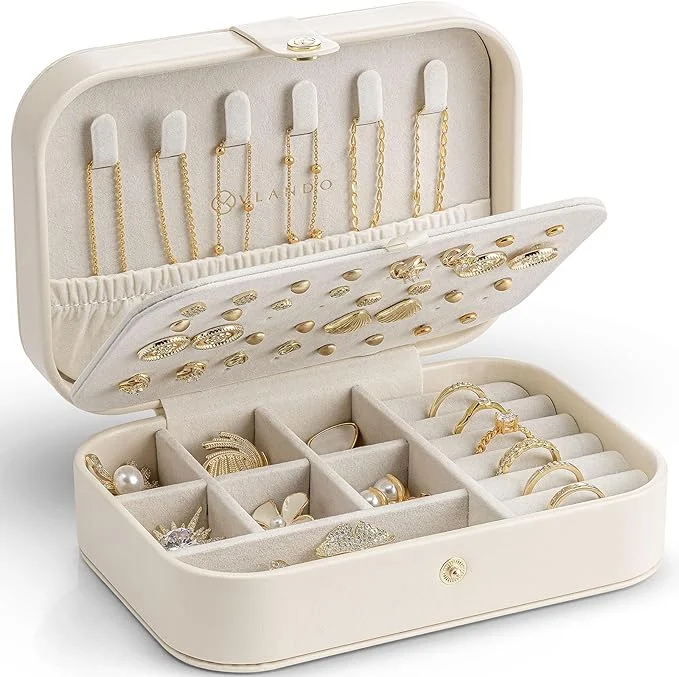
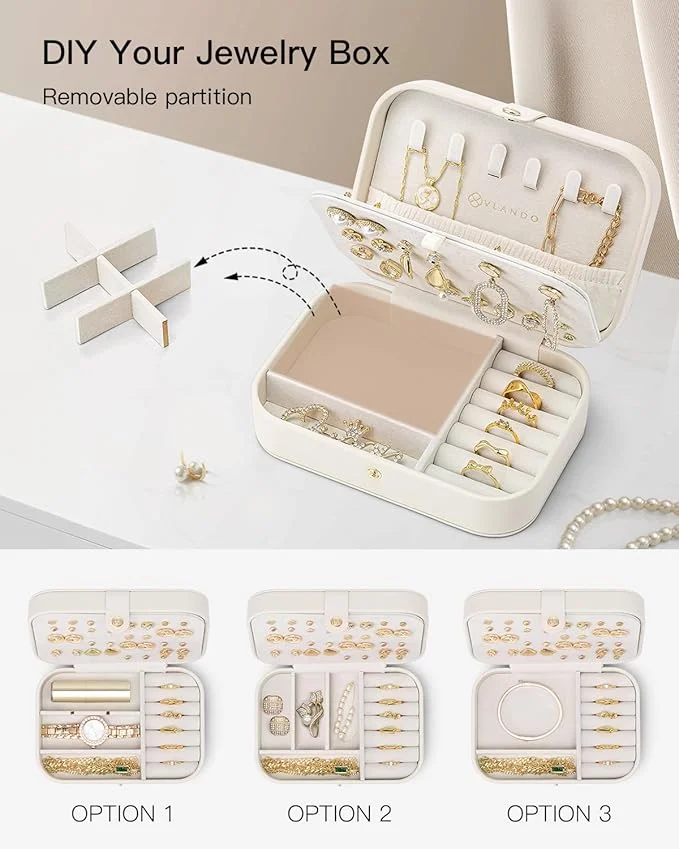
| Makeup Organizers | Acrylic organizers, cosmetic storage boxes, drawer organizers |
| Beauty Accessories | Makeup sponges, mirrors, headbands, cosmetic bags |
| Nail Tools | Manicure sets, nail files, cuticle tools, nail art accessories |
Pro Tip #1: Understand Different Supplier Types Before You Buy
Factory vs Sourcing Agent
| Supplier Type | Najlepsze dla | Main Advantages | Potential Limitations |
| Factory | Large-volume buyers | Lower unit costs, direct production control | Higher MOQs, limited product range |
| Agent zaopatrzenia | Importers needing full sourcing support | Supplier verification, quality control, shipping coordination | Service fees may apply |
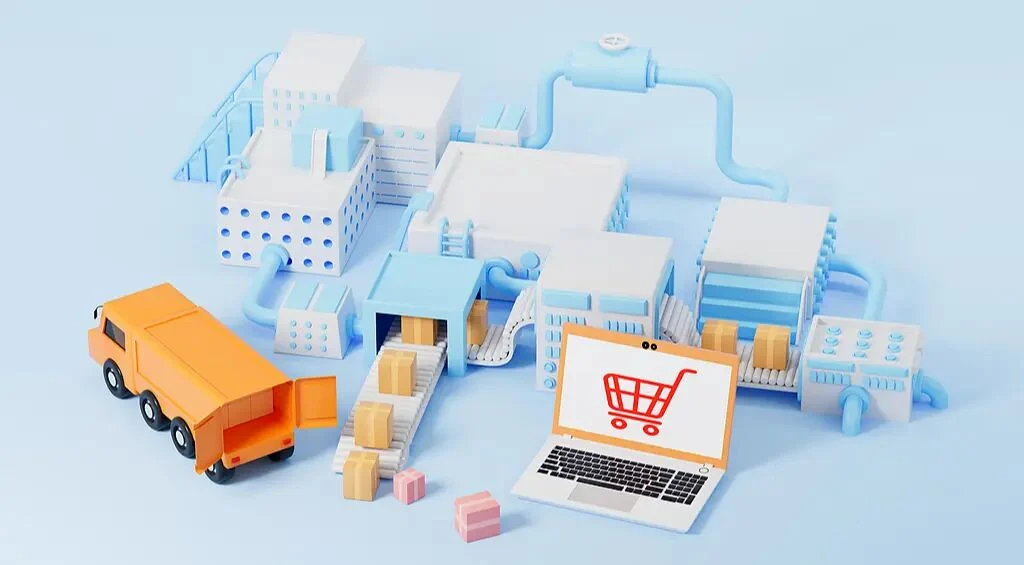
Factories are often the best option for buyers with stable demand and large order volumes. They usually offer better pricing and stronger customization capabilities.
Sourcing agents act as local partners in China. They help buyers identify suppliers, negotiate prices, monitor production, inspect products, and arrange shipping. This is especially useful for businesses that do not have a team on the ground in China.
Red Flags When Evaluating Suppliers
- Prices that are significantly lower than market averages
- Unclear company information or missing business licenses
- Slow or inconsistent communication
- Refusal to provide samples
- No product testing reports or certifications
- Limited export experience
A reliable supplier should be transparent about its capabilities, production process, and quality standards. Request samples whenever possible and verify company information before making a bulk purchase.
Pro Tip #2: Verify Compliance Before Placing Orders
Common Regulations Importers Should Know
Compliance requirements vary by market and product type.
For beauty tools and personal care accessories, common requirements may include:
- Product safety standards
- Material restrictions
- Chemical substance regulations
- Consumer product labeling rules
- Packaging compliance requirements
Importers should always verify the latest regulations with local authorities or compliance specialists before placing large orders.
Labeling Requirements
Depending on your market, labels may need to include:
- Product name
- Kraj pochodzenia
- Manufacturer or importer information
- Material information
- Usage instructions
- Safety warnings
Product Testing and Certifications
Some products may require testing or supporting documentation before they can be legally sold.
The required certifications depend on the product category and destination market.
For example, buyers may need:
- Material test reports
- Product safety reports
- Chemical compliance documentation
- Laboratory testing results
Pro Tip #3: Calculate Product Costs Beyond Factory Pricing
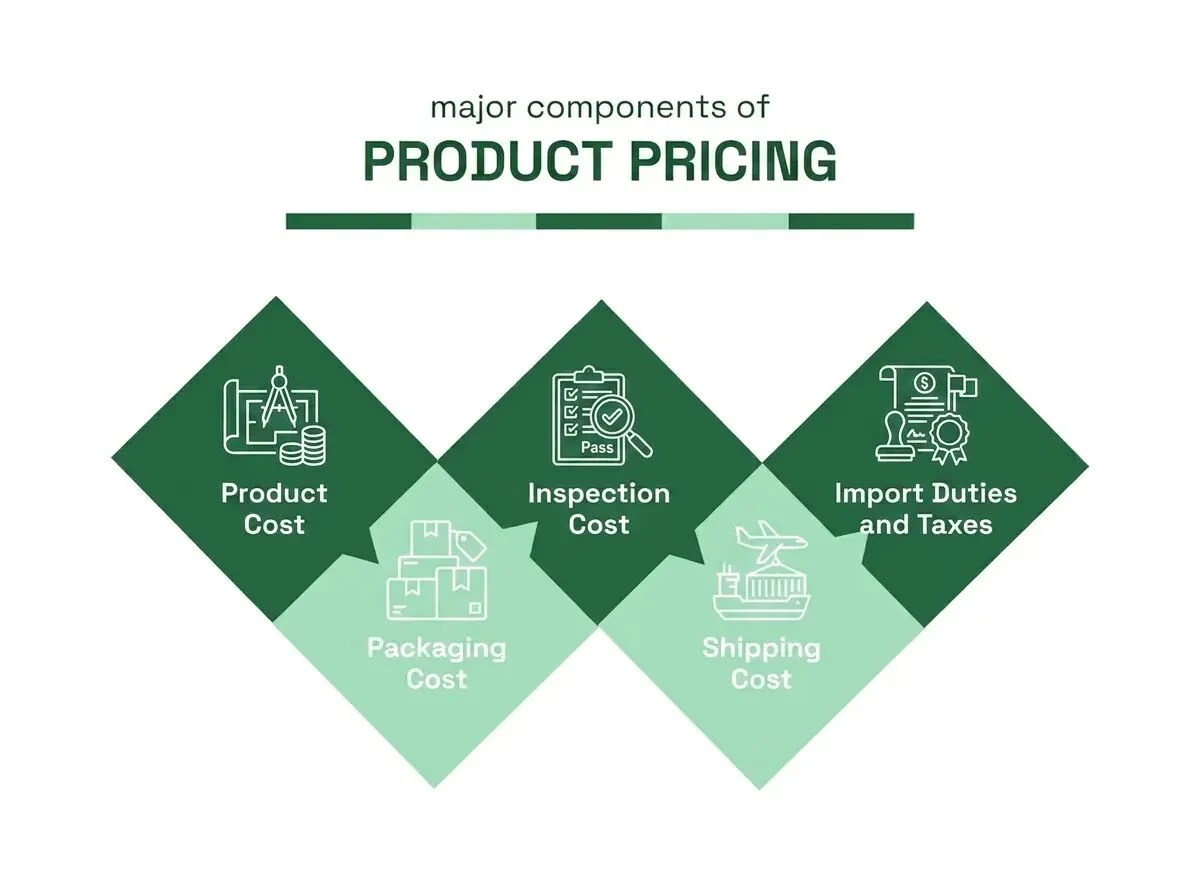
A product that appears cheaper at first may become more expensive after packaging, inspections, shipping, and import fees are added.
Product Cost
Product cost is the starting point of any sourcing calculation. This includes the factory price for the item itself.
Pricing is influenced by several factors:
- Product materials
- Design complexity
- Product size and weight
- Order quantity
- Customization requirements
When comparing suppliers, make sure you are comparing the same specifications.
Packaging Cost
- Product boxes
- Gift packaging
- Poly bags
- Instruction cards
- Barcode labels
- Custom logo printing
Inspection Cost
- Product quality checks
- Packaging inspections
- Quantity verification
- Function testing
Shipping Cost
- Product weight
- Product volume
- Shipping method
- Destination country
- Fuel and market conditions
Lightweight products such as cosmetic brushes and beauty accessories are generally more cost-effective to ship than larger items such as makeup organizers or electronic beauty tools.
Import Duties and Taxes
- Import duties
- Customs clearance fees
- VAT or sales tax
- Port handling charges
- Local delivery costs
These charges vary by country and product category, so it is important to check local regulations before importing.
Pro Tip #4: Leverage OEM, ODM and Private Label Opportunities
China’s beauty industry offers strong customization capabilities. Whether you want to launch a new brand, improve an existing product, or create exclusive packaging, many suppliers can support different levels of customization.
OEM Manufacturing
OEM (Original Equipment Manufacturing) is a model where the factory produces products based on your specifications.
In an OEM project, buyers typically have more control over:
- Product design
- Materials and ingredients
- Product features
- Packaging requirements
- Brand positioning
OEM is often suitable for established brands that want unique products and stronger market differentiation. However, it usually requires higher investment, longer development time, and larger order quantities.
ODM Manufacturing
ODM (Original Design Manufacturing) allows buyers to use products or concepts already developed by the manufacturer.
The supplier usually provides:
- Existing product designs
- Proven product concepts
- Manufacturing expertise
- Technical support
Buyers can then customize certain elements such as packaging, branding, colors, or selected product features. Compared with OEM, ODM generally offers a faster launch process and lower development costs.
Custom Label Skincare Manufacturing
For many importers, custom label skincare manufacturing provides a practical balance between speed and branding.
Under this model, manufacturers supply ready-made or semi-customized products while allowing buyers to add:
- Brand logos
- Custom labels
- Product packaging
- Marketing materials
- Retail-ready presentation
This approach is popular among Amazon sellers, distributors, beauty retailers, and startups because it reduces product development risks while still creating a unique brand identity.
Private Label vs OEM vs ODM
| Model | Customization Level | Time to Market | Typical MOQ | Najlepsze dla |
| Private Label | Low to Medium | Fast | Niski | New brands and market testing |
| ODM | Średni | Moderate | Średni | Growing brands seeking differentiation |
| OEM | Wysoki | Longer | Higher | Established brands with specific requirements |
Building Your Own Beauty Brand
Many successful beauty businesses begin with private label products and gradually move toward ODM or OEM as demand grows. This approach helps reduce risk while allowing brands to test products before making larger investments in product development.
When evaluating suppliers, ask about their OEM, ODM, and private label capabilities early in the sourcing process. A supplier that can support branding, packaging, product development, and future customization may become a valuable long-term partner as your Beauty And Personal Care business expands.
Pro Tip #5: Implement Quality Control at Every Stage
Common Quality Problems
- Loose or shedding brush bristles
- Scratches and surface defects
- Poor assembly quality
- Incorrect product dimensions
- Weak packaging
- Color inconsistencies
- Missing accessories
- Logo printing errors
Factory Audits
A factory audit is often the first step in quality management.
The purpose is to verify that the supplier has the capability to produce products consistently and meet your requirements.
A factory audit typically reviews:
- Production facilities
- Sprzęt produkcyjny
- Quality management systems
- Workforce capacity
- Export experience
Testowanie próbek
Product samples allow you to evaluate quality before production begins. They also help suppliers understand your expectations more clearly.
When reviewing samples, check:
- Materials
- Product appearance
- Functionality
- Packaging quality
- Logo placement
- Product dimensions
During Production Inspections
- Product consistency
- Manufacturing processes
- Packaging preparation
- Production progress
Pre-Shipment Inspections
A pre-shipment inspection is one of the most important quality control steps.
This inspection takes place when production is completed and the goods are packed but have not yet left the factory.
The inspection usually includes:
- Quantity verification
- Product appearance checks
- Function testing
- Packaging inspection
- Carton labeling verification
Pro Tip #6: Follow Emerging Beauty Product Trends
Consumer preferences change quickly in the beauty industry.
When sourcing Beauty And Personal Care products, it is important to look beyond current best-sellers and pay attention to emerging demand.
Organic Beauty Products Continue to Grow
Consumers are becoming more conscious about ingredients, sustainability, and product safety.
Popular products in this segment include:
- Natural skincare products
- Plant-based beauty accessories
- Eco-friendly personal care products
- Sustainable packaging solutions
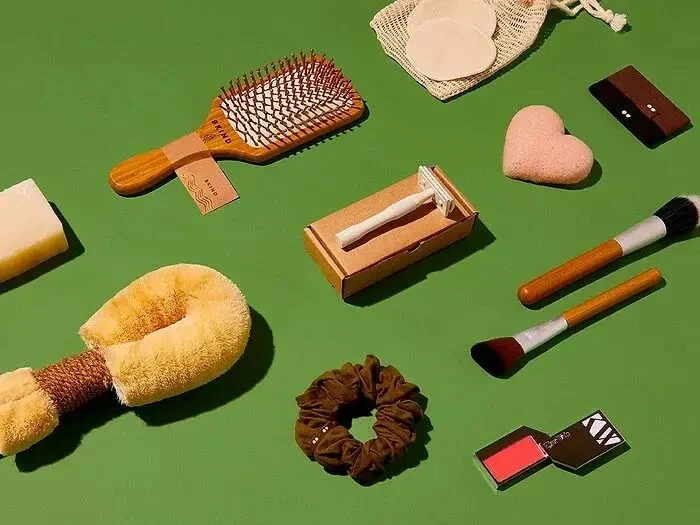
Sustainable Beauty Products Are Gaining Attention
Beauty brands are increasingly looking for:
- Reusable beauty tools
- Recyclable packaging
- Bamboo beauty accessories
- Plastic-free product alternatives
Importers who source environmentally friendly products may gain a competitive advantage in markets where sustainability is a growing concern.
Home Beauty Devices Are Expanding
Consumers are spending more on at-home beauty routines. This has created demand for products that help users achieve professional-style results without visiting a salon.
Popular examples include:
- Facial cleansing devices
- Facial massage tools
- LED beauty devices
- Hair styling tools
- Skincare accessories
Multi-Function Products Offer Better Value
Many buyers now prefer products that serve multiple purposes. These items can help consumers save time, space, and money.
Examples include:
- Facial tools with massage and cleansing functions
- Makeup organizers with storage compartments
- Beauty accessories designed for multiple applications
- Travel-friendly beauty kits
Use Trends to Guide Product Selection
Following trends does not mean chasing every new product. Instead, importers should focus on trends that align with their target market and business goals.
Before adding new products, consider:
- Consumer demand in your market
- Competition levels
- Profit margins
- Supplier capabilities
- Long-term growth potential
Pro Tip #7: Consolidate Suppliers and Optimize Logistics
Many importers source products from more than one supplier. For example, you may purchase cosmetic brushes from one factory, beauty accessories from another, and makeup organizers from a third supplier. While this approach provides more product options, it can also increase shipping costs and make logistics more difficult to manage.
Air Freight vs Sea Freight
| Shipping Method | Najlepsze dla | Zalety | Ograniczenia |
| Fracht lotniczy | Small orders, urgent shipments | Faster delivery, shorter lead times | Higher shipping costs |
| Fracht morski | Large-volume orders | Lower cost per unit, suitable for bulk shipments | Longer transit times |
| Kurier ekspresowy | Samples and small parcels | Fast and convenient | Most expensive option for large orders |
Many importers use air freight for sample orders and sea freight for regular inventory replenishment.
Consolidated Shipping Can Reduce Costs
Consolidated shipping combines products from different suppliers into one shipment before export. This helps reduce duplicate handling fees, improve space utilization, and lower overall logistics costs. Centralized warehousing also creates an opportunity to inspect products before they leave China.
Managing Multiple Suppliers Efficiently
Working with several suppliers can create challenges such as:
- Different production schedules
- Inconsistent communication
- Multiple shipping arrangements
- Quality variations between suppliers
- More paperwork and coordination
To reduce these risks, buyers should track production timelines, confirm packaging requirements early, and maintain clear communication with every supplier throughout the sourcing process.
How a Sourcing Agent Simplifies the Process
Many importers use a agent zaopatrzenia to manage supplier coordination and logistics. A sourcing agent can help consolidate products from multiple factories, arrange quality inspections, coordinate shipments, and prepare export documentation.
A sourcing agent can typically assist with:
- Supplier communication
- Production follow-up
- Quality inspections
- Warehouse consolidation
- Shipping coordination
- Dokumentacja celna
This approach is particularly useful for businesses sourcing a wide range of products or placing orders with multiple factories. Buyers can focus on growing their business while local teams handle day-to-day sourcing and logistics tasks.
FAQ: Sourcing Beauty And Personal Care Products from China
Q1. Where can I find reliable wholesale beauty supply distributors in China?
You can find suppliers through trade shows, B2B platforms, sourcing agents, and wholesale markets in cities such as Yiwu and Guangzhou. Always verify supplier credentials before ordering.
Q2. How do I verify a China cosmetic products factory?
Request a business license, product certifications, factory photos, audit reports, and samples. A factory visit or third-party inspection can provide additional verification.
Q3. Can I launch my own private label beauty brand?
Yes. Many Chinese manufacturers offer OEM, ODM, and private label services, including custom packaging, logo printing, and product customization.
Q4. What certifications do beauty products need?
Requirements depend on the product and destination market. Common documents include safety reports, material test reports, and product compliance certificates.
Q5. Are organic beauty products profitable?
They can be. Demand for natural and sustainable products continues to grow, allowing brands to target premium market segments and higher margins.
Wnioski
China remains one of the best sourcing destinations for Beauty And Personal Care products. Its extensive manufacturing network, competitive pricing, OEM/ODM capabilities, and mature export infrastructure make it an attractive choice for importers worldwide. Major production hubs such as Guangzhou, Yiwu, and Shenzhen offer a wide range of solutions, from beauty accessories and cosmetic brushes to private label skincare and personal care products.
Importers should focus on supplier verification, compliance requirements, quality control, total landed costs, and long-term supply chain stability.
Whether you’re sourcing from wholesale beauty supply distributors, looking for a reliable China cosmetic products factory, or exploring custom label skincare manufacturing, a structured sourcing strategy can help you reduce risks and improve profitability. As competition in the beauty industry continues to grow, strong supplier relationships and efficient sourcing processes will become even more important.
Ready to Source Beauty And Personal Care Products from China?
Sellers Union has helped global importers source beauty tools, cosmetic accessories, private label products, and bulk personal care items for over two decades. From supplier sourcing and factory verification to quality inspections and consolidated shipping, our team can help simplify every step of the process.
Contact us today for a free sourcing consultation and discover how we can help you find reliable suppliers, lower sourcing costs, and grow your beauty product business.

Ivy is a Sourcing Specialist at Sellers Union. She shares hands-on experience in supplier selection, quality control, and market trends to help global wholesalers make informed decisions. Her goal is to simplify the sourcing process and help brands build efficient supply chains in the industry.