






Comprehensive Overview
China is home to the world’s largest and most specialized wholesale market ecosystem, offering everything from electronics and textiles to toys and home goods. These markets are concentrated in key manufacturing and commercial hubs across the country, enabling buyers to source products at competitive prices and in bulk quantities. For international buyers, understanding the geographic distribution and specialization of these markets is the first step toward successful sourcing.
Whether you’re a seasoned importer or just starting your sourcing journey, this comprehensive guide will help you navigate China’s top wholesale markets and make informed decisions about where to find your products.
Top 10 China Wholesale Markets Overview
| Market Name | Location | Main Categories | Market Size | Key Advantages |
|---|---|---|---|---|
| Yiwu International Trade City | Yiwu, Zhejiang Province | General merchandise, small commodities, toys, jewelry, accessories | 4 million sqm, 75,000+ booths | World’s largest small commodity market, unbeatable variety |
| Guangzhou Wholesale Markets | Guangzhou, Guangdong Province | Apparel, textiles, leather goods, electronics | Multiple districts | Fashion capital, direct factory access |
| Shenzhen Huaqiangbei Electronics Market | Shenzhen, Guangdong Province | Electronics, components, gadgets | 10+ buildings | “Silicon Valley of Hardware,” latest tech products |
| Shanghai South Market | Xangai | Clothing, accessories, footwear | Large-scale complex | Premium quality, international standards |
| Hangzhou Silk Market | Hangzhou, Zhejiang Province | Silk products, textiles, home goods | Historic district | High-quality silk, traditional craftsmanship |
| Keqiao Textile Market | Shaoxing, Zhejiang Province | Fabrics, yarns, finished textiles | Asia’s largest | Complete textile supply chain |
| Dongguan Markets | Dongguan, Guangdong Province | Industrial materials, furniture, electronics | Multiple zones | Manufacturing hub, B2B focused |
| Chengdu Jinfu Market | Chengdu, Sichuan Province | Clothing, household goods, electronics | Western China hub | Gateway to inland markets |
| Nanjing Fuzimiao Market | Nanjing, Jiangsu Province | Antiques, crafts, art | Historic area | Cultural products, collectibles |
| Qingping Medicine Market | Guangzhou, Guangdong Province | Traditional Chinese medicine, herbs | Specialized district | Authentic TCM products |
Detailed Market Profiles
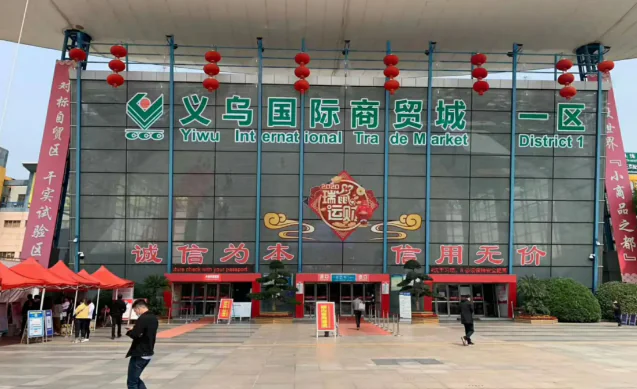
1. Yiwu International Trade City
Location: Yiwu City, Zhejiang Province
Main Categories: Small commodities, toys, jewelry, stationery, clothing accessories, household goods
Market Overview: Yiwu International Trade City is recognized by the United Nations, Morgan Stanley, and the World Bank as the “World’s Largest Small Commodities Wholesale Market.” Covering over 4 million square meters with more than 75,000 booths, the market showcases over 400,000 products from 100,000+ suppliers across 40 industries.
Five District Breakdown:
- District 1: Toys, artificial flowers, jewelry, accessories, hair ornaments, festival crafts
- District 2: Bags, luggage, hardware tools, accessories, small appliances, watches
- District 3: Stationery, office supplies, sports equipment, cosmetics, eyewear
- District 4: Socks, hats, gloves, scarves, neckties, fashion accessories
- District 5: Imported products, bedding, fabrics, automotive accessories, knitwear
Why Choose Yiwu: As the world’s most comprehensive small commodities market, Yiwu offers unparalleled product diversity at the lowest prices. The market serves buyers from over 210 countries and is ideal for businesses looking to source multiple product categories in one location. If you’re planning your first visit to Yiwu, consider using a professional Yiwu sourcing agent to efficiently navigate this massive marketplace.
Practical Tips:
- Allocate at least 3-5 days to explore the market thoroughly
- Use the official Yiwu Market app for navigation
- Most suppliers speak basic English
- Minimum order quantities (MOQs) are generally flexible
- Check out our complete Yiwu Wholesale Market Guide for detailed navigation tips
Best Time to Visit: March-May and September-November (avoid Chinese New Year period)
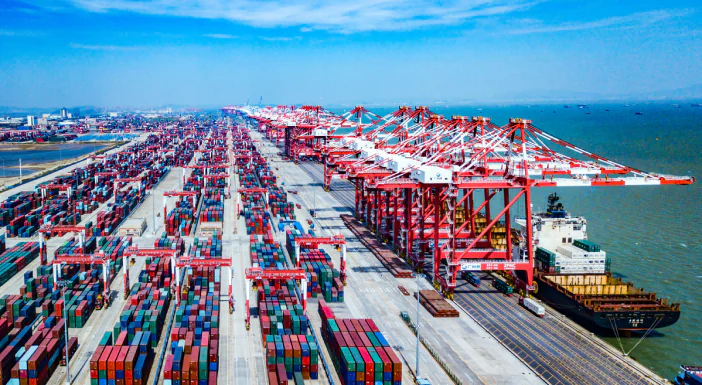
2. Guangzhou Wholesale Markets
Location: Guangzhou City, Guangdong Province
Main Categories: Apparel, textiles, leather goods, electronics, toys, home decor
Market Overview: Guangzhou is China’s southern fashion and textile capital, featuring dozens of specialized wholesale markets clustered in distinct commercial districts. The city’s strategic location near manufacturing hubs makes it ideal for accessing factory-direct pricing and the latest fashion trends.
Key Market Clusters:
Fashion & Apparel District:
- Shahe Clothes Wholesale Market: Trendy women’s and children’s clothing, known for fast fashion at competitive prices
- Shisanhang Clothing Market: Mid to high-end women’s fashion, favored by boutique owners and online retailers
- Guangzhou Railway Station Market: Budget-friendly ready-made garments and accessories
- Baima Clothing Market: Premium fashion, business attire, and designer-inspired pieces
Leather & Bags District:
- Sanyuanli Leather Market: High-quality leather bags, wallets, belts, and accessories
- Guangzhou Leather City: Comprehensive leather product selection with both wholesale and customization options
Textile & Fabric District:
- Guangzhou International Textile City: Asia’s largest fabric trading center with extensive selection for designers and manufacturers
- Zhongda Fabric Market: Known for quality fabrics at reasonable prices
Electronics & Toys:
- Guangzhou Electronics Market: Consumer electronics and accessories
- Yide Road Toy Market: One of China’s largest toy wholesale hubs
Why Choose Guangzhou: The city offers direct access to Guangdong Province’s vast manufacturing base, meaning you can often visit factories within a 1-2 hour drive. For businesses looking to source fashion and textiles with customization options, Guangzhou is unmatched.
Practical Tips:
- Markets are spread across the city; plan your route in advance
- Many suppliers offer ODM/OEM services for branding
- Sample fees are typically refundable with bulk orders
- Language barriers can be significant; consider hiring an interpreter
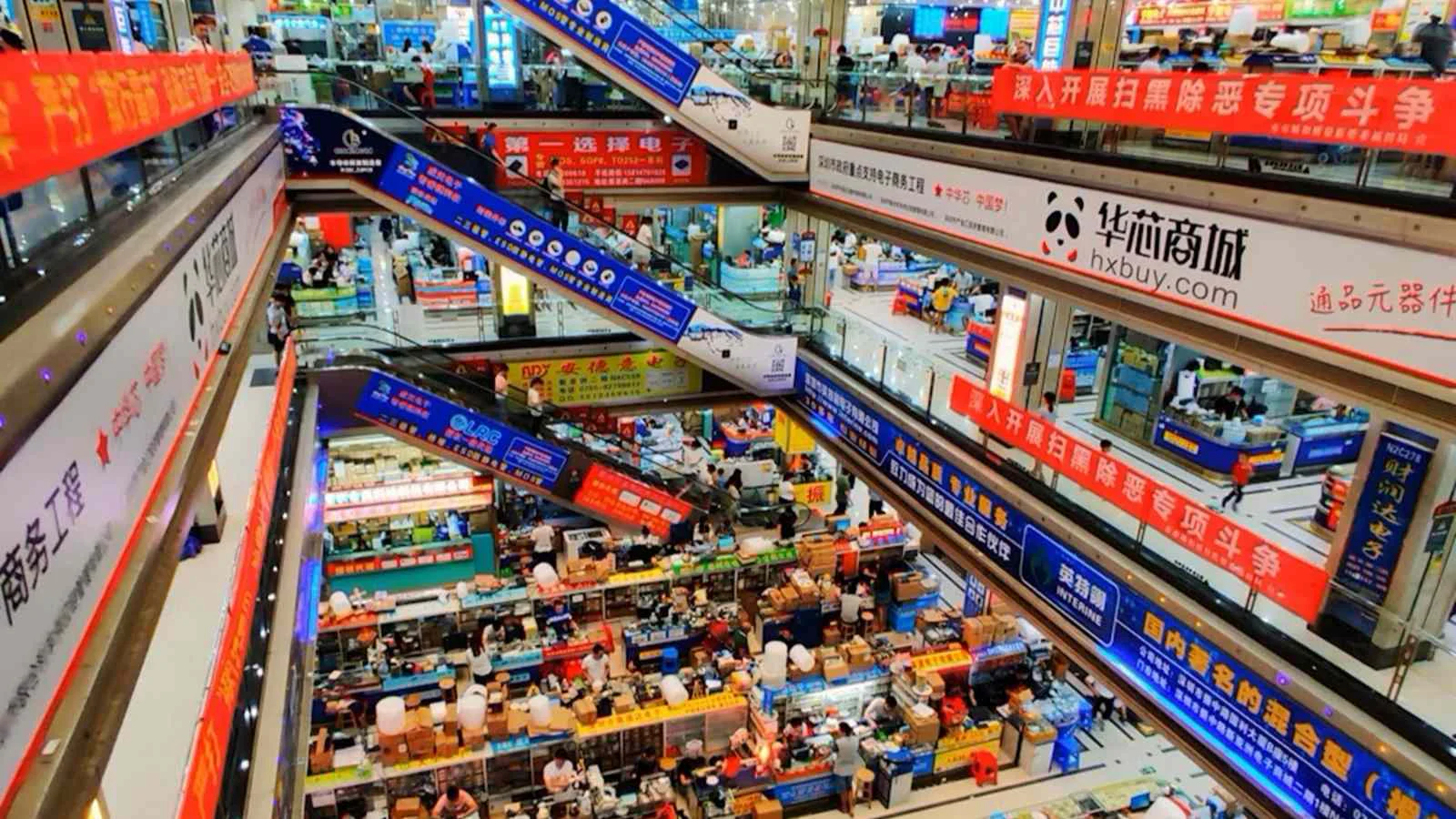
3. Shenzhen Huaqiangbei Electronics Market
Location: Futian District, Shenzhen, Guangdong Province
Main Categories: Electronics, components, smartphones, gadgets, consumer electronics, LED products
Market Overview: Known as the “Silicon Valley of Hardware,” Huaqiangbei is the world’s largest electronics market, comprising over 10 multi-story buildings filled with vendors selling everything from smartphone components to finished consumer electronics. The market is a paradise for tech entrepreneurs, hardware developers, and electronics importers.
What You Can Find:
- Smartphones, tablets, and accessories
- Electronic components (chips, resistors, capacitors, sensors)
- LED products and lighting
- Drones and robotics
- Smart home devices
- Audio equipment and speakers
- Security cameras and surveillance systems
- Computer parts and accessories
Adjacent Markets:
- SEG Electronics Market: Specializes in electronic components and parts for manufacturers and DIY enthusiasts
- Mingtong Digital Mall: Focuses on mobile phones and accessories
- Yuanwang Digital Mall: Computer peripherals and networking equipment
Recommend Resding: Huaqiangbei Electronics Market: Complete Guide & Must-Buy Products
Why Choose Shenzhen: Shenzhen’s electronics markets offer direct access to China’s tech manufacturing ecosystem. You can find the latest innovations, prototypes, and competitive pricing that’s hard to beat anywhere else. The city’s proximity to component manufacturers also means shorter lead times for customization. If you’re sourcing electronics, working with a Shenzhen sourcing specialist can help you navigate quality control and identify reliable suppliers.
Practical Tips:
- Verify product authenticity carefully, especially for branded items
- Request technical specifications and certifications
- Bring a tech-savvy person if you’re not familiar with electronics
- Prices are highly negotiable, especially for bulk orders
- Many vendors can arrange customization and private labeling
Quality Considerations: Electronics require careful quality inspection. Consider implementing a comprehensive quality control process before shipment.
4. Shanghai South Market
Location: Shanghai
Main Categories: Clothing, accessories, footwear, fashion items
Market Overview: Shanghai South Market (also known as Shanghai South Bund Fabric Market) is a major wholesale hub for fashion apparel and accessories. As China’s most international city, Shanghai’s markets tend to offer higher quality products that meet international standards, making them ideal for buyers targeting premium markets.
Market Features:
- Multi-story complex with thousands of vendors
- Focus on quality over quantity
- Many vendors have experience with international trade
- Strong emphasis on contemporary fashion and style
- Good mix of wholesale and customization services
Nearby Markets:
- Qipu Road Clothing Market: Budget to mid-range fashion
- Seven Pudong Textile Market: Fabric wholesale
- Shanghai Fashion & Accessories Plaza: Premium accessories
Why Choose Shanghai: Shanghai markets bridge the gap between domestic and international standards. Suppliers here are often more experienced with export requirements, quality standards, and international communication. This makes Shanghai an excellent choice for businesses prioritizing quality and reliability.
Practical Tips:
- Expect slightly higher prices than Guangzhou or Yiwu
- Quality is generally more consistent
- Better English proficiency among vendors
- Ideal for testing products before larger commitments
5. Hangzhou Silk Market
Location: Hangzhou, Zhejiang Province
Main Categories: Silk products, clothing, textiles, home goods, bedding
Market Overview: Hangzhou has been synonymous with silk production for over 2,000 years. The city’s silk markets offer authentic, high-quality silk products ranging from traditional Chinese garments to modern fashion items and home textiles. This is the premier destination for buyers seeking luxury fabrics and silk-based products.
Major Silk Markets:
- China Silk City: The largest and most comprehensive silk market in Hangzhou
- Hangzhou Silk Market: Traditional silk products and fabrics
- Sijiqing Clothing Market: Fashion apparel with silk options
Product Range:
- Pure silk fabrics (various weaves and patterns)
- Silk scarves and shawls
- Silk bedding and home textiles
- Traditional Chinese silk garments (qipao, cheongsam)
- Silk ties and accessories
- Embroidered silk products
Why Choose Hangzhou: For businesses in the luxury, fashion, or home textile sectors, Hangzhou offers direct access to China’s finest silk production. The quality and authenticity of Hangzhou silk is unmatched, making it worth the premium price point.
Practical Tips:
- Learn to distinguish real silk from synthetic alternatives
- Request fabric composition certificates
- Minimum orders may be higher than other markets
- Consider visiting during the China International Silk Expo (typically in March)
6. Keqiao Textile Market
Location: Shaoxing, Zhejiang Province (near Hangzhou)
Main Categories: Fabrics, yarns, finished textiles, home textiles
Market Overview: Keqiao is Asia’s largest textile trading center and the global hub for fabric wholesale. The market hosts over 5,000 textile companies and offers an unparalleled selection of fabrics from basic cotton to technical textiles. It’s the go-to destination for fashion designers, garment manufacturers, and home textile businesses.
Market Zones:
- China Textile City: Main wholesale center with multiple districts
- Keqiao Textile Market: Specialized in various fabric types
- China Lightweight Textile City: Home textiles and finished goods
Fabric Categories:
- Cotton and cotton blends
- Polyester and synthetic fabrics
- Wool and wool blends
- Technical and functional fabrics
- Decorative and upholstery fabrics
- Knitted and woven textiles
Annual Events:
- Keqiao International Textile Expo: Major industry event attracting global buyers (typically October)
- China Textile Innovation Conference: Showcasing latest textile technologies
Why Choose Keqiao: For businesses in garment manufacturing or home textiles, Keqiao provides access to the most comprehensive fabric selection in Asia. You can source everything from basic fabrics to specialized technical textiles in one location.
Practical Tips:
- Order fabric samples before committing to large quantities
- Understand minimum order quantities per color/pattern
- Ask about fabric properties (shrinkage, colorfastness, weight)
- Many suppliers offer custom dyeing and printing services
7. Dongguan Wanjiang Industrial Raw Material Market
Location: Dongguan, Guangdong Province
Main Categories: Industrial raw materials, metals, plastics, chemicals, furniture components
Market Overview: Dongguan is a major manufacturing hub known as the “Factory of the World.” The Wanjiang Industrial Raw Material Market serves manufacturers by providing access to industrial materials, components, and semi-finished goods. This market is primarily B2B focused, catering to factory buyers rather than retail resellers.
Key Product Categories:
- Industrial plastics and resins
- Metals and alloys
- Chemical materials
- Electronic components
- Furniture hardware and components
- Packaging materials
- Manufacturing equipment
Additional Dongguan Markets:
- Houjie Furniture Market: One of China’s largest furniture wholesale centers
- Humen Clothing Market: Fashion apparel and fabrics
- Nancheng Electronics Market: Consumer electronics
Why Choose Dongguan: For businesses engaged in manufacturing or looking for B2B partnerships, Dongguan provides direct access to raw materials and manufacturing resources. The city’s concentration of factories also makes it easy to visit potential manufacturing partners.
Practical Tips:
- This market is best suited for businesses with manufacturing needs
- Technical knowledge is essential for sourcing raw materials
- Strong relationships are important; consider long-term partnerships
- Quality standards vary; thorough testing is crucial
8. Chengdu Jinfu Wholesale Market
Location: Chengdu, Sichuan Province
Main Categories: Clothing, household goods, electronics, accessories
Market Overview: As the commercial hub of western China, Chengdu’s Jinfu Wholesale Market serves as the gateway to inland Chinese markets. While smaller than coastal wholesale centers, Chengdu offers competitive prices and is strategically positioned to distribute goods throughout western China.
Market Characteristics:
- Lower operating costs translate to competitive pricing
- Strong focus on domestic Chinese consumption trends
- Growing international buyer presence
- Convenient access to Belt and Road trade routes
Why Choose Chengdu: For businesses looking to tap into China’s growing inland markets or seeking alternative sourcing locations with lower costs, Chengdu presents excellent opportunities. The city is also developing as a logistics hub for trade with Central Asia and Europe.
Practical Tips:
- International export experience may be less common; verify capabilities
- Smaller language barrier compared to coastal cities
- Good option for testing new product categories
- Consider as a secondary sourcing location
9. Nanjing Fuzimiao International Market
Location: Nanjing, Jiangsu Province
Main Categories: Antiques, traditional crafts, art, cultural products, collectibles
Market Overview: Located in a historic area of Nanjing, Fuzimiao Market specializes in high-value cultural items including antiques, traditional Chinese crafts, calligraphy, paintings, and collectibles. This market caters to niche buyers interested in authentic Chinese cultural products.
Categorias de produtos:
- Chinese antiques and antiquities
- Traditional handicrafts
- Calligraphy and paintings
- Jade and gemstone jewelry
- Traditional musical instruments
- Cultural souvenirs
- Vintage items
Why Choose Nanjing: For businesses in the art, antiques, or cultural products sector, Nanjing offers access to authentic Chinese items with historical and cultural value. The market is ideal for boutique stores, museums, collectors, and businesses specializing in unique cultural products.
Important Considerations:
- Authenticity verification is crucial for antiques
- Export restrictions apply to certain cultural items
- Expertise in Chinese art and culture is beneficial
- Prices can be highly negotiable
- Understand customs regulations for cultural products
10. Qingping Medicine Market
Location: Guangzhou, Guangdong Province
Main Categories: Traditional Chinese medicine (TCM), herbs, medicinal materials
Market Overview: Qingping Medicine Market is one of China’s oldest and most respected traditional Chinese medicine markets. It serves as a major trading center for TCM products, herbs, and medicinal materials, supplying both domestic and international buyers.
Product Range:
- Traditional Chinese medicinal herbs
- Dried herbs and roots
- TCM formulations and preparations
- Ginseng and premium medicinal materials
- Health supplements
- TCM equipment and tools
Why Choose Qingping: For businesses in the health, wellness, or alternative medicine sectors, Qingping provides access to authentic TCM products from reputable sources. The market’s long history and reputation make it a trusted sourcing destination.
Critical Considerations:
- Extensive regulations govern TCM export; research thoroughly
- Quality certification and testing are essential
- Expert knowledge of TCM is highly recommended
- Some products may be restricted in your destination country
- Work with licensed exporters familiar with international regulations
How to Choose the Right Wholesale Market for Your Business
Selecting the optimal wholesale market is crucial for sourcing success. Follow these strategic steps:
1. Define Your Product Niche
Clearly identify your product categories and specifications. Each market specializes in different product types, so understanding your needs helps narrow your options.
2. Consider Market Specialization
Match your products to markets with relevant specializations:
- Eletrônicos: Shenzhen
- Fashion & Textiles: Guangzhou, Keqiao
- Small Commodities: Yiwu
- Premium Products: Shanghai
- Silk & Luxury Fabrics: Hangzhou
3. Evaluate Geographic Logistics
Consider proximity to:
- Manufacturing centers for custom products
- Major ports for shipping efficiency (Guangzhou/Shenzhen → Hong Kong/Shenzhen ports)
- Your business location if planning frequent visits
4. Assess Supplier Sophistication
Different markets offer varying levels of export experience:
- High export experience: Yiwu, Guangzhou, Shenzhen
- Developing export capabilities: Chengdu, Dongguan
- Specialized expertise: Hangzhou (silk), Qingping (TCM)
5. Budget Considerations
Market selection affects your costs:
- Most competitive pricing: Yiwu, Dongguan
- Mid-range: Guangzhou, Keqiao
- Premium pricing: Shanghai, Hangzhou
6. Quality Requirements
Match quality expectations to market positioning:
- Volume over premium quality: Yiwu, Chengdu
- Balance of quality and price: Guangzhou, Shenzhen
- Premium quality focus: Shanghai, Hangzhou
7. Minimum Order Quantities (MOQs)
Consider your initial order capacity:
- Flexible MOQs: Yiwu (famous for accepting small orders)
- Standard MOQs: Guangzhou, Shenzhen
- Higher MOQs: Keqiao, Hangzhou (specialty products)
Essential Tips for Wholesale Market Sourcing Success
Before Your Visit
Research and Planning:
- Develop a detailed product list with specifications
- Research typical price ranges online
- Create a supplier evaluation checklist
- Schedule your visit during market peak hours (Tuesday-Friday)
- Book accommodation near your target markets
- Consider hiring a professional China sourcing agent for first-time visits
Documentation Preparation:
- Business cards (Chinese and English)
- Company introduction materials
- Product samples or specifications
- Clear purchase requirements
During Your Visit
Effective Negotiation:
- Visit multiple suppliers to compare prices and quality
- Don’t commit immediately; take time to evaluate
- Ask about volume discounts and payment terms
- Request product samples before bulk orders
- Clarify MOQs, lead times, and customization options
Avaliação da qualidade:
- Inspect samples thoroughly
- Ask about materials, manufacturing processes, and certifications
- Request product testing reports
- Understand the supplier’s quality control procedures
- Consider arranging third-party quality inspections
Building Relationships:
- Maintain professional and respectful communication
- Show genuine interest in long-term partnerships
- Be clear about your business requirements
- Exchange contact information (WeChat is essential)
- Follow up promptly after your visit
After Your Visit
Supplier Verification:
- Verify business licenses and certifications
- Check supplier references if possible
- Start with smaller test orders
- Evaluate delivery reliability and communication
Order Management:
- Confirm all specifications in writing
- Use secure payment methods (Letters of Credit for large orders)
- Arrange pre-shipment inspections
- Understand shipping and customs procedures
Online Alternatives to Physical Markets
While visiting physical markets offers the best hands-on experience, online B2B platforms provide convenient access to China’s supplier network:
Major Online Wholesale Platforms
Alibaba.com:
- The world’s largest B2B platform
- Verified supplier ratings and trade assurance
- Ideal for large-volume international orders
- Extensive product categories
- Learn more about sourcing on Alibaba
1688.com:
- Alibaba’s domestic Chinese platform
- Factory-direct pricing (often 30-50% lower than Alibaba.com)
- Requires Chinese language skills or local agent
- Best for buyers with China-based logistics partners
DHgate:
- Suitable for small businesses and startups
- Lower MOQs than Alibaba
- User-friendly interface
- Built-in buyer protection
Yiwugo.com:
- Official online platform for Yiwu market
- Direct access to Yiwu suppliers
- Suitable for small commodity sourcing
Global Sources:
- Strong supplier verification process
- Excellent for electronics and gifts
- Premium supplier quality
- Higher price points
Combining Online and Offline Sourcing
The most effective strategy combines online research with physical market visits:
- Use online platforms for initial supplier discovery
- Narrow down to qualified candidates
- Visit physical markets to verify quality and negotiate terms
- Build relationships through in-person meetings
- Manage ongoing orders through online platforms
Shipping and Logistics Considerations
Once you’ve sourced your products, efficient shipping is critical:
Shipping Options
Air Freight:
- Fastest option (5-10 days)
- Most expensive per kilogram
- Best for small, high-value items or urgent orders
Sea Freight:
- Most cost-effective for large volumes
- Longer transit time (20-40 days)
- Requires understanding of FCL/LCL options
Express Courier:
- Door-to-door service
- Suitable for samples or small quantities
- Higher costs but maximum convenience
Railway Freight (China-Europe):
- Emerging option for overland shipping
- Balance between air and sea freight in cost and time
- Growing infrastructure under Belt and Road Initiative
For detailed guidance on shipping from China, including cost comparisons and customs procedures, explore China shipping solutions.
Working with China Sourcing Agents
For many businesses, especially first-time importers, working with a professional sourcing agent can dramatically improve success rates:
Benefits of Using Sourcing Agents
Market Navigation:
- Expert knowledge of wholesale markets
- Efficient supplier identification
- Time-saving market tours
Communication:
- Overcome language barriers
- Cultural mediation
- Clear specification translation
Controle de qualidade:
- Pre-shipment inspections
- Factory audits
- Product testing coordination
Negociação:
- Local market price knowledge
- Better negotiation leverage
- Payment term optimization
Logistics Support:
- Shipping arrangement
- Customs documentation
- Consolidation services
Consider partnering with experienced China sourcing professionals who can guide you through the entire procurement process, from supplier selection to final delivery.
Common Pitfalls to Avoid
Quality Issues
- Problem: Receiving substandard products
- Solution: Always inspect samples, arrange pre-shipment inspections, and start with small test orders
Communication Breakdowns
- Problem: Misunderstandings about specifications or requirements
- Solution: Use detailed written specifications, visual references, and confirm understanding at each step
Payment Scams
- Problem: Losing money to fraudulent suppliers
- Solution: Use secure payment methods, verify supplier credentials, and never pay 100% upfront
Intellectual Property Risks
- Problem: Your designs being copied or shared
- Solution: Use NDAs, work with reputable suppliers, and consider trademark registration in China
Unrealistic Expectations
- Problem: Expecting impossibly low prices or quick turnarounds
- Solution: Research realistic pricing, understand production timelines, and factor in quality costs
Ignoring Certifications
- Problem: Products failing to meet destination country regulations
- Solution: Verify required certifications (CE, FCC, FDA, etc.) before ordering
Conclusão
China’s wholesale markets offer unparalleled opportunities for businesses seeking competitive pricing, vast product selection, and direct factory access. Whether you’re sourcing small commodities from Yiwu, fashion items from Guangzhou, electronics from Shenzhen, or specialized products from niche markets, success requires careful planning, market knowledge, and strategic supplier relationships.
By understanding the unique characteristics of each major wholesale market, preparing thoroughly for your sourcing trips, and potentially partnering with experienced local agents, you can navigate China’s complex wholesale ecosystem effectively and build a profitable sourcing strategy.
Remember that successful sourcing is not just about finding the lowest prices—it’s about finding reliable suppliers who can consistently deliver quality products, meet your specifications, and grow with your business over time.
For personalized sourcing assistance, quality inspection services, or help navigating any of these wholesale markets, Sellers Union China provides comprehensive support throughout your China sourcing journey.
Ready to start sourcing from China’s wholesale markets? Contact our team for expert guidance and support tailored to your specific business needs.

Ivy is a Sourcing Specialist at Sellers Union. She shares hands-on experience in supplier selection, quality control, and market trends to help global wholesalers make informed decisions. Her goal is to simplify the sourcing process and help brands build efficient supply chains in the industry.